
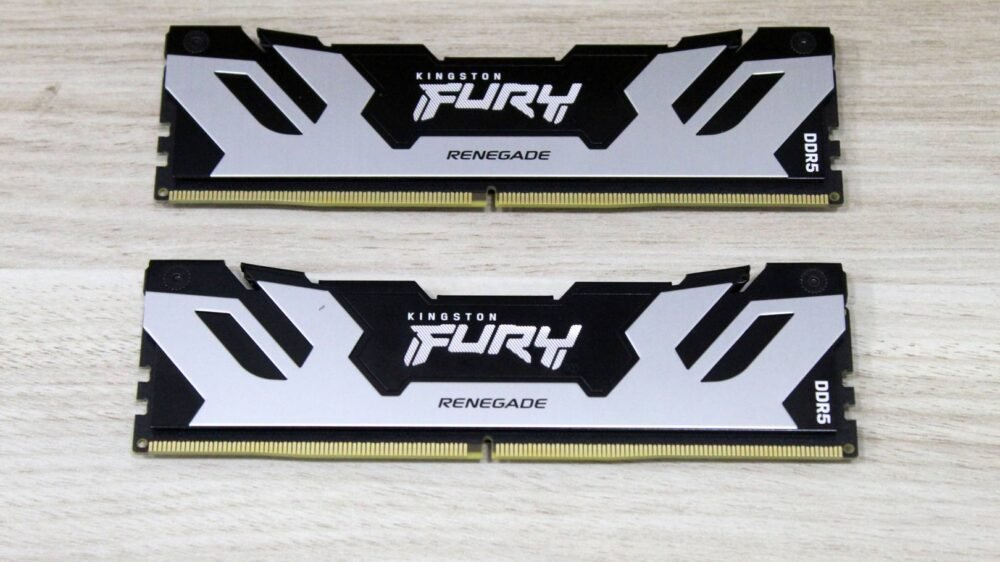
Review – Kingston Fury Renegade DDR5 8000CL38 – Hynix A-Die – Unleashing the Fury of High-Speed Memory!
 by Giancarlo C. Dalmedico "NoMS" December 5, 2023 · DRAM Memory / Reviews
In this review, we will be examining a Kingston DDR5 memory kit from the Fury Renegade series, featuring models ranging from 6000 to 8000 MT/s. These modules come in sizes of 16, 24, 32, or 48 GB and can be purchased individually or in kits of 32 GB, 48 GB, 64 GB, or 96 GB. The specific product under analysis is a 32 GB kit comprising two 16 GB modules with a speed of 8000 MT/s, timings of 38-48-48-80, and an operating voltage of 1.45V.
The memory modules come packaged in a rectangular box featuring an illustration of the product, the manufacturer’s logo, and model information. On the back, once again, there is an emphasis on the model, accompanied by a label detailing its specifications. The model code for this particular set is KF580C38RSK2-32.


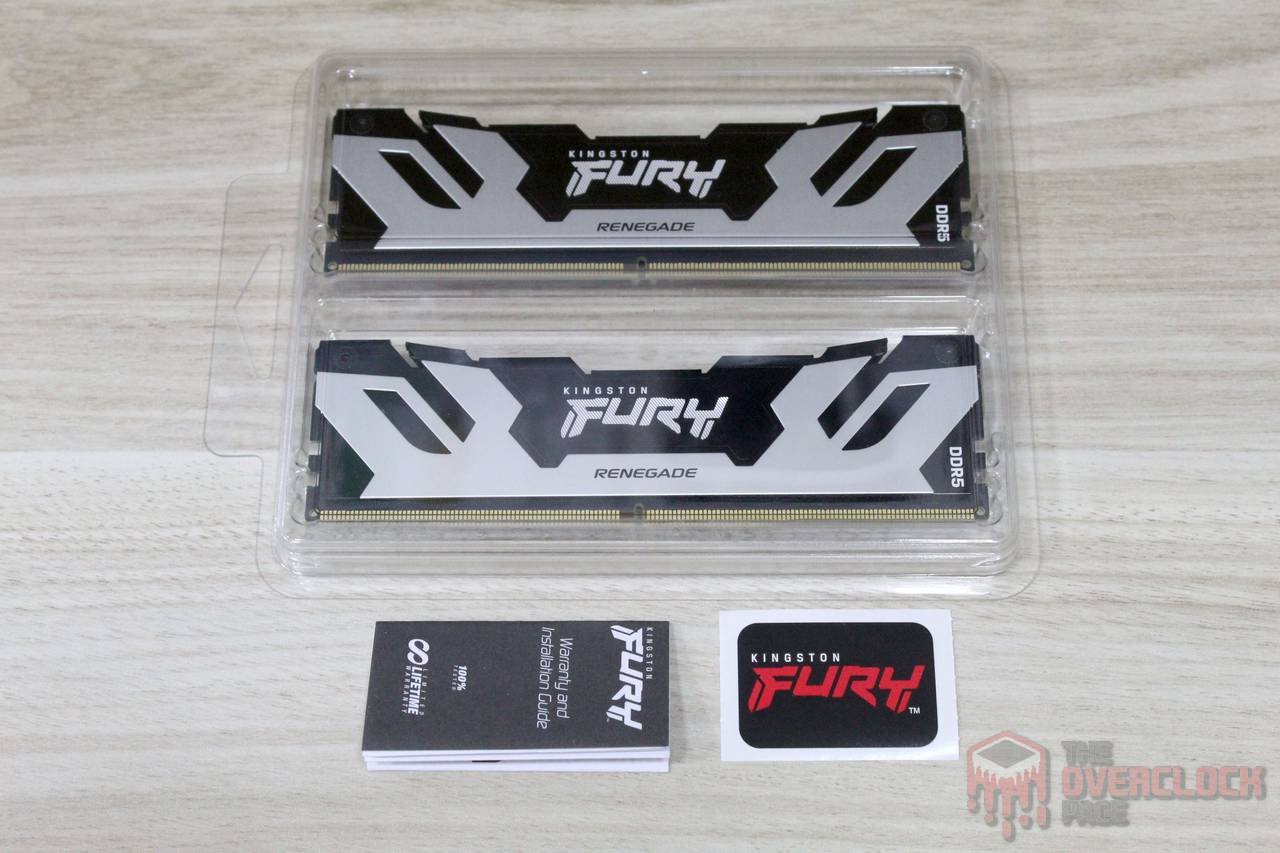
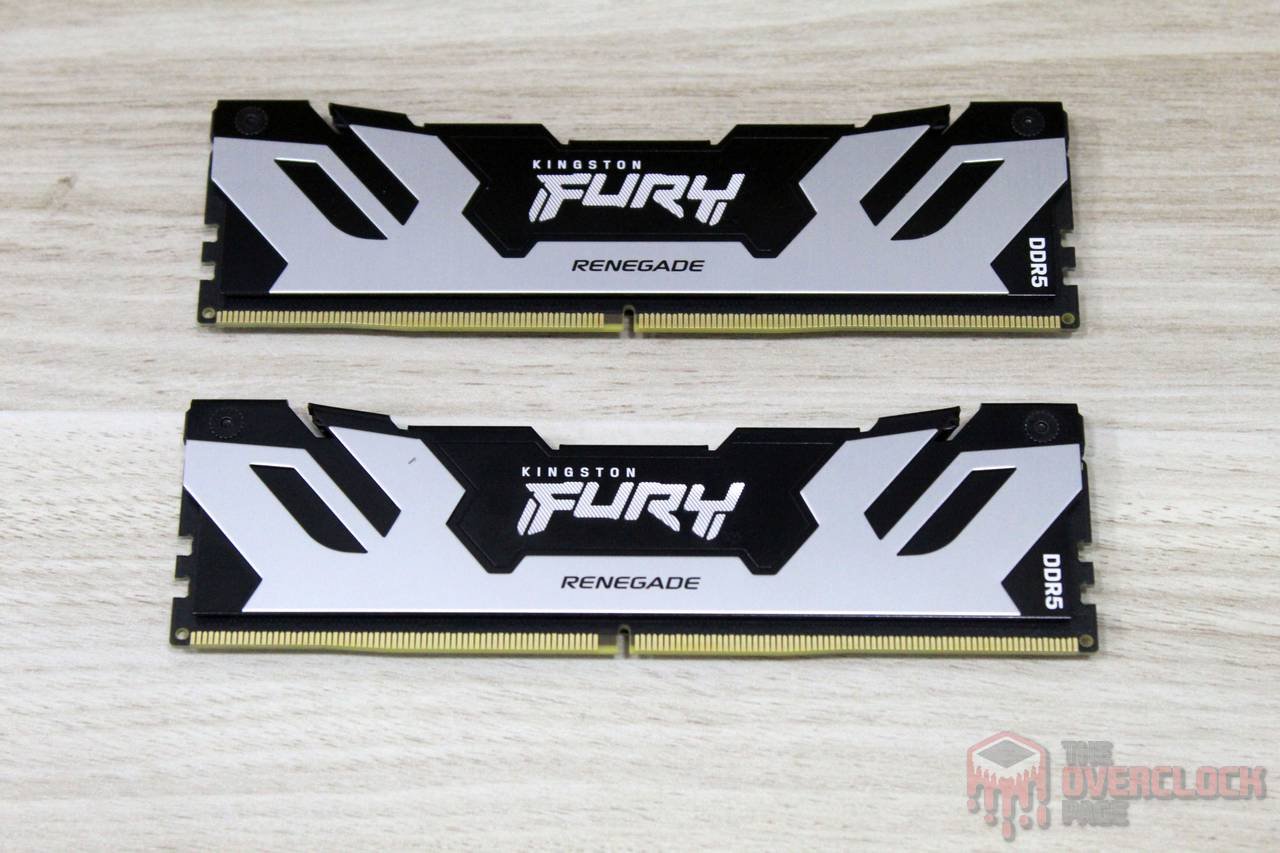
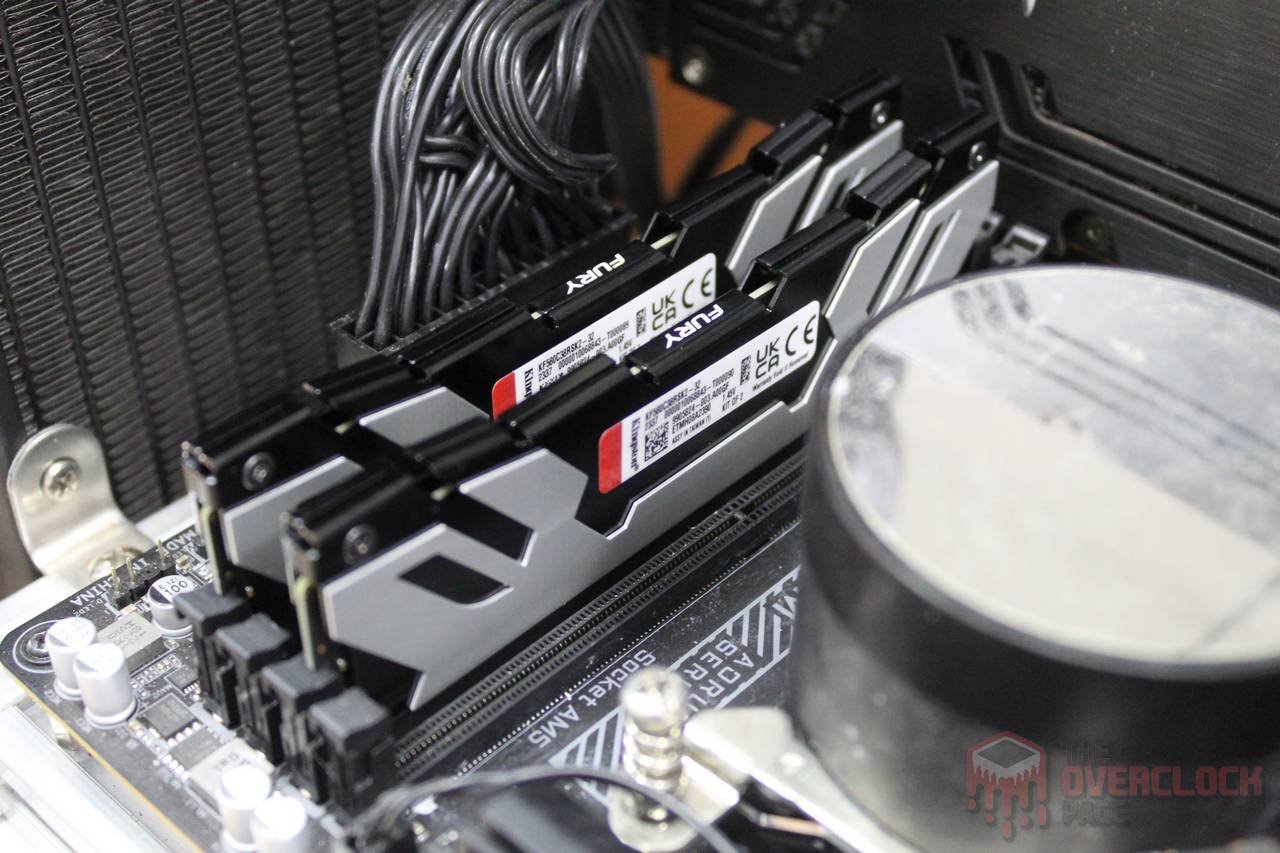
Regarding the heat dissipation, for this series, Kingston has chosen an aluminum heatsink with parts connected by two screws. It features thermal pads on both the memory chips and the PMIC, which is excellent for effective heat management.
The unit tested does not feature any kind of lighting. However, there are also models with the same specifications in the Fury Renegade RGB line. As the name suggests, this variant includes RGB lighting for those seeking a visually enhanced experience.
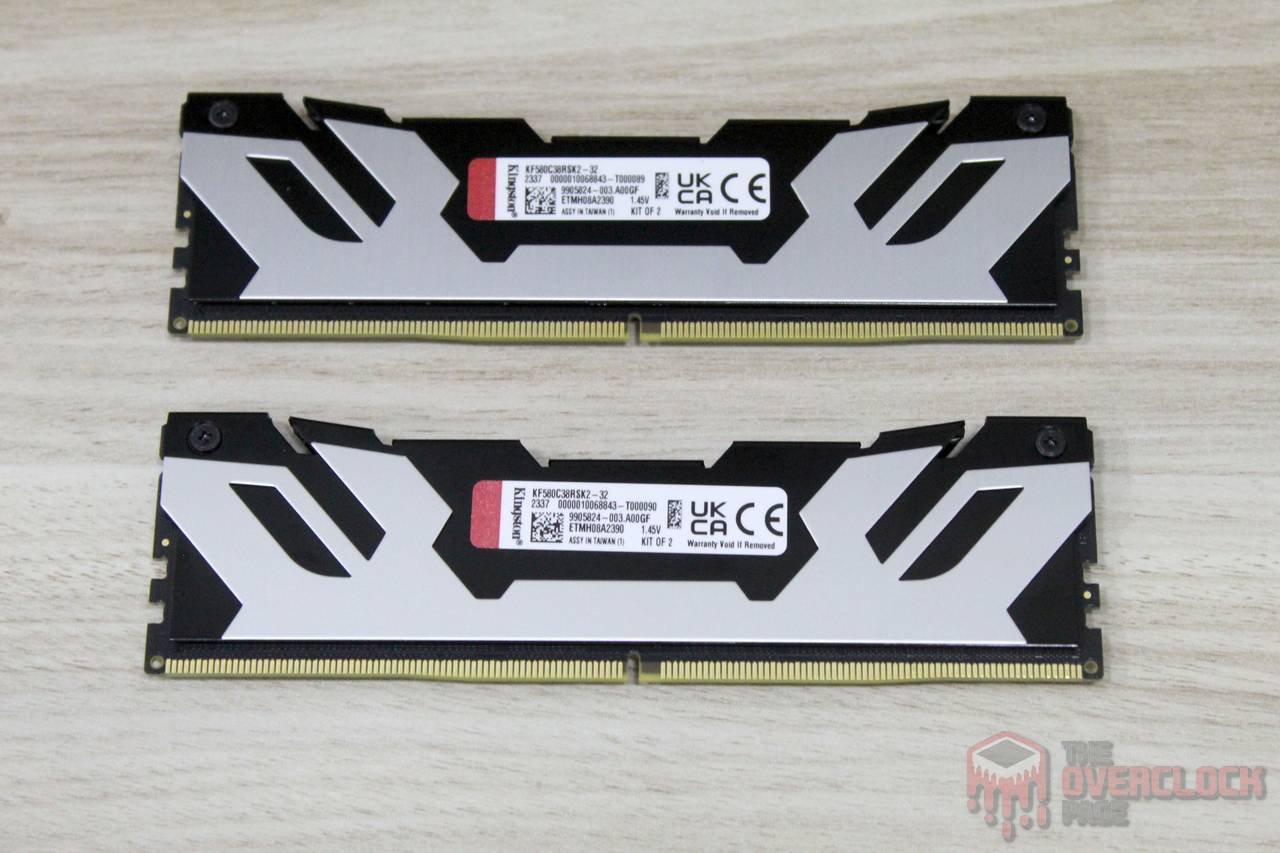
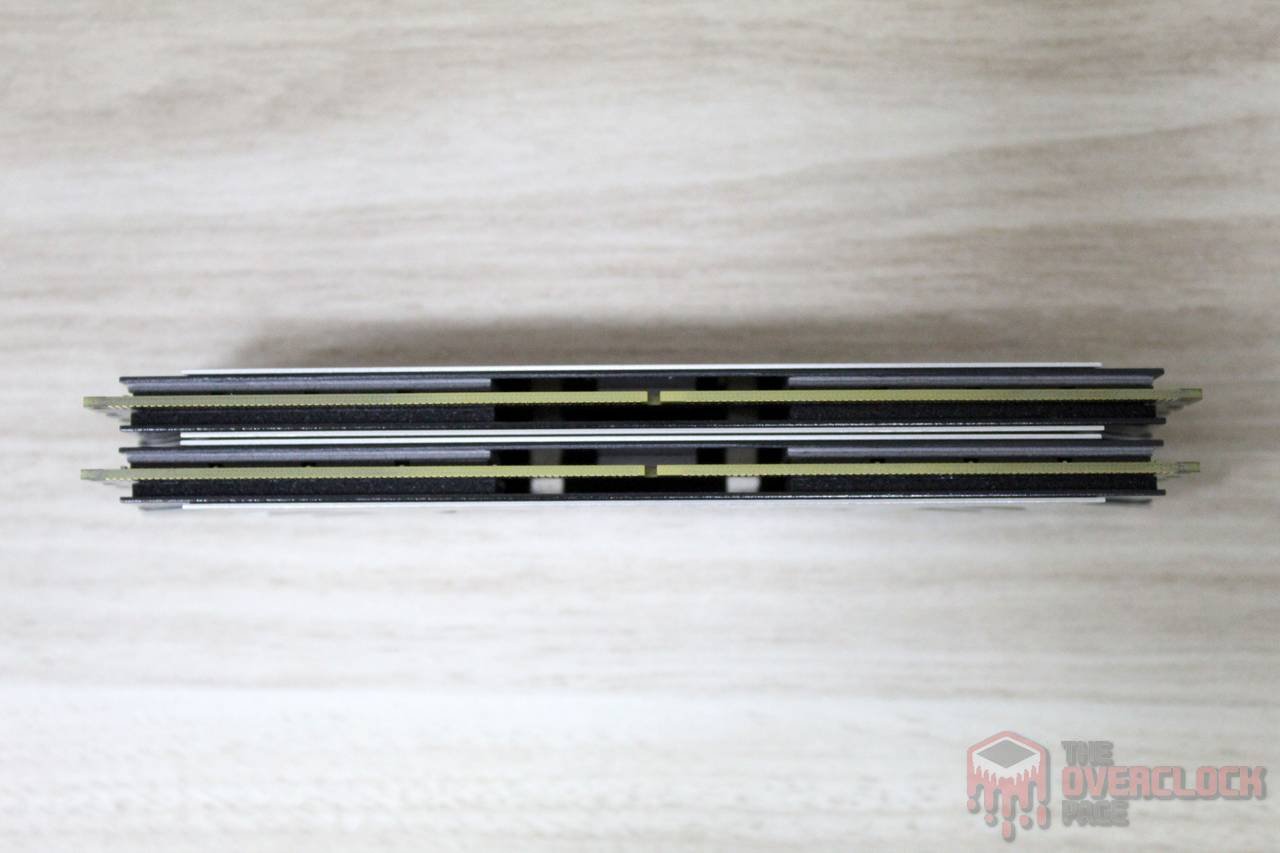
Concerning the chips, for these specifications, they could only be the “renowned” SK Hynix A-Die. These are second-generation dies from the Korean manufacturer with a density of 16 Gb.
While they share the “Hynix A-Die” classification, it’s essential to note that not all kits using these chips are equal in terms of quality and overclocking capability. After all, there are variations in the “bin” of the chips. Nevertheless, being a kit with 8000 MT/s and CL38, it inherently suggests that the chips used should be of at least respectable quality.
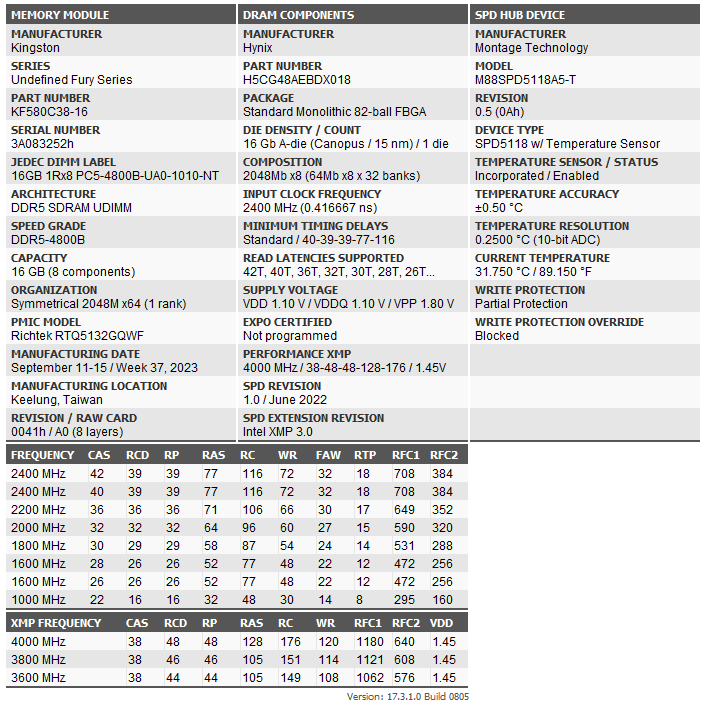
Concerning the PMIC (Power Management Integrated Circuit), responsible for supplying power to the memory module, Kingston has opted for a Richtek unit compatible with the “High Voltage Mode.” In this specific case, it’s worth noting that this is an obvious choice, given that the standard VDD/VDDQ for these memories is 1.45V.
Hardware used:
CPU: AMD Ryzen 7 7700X (Thanks AMD!)
MOBO: GIGABYTE B650M Aorus Elite AX (UEFI F8a)
RAM: 2x16GB Kingston Fury Renegade 8000CL38 1.45V – KF580C38RSK2-32 – (Thanks Kingston!)
GPU: Powercolor RX 6800 XT Red Devil 16 GB
PSU: Coolermaster MWE 1250 Gold V2
COOLER: 1STPlayer TS-360
SSD: Goldenfir 256GB NVMe
Software: Windows 10 x64, TM5 0.12 1usmus, Geekbench 3.4.4, y-cruncher 1b, Cyberpuno 2077 v2.0, Shadow of the Tomb Raider, Horizon: Zero Dawn.
Objective and testing methodology:
To discover the daily usage limit of Kingston memory modules with the Ryzen 7 7700X, taking advantage of the new AGESA 1007b, which allows for better exploration of memory capabilities. To enhance the clarity of the results, they have been divided into two groups:
XMP/EXPO: The goal here is to test if it’s possible to operate stably using the factory XMP profile and, if available, the EXPO profile. This eliminates the need for the traditional overclocking test under these conditions.
This shift was necessary due to the diminishing relevance of this “easy overclocking,” as most memories with EXPO profiles available on the market are still up to 6000 MT/s. This is close to the limit of Ryzen with a UCLK 1:1 ratio. For XMP profiles, if they exceed 6400 MT/s, some fine-tuning may be required to achieve stability. This aspect could change with future AGESA versions.
24/7 with Fine-Tuning: In this scenario, manual adjustments were made to all possible parameters to achieve the best possible results with daily usability. This involved pushing the limits of both 1:1 and 1:2 ratios.
In both cases 1 and 2, stability was assessed using TM5 0.12 1usmus. Performance was evaluated through Geekbench 3.4.4 and y-cruncher 1b to gain a better understanding of synthetic benchmarks. Additionally, Cyberpunk 2077 v2.0, Shadow of the Tomb Raider (SOTTR), and Horizon: Zero Dawn were employed to gauge gaming performance. For all games, the integrated benchmark tool was utilized at 1080p High settings with RT (Ray Tracing) deactivated.
For these tests, the CPU was locked at 5.3GHz with 1.25V, and the FCLK was set at 2166MHz, which is the maximum stable frequency for this particular unit. It’s important to note that with Ryzen 7000 “Raphael” processors, there is no longer the requirement to keep the FCLK operating at the same ratio as the memory clock. Therefore, before adjusting the memory clock, it is advisable to test the FCLK limit, which typically falls between 2000 and 2200 MHz.
Timings – AMD
- XMP / EXPO:
For this model, Kingston chose not to include an EXPO profile but instead provided three different XMP profiles: 7200, 7600, and 8000 MT/s. This decision was prudent since, contrary to popular belief, achieving 8000 MT/s is not a straightforward task on any currently available platform. This difficulty can arise due to variations in memory controller quality, motherboard limitations, or the need for more intricate adjustments.
With our test hardware, it was effortless to use the DDR5-7600 XMP profile by simply activating it. While it is possible to use DDR5-8000 by manually adjusting termination impedances and other parameters in “DDR Nitro Mode,” it’s important to note that the purpose of EXPO/XMP profiles is to keep things simple. Therefore, resorting to advanced adjustments in this context doesn’t align with the intended simplicity of these profiles.
Once again, it’s crucial to emphasize that this limitation is inherent to current platforms, not the memory itself. XMP handles only a limited range of timings and lacks signal adjustments. As we will see later on, these memories are capable of stable operation at 8000 MT/s with much more aggressive adjustments than the standard XMP settings.
- 24/7 with fine-tuning:
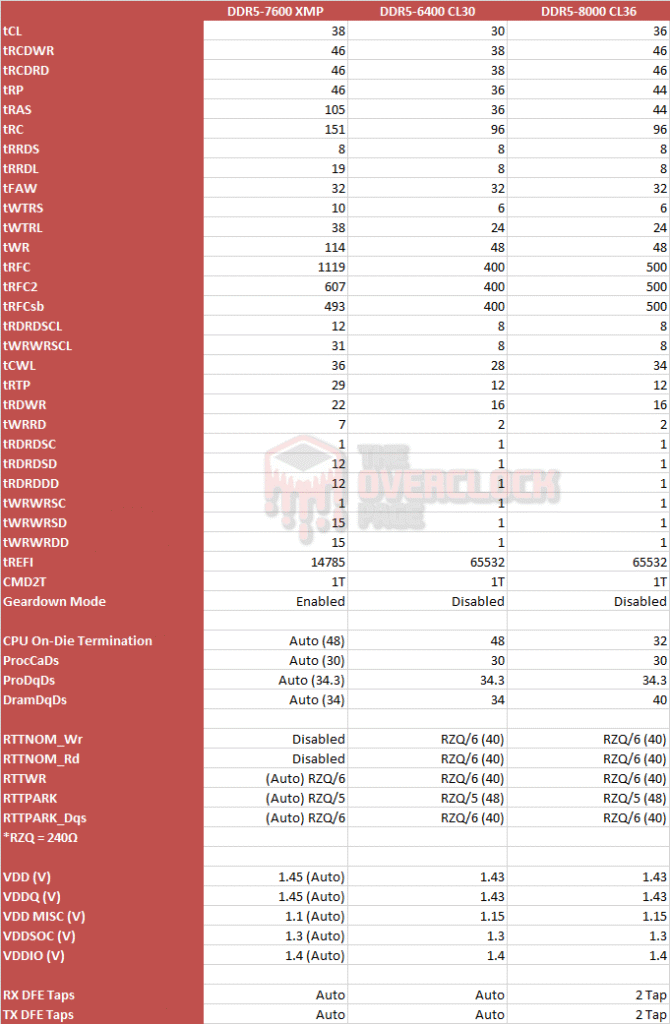
When fine-tuning, it was possible to significantly improve all timings while still staying within the 1.43V limit for VDD/VDDQ. This is below the standard 1.45V for these memories!
To achieve 6400 MT/s, there were no major complications; it simply required correct adjustments to timings to ensure stability. Parameters such as tRFC, tREFI, primary timings, and Geardown Mode tend to have the most significant impact on performance. It’s worth noting that not every Ryzen 7000 sample can operate stably at 6400 MT/s with a 1:1 ratio. In such cases, it is recommended to lower the frequency to 6200 MT/s while maintaining the same timings from the table above.
As mentioned earlier, these memories were capable of stable operation at 8000 MT/s after adjusting the specific signal parameters for the AM5 platform. Not only that, but it was possible to significantly tighten all timings, including primary ones. All of this was achieved with a voltage of only 1.43V on VDD/VDDQ, which is lower than the label specified by the manufacturer. This serves as a clear indication of the quality of the chips used since achieving 8000 CL36 at 1.43V is certainly not something every memory module can accomplish!
Benchmarks:
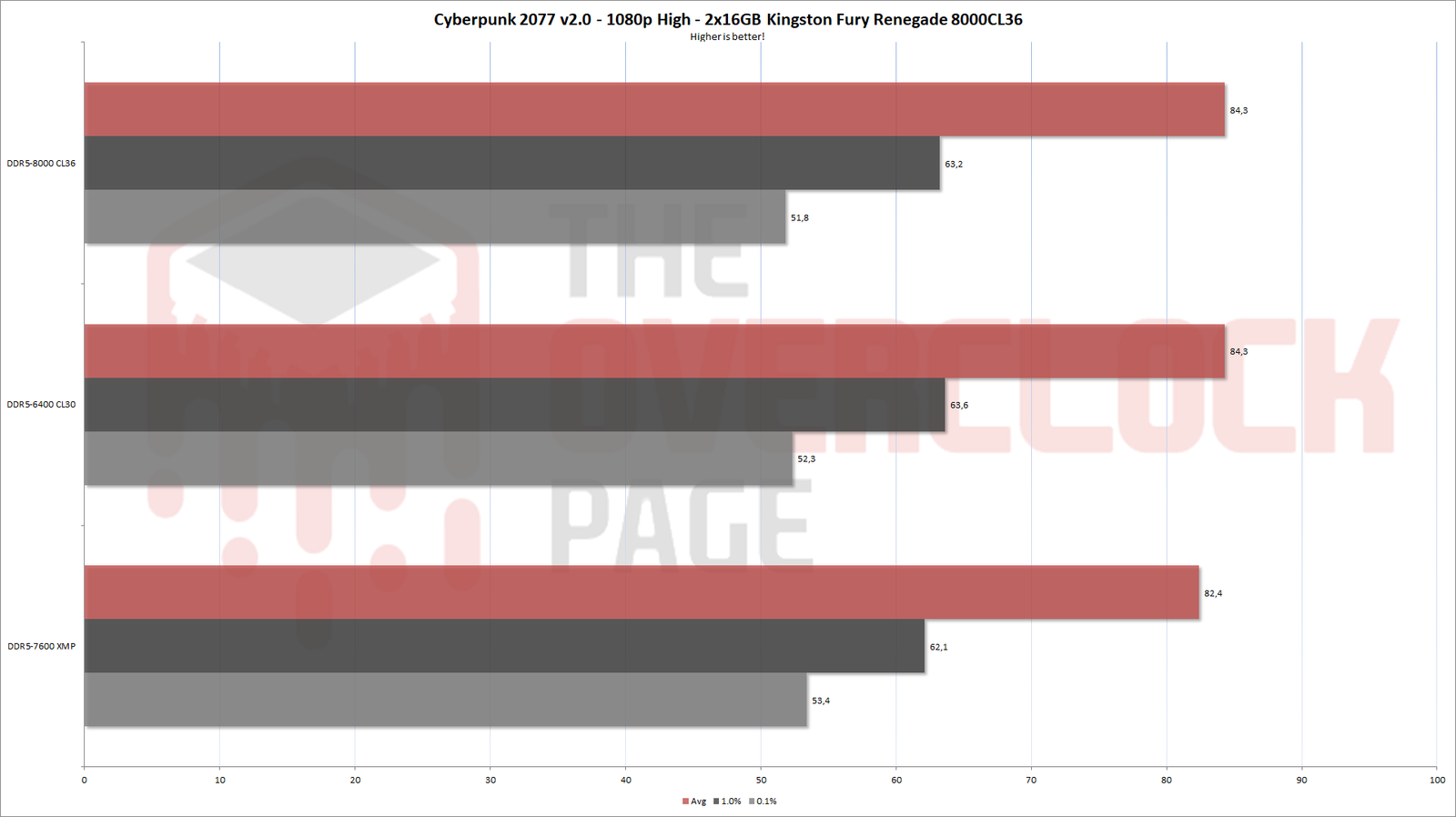
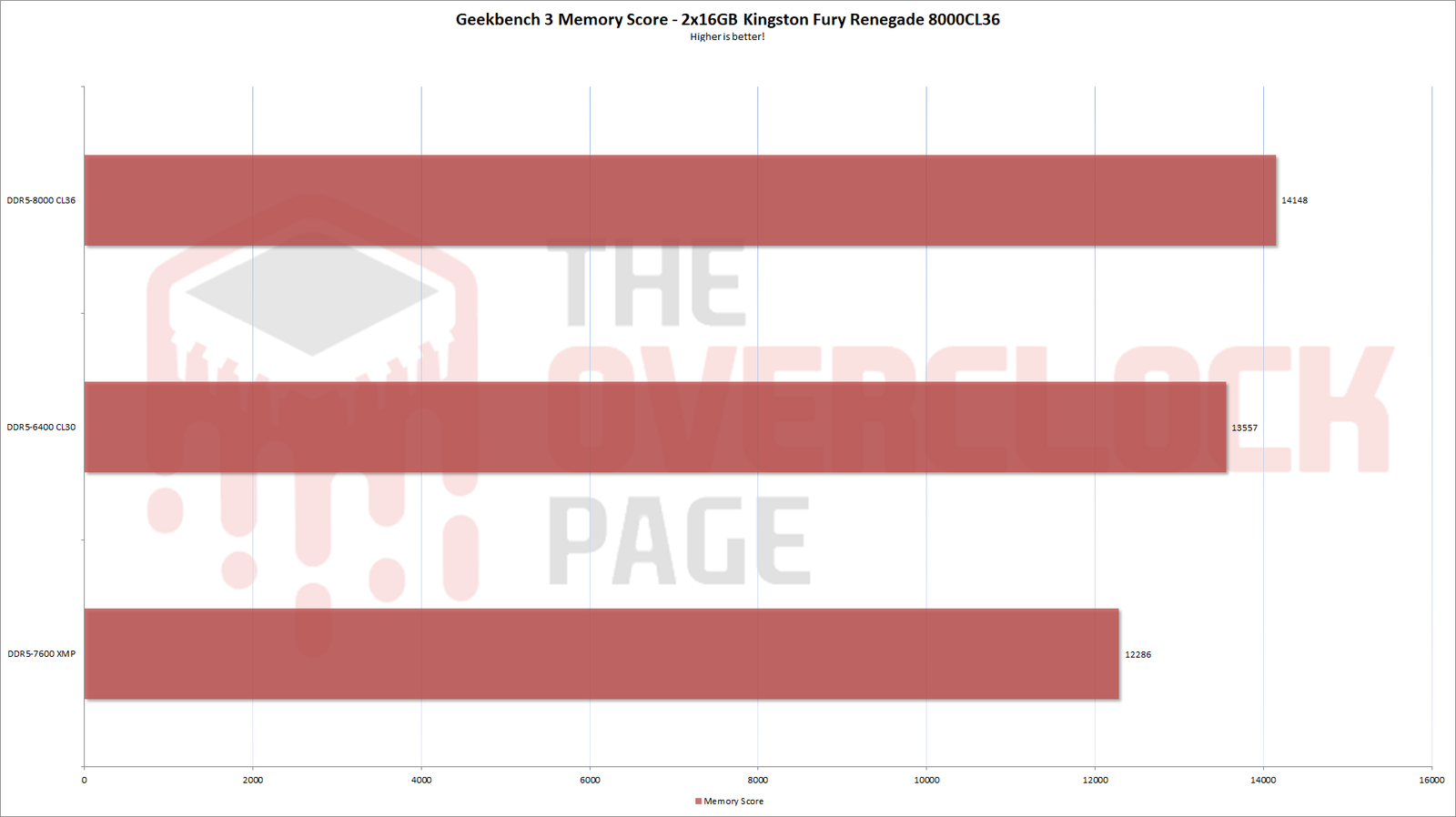
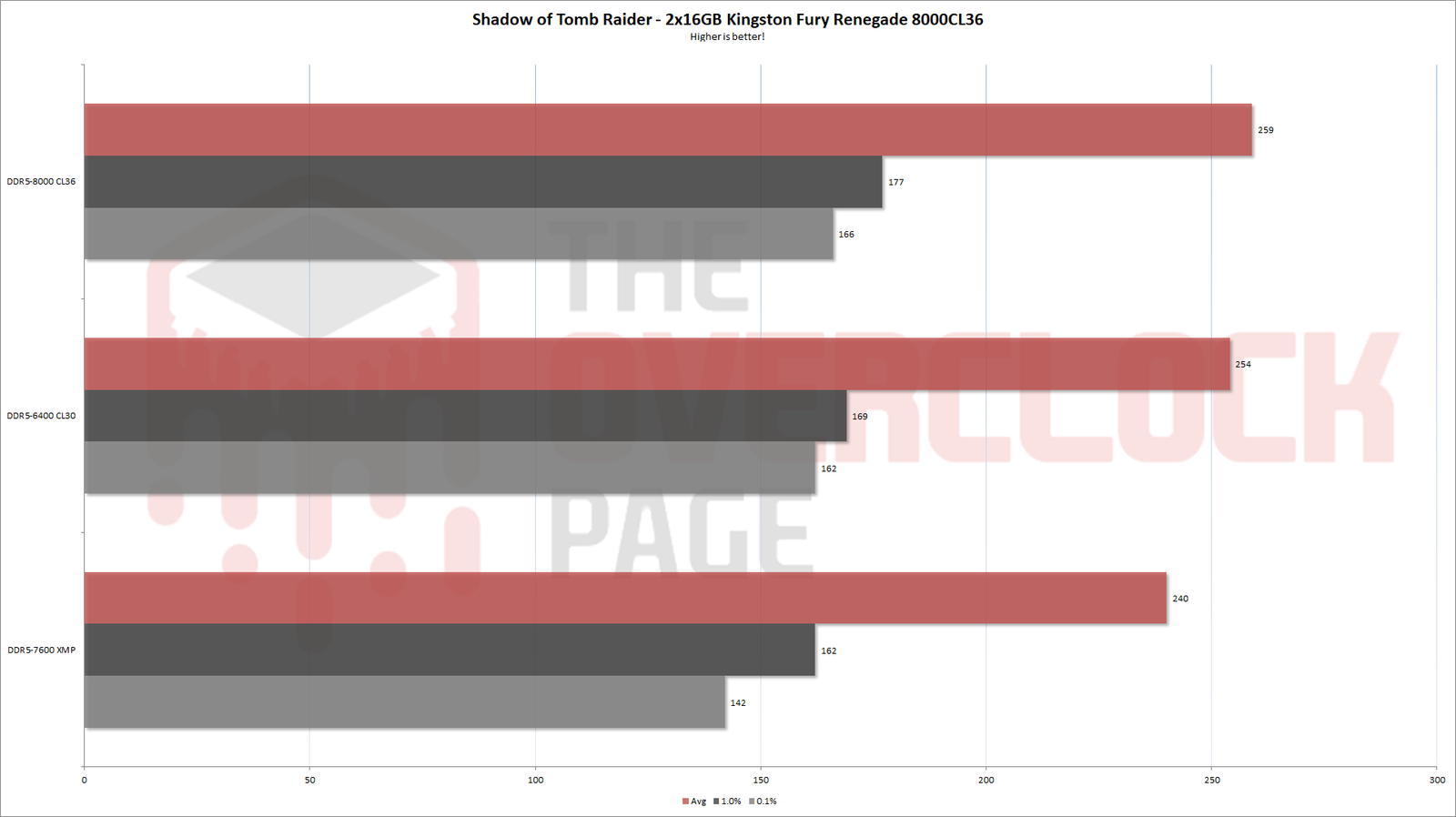
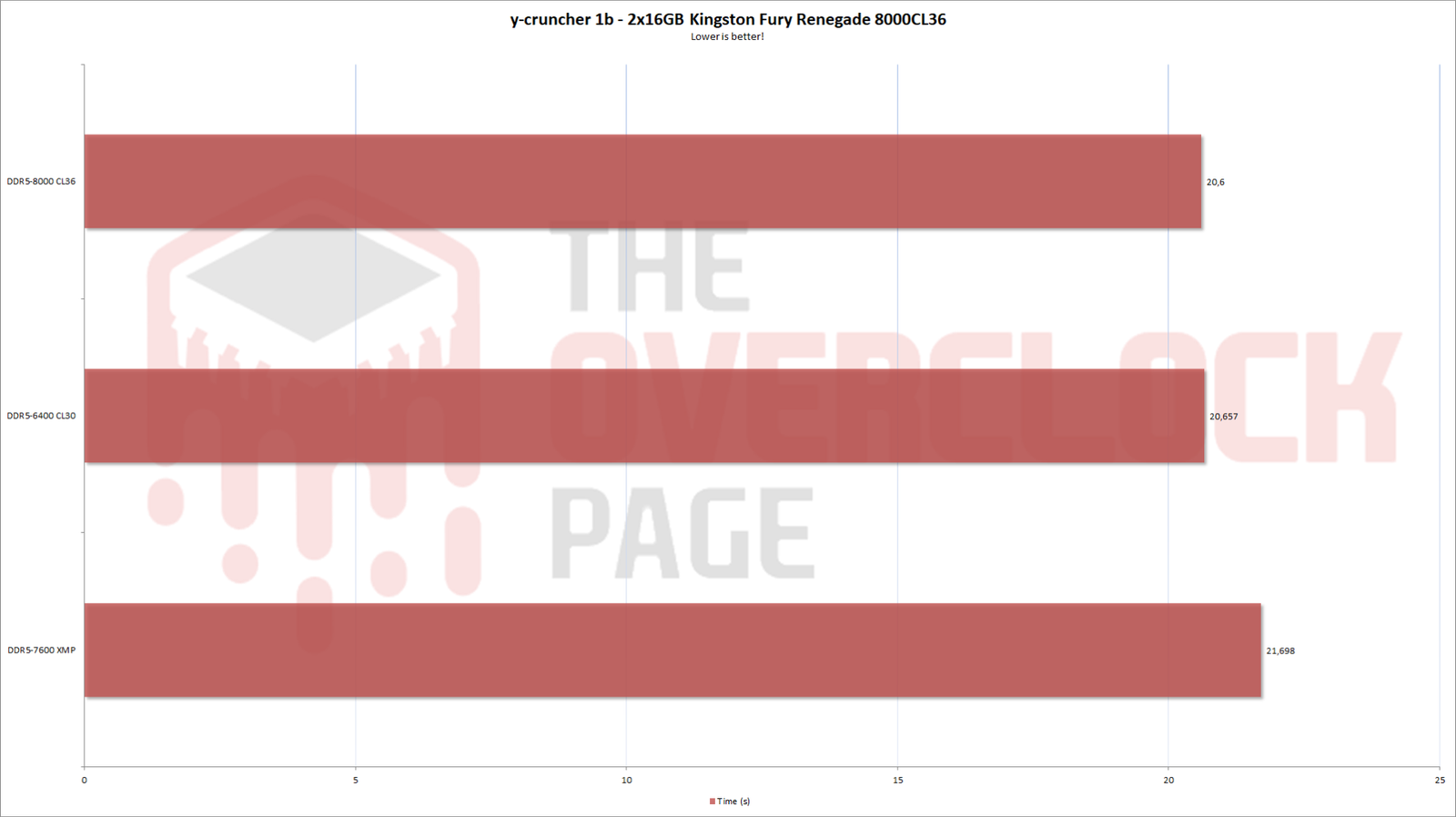
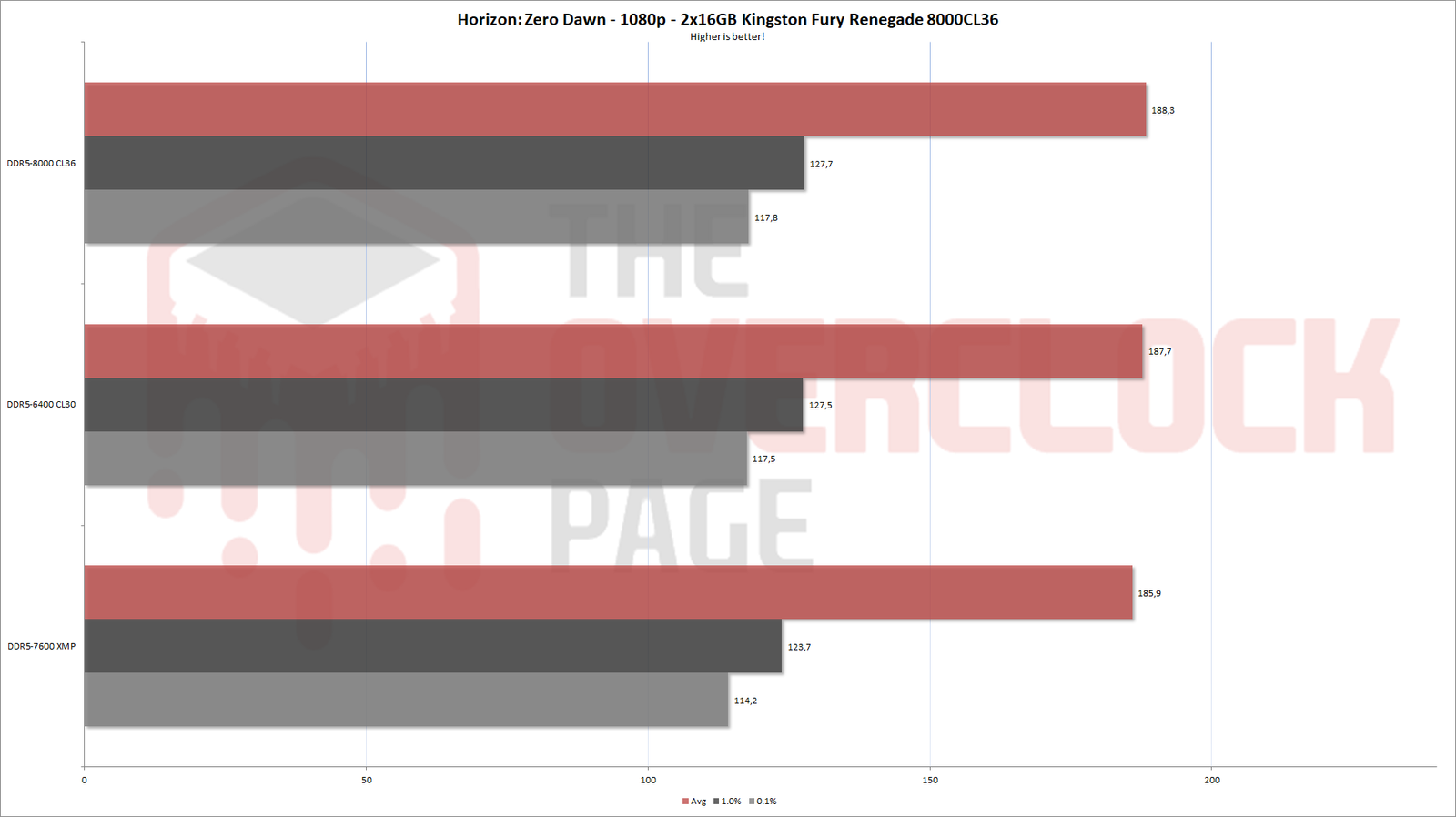
Next, let’s delve into the performance figures from the memory sub-test of Geekbench 3.4.4, y-cruncher 1b, as well as Cyberpunk 2077, SOTTR, and Horizon: Zero Dawn. These benchmarks have been included to provide a comprehensive understanding of the gains on the AM5 platform, extending beyond synthetic benchmarks.
Certainly, these numbers may vary on other processors and platforms. For instance, higher memory frequency performance tends to be more prominent on Intel 12th/13th/14th generation processors. Although the adjustments may differ and depend on other variables, in theory, this kit should reach or even exceed 8000 MT/s on CPUs from the blue team, provided you have a suitable motherboard and an golden CPU sample.
It’s important to note that all these results passed the stability test of TM5 0.12 v3, and at least for these samples, they represent configurations that can be used reliably in daily use.
Competitive benchmarking:
In addition to general-use results, tests were also conducted under more “enthusiast” conditions focused on competitive overclocking. It was possible to reduce primary timings and improve performance in Geekbench 3 and y-cruncher 1b compared to what was achievable with the AGESA version prior to 1007b, which was limited to 6400 MT/s.
In this manner, it was possible to complete Geekbench 3 and y-cruncher 1B @ 8080 MT/s with timings set at 32-44-44-42-80, utilizing VDD at 1.7V and VDDQ at 1.55V. This is an excellent result and likely not the limit for the Fury Renegade. Currently, surpassing 8000 MT/s on the AM5 platform requires the use of BCLK, introducing additional stability issues on motherboards without an external clock generator, as is the case here.

Conclusion:
The Kingston Fury Renegade 32 GB (2×16 GB) DDR5-8000 kit, despite having only XMP, demonstrated good compatibility with the AMD platform. It operated seamlessly with the 7600 MT/s profile without any user intervention. Although this frequency is below the labeled specification, it’s attributed to the need for specific signal adjustments on the test platform to achieve stability with higher frequencies, rather than an issue with the memory modules themselves.
With manual adjustments while using UCLK at 1:1, it was possible to achieve DDR5-6400 CL30 with complete stability. This adjustment tends to be simpler to attain and might be more appealing for CPUs with only 1 CCD. On the other hand, with UCLK at 1:2, Kingston was able to reach the promised 8000 MT/s with much more aggressive timings and a voltage lower than the labeled specification. This is excellent and indicates that the manufacturer did not compromise on the quality of the memory chips used in this kit.
Regarding competitive benchmarks, it was possible to achieve completion at 8080 MT/s CL32 with a modest 1.7V in VDD and 1.55V in VDDQ. This is an excellent achievement and is very likely still far from the limit of the memory. For Ryzen 7000 processors, going beyond 8000 MT/s depends on the BCLK, posing a challenge on motherboards without an external clock generator.
In terms of availability and price, the Kingston Fury Renegade DDR5-8000CL38 can be found for approximately 260 USD, which, at the moment, is slightly more expensive than competitors with similar specifications thus it’s a good idea to look elsewhere too.
Anyway, if you’re looking for a top-of-the-line product with the manufacturer’s endorsement for achieving high frequencies, this becomes a option to consider. However, it’s important to note that reaching DDR5-8000+ on current platforms, whether AMD or Intel, comes with its challenges and may not be as straightforward as some might make it seem.

Good day,
Do you think as can use this seetings for 2x24Gb kit, or even with 4 sticks ? ?
Thanks.
For 2x24GB sticks with Hynix M-Die ICs, use this article as reference:
https://theoverclockingpage.com/2024/05/05/review-2x24gb-kingston-fury-renegade-ddr5-6400cl32-hynix-m-die-24-gbit-densidade-e-desempenho-em-um-so-pacote/