

Review – ASRock B760M PG Riptide – An LGA1700 Motherboard with DDR5 and “Non-K” Overclocking in One Package!
 by Giancarlo C. Dalmedico "NoMS" December 27, 2023 · Motherboards / Reviews
In this review, we will be examining the ASRock B760M PG Riptide, which is a B760 motherboard designed for the LGA1700 platform. This particular model falls into the entry-level category, offering support for two M.2 PCI-E 4.0 slots and compatibility with 14th generation CPUs. However, it comes with an intriguing feature – the ability to perform ‘non-k’ overclocking on 12th generation models.
Did it give you a sense of déjà vu? Indeed, it bears a striking resemblance to the B660 PG Riptide that we previously reviewed. However, unlike its counterpart, this one boasts DDR5 support! Could it be a superior choice? That’s what we’ll explore in this article.
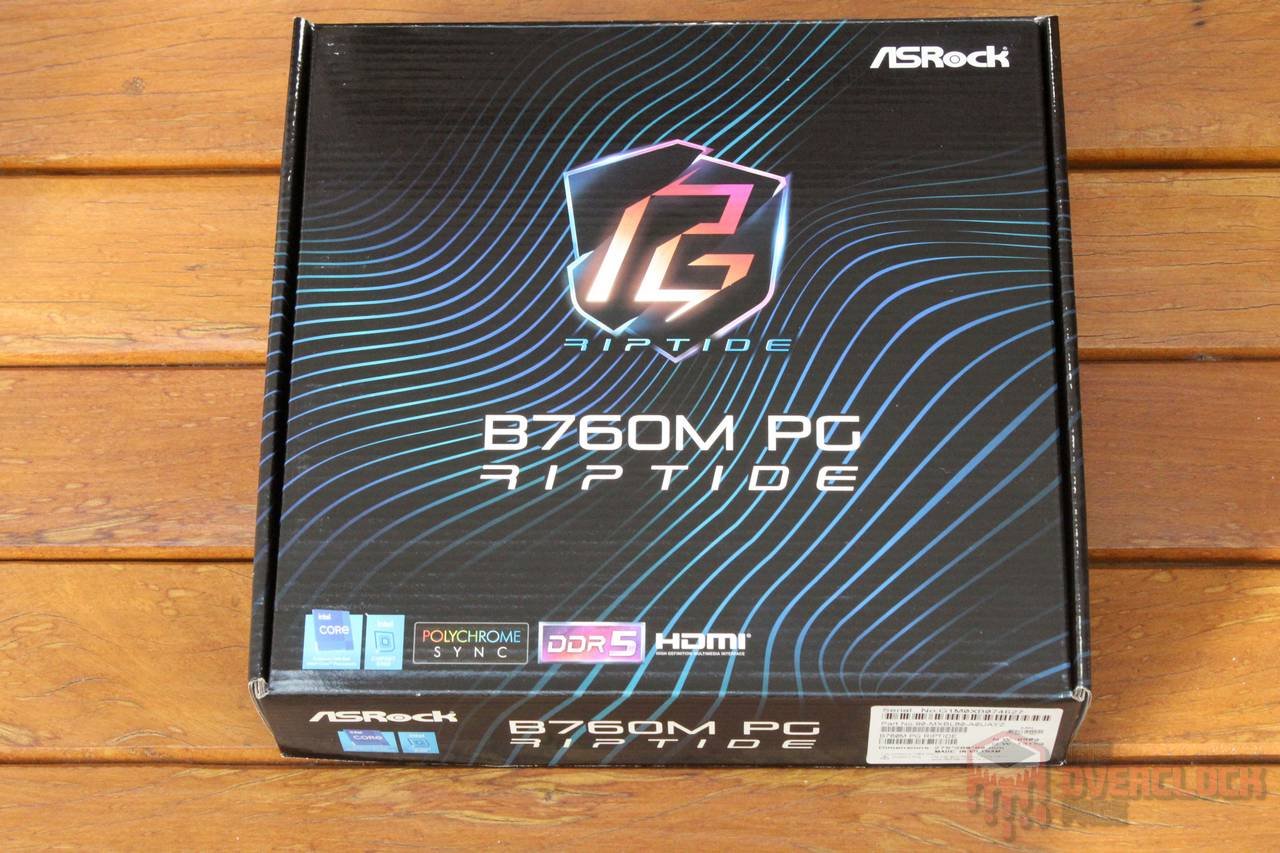
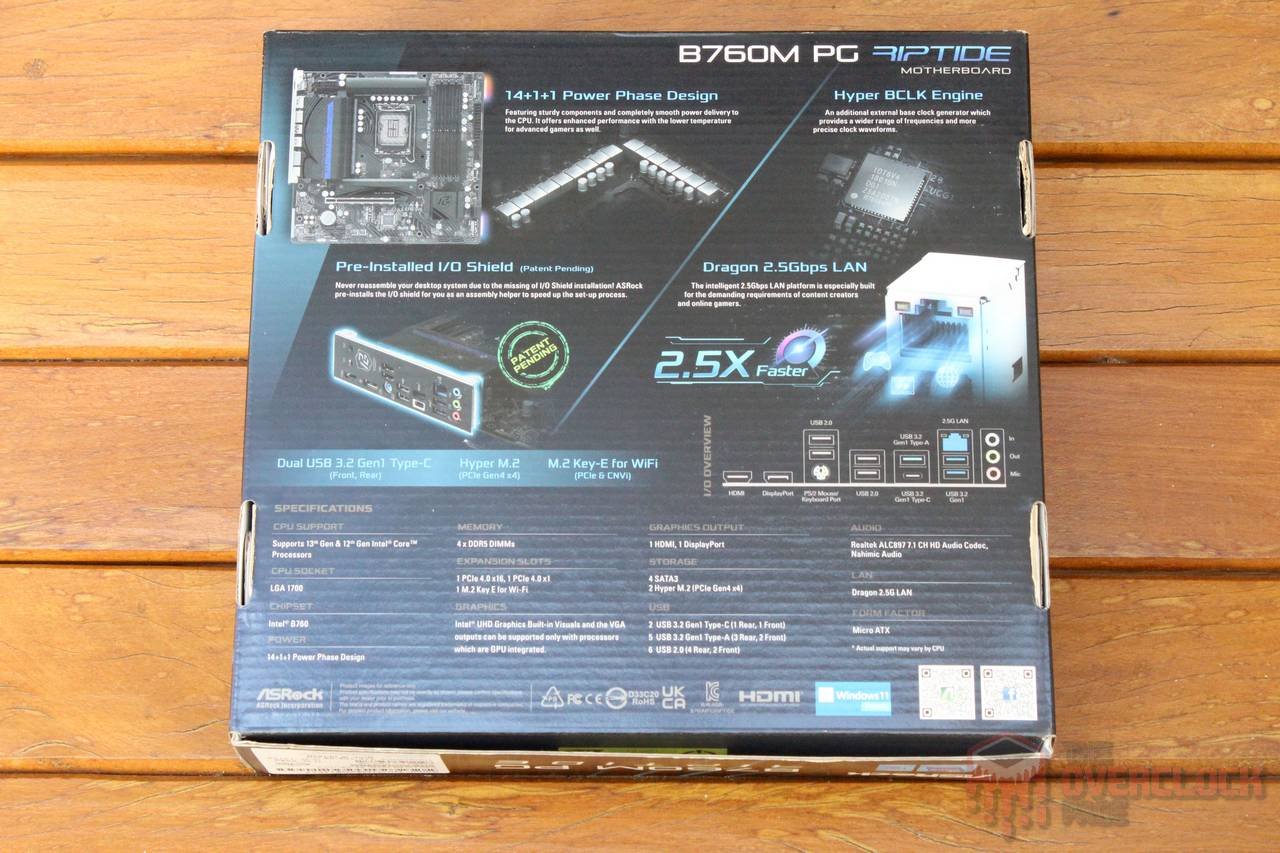
Regarding the packaging, the front prominently features the “PG Riptide” series emblem, along with the motherboard model and highlights of key features such as “Polychrome Sync” and support for the latest-generation processors. On the rear side, a table provides specifications, details about the VRM, pre-installed I/O Shield, external clock generator, and 2.5 Gbps LAN.
As for the accessory kit that comes with the product, it includes SATA cables, a warranty leaflet, a manual and screws for the M.2.
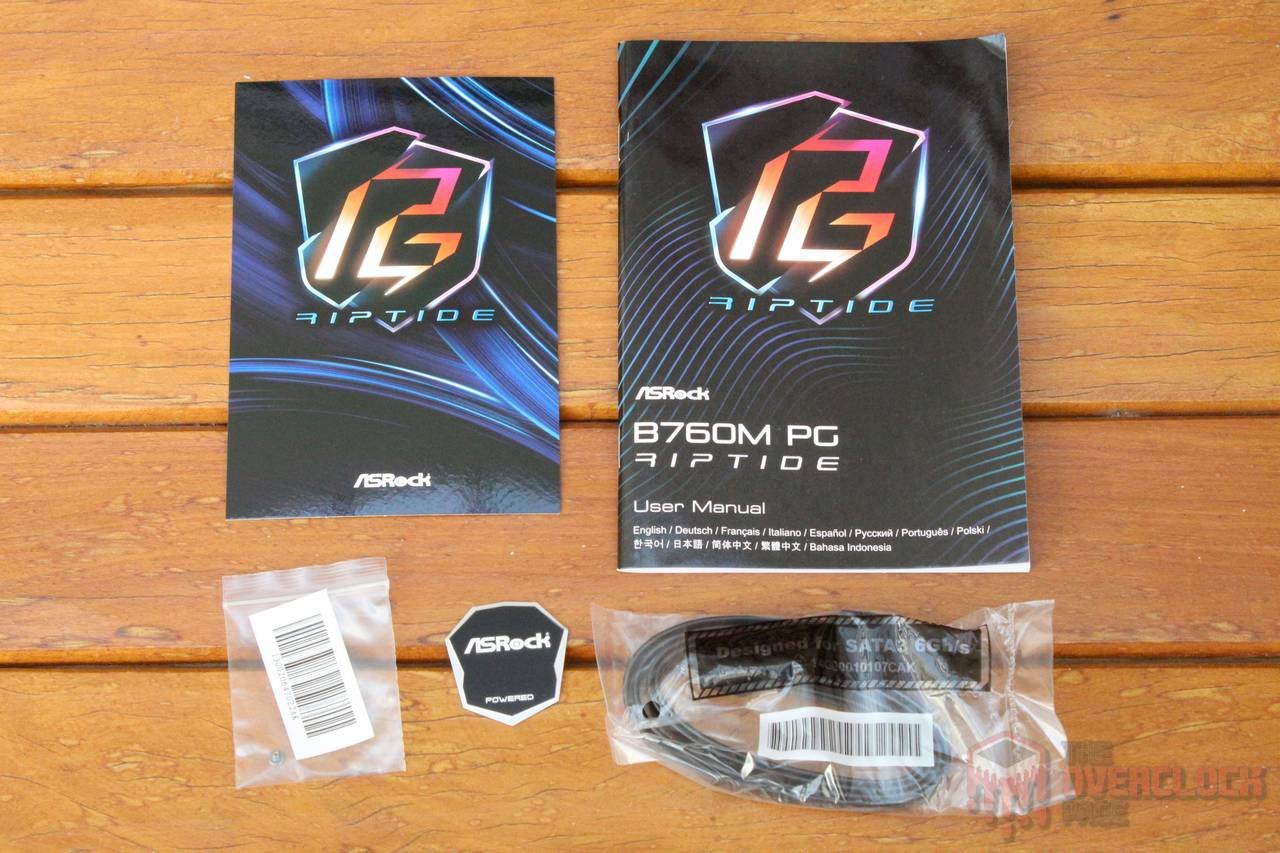
The accessory kit accompanying the product includes SATA cables, a warranty leaflet, a manual, and screws for the M.2 slots.
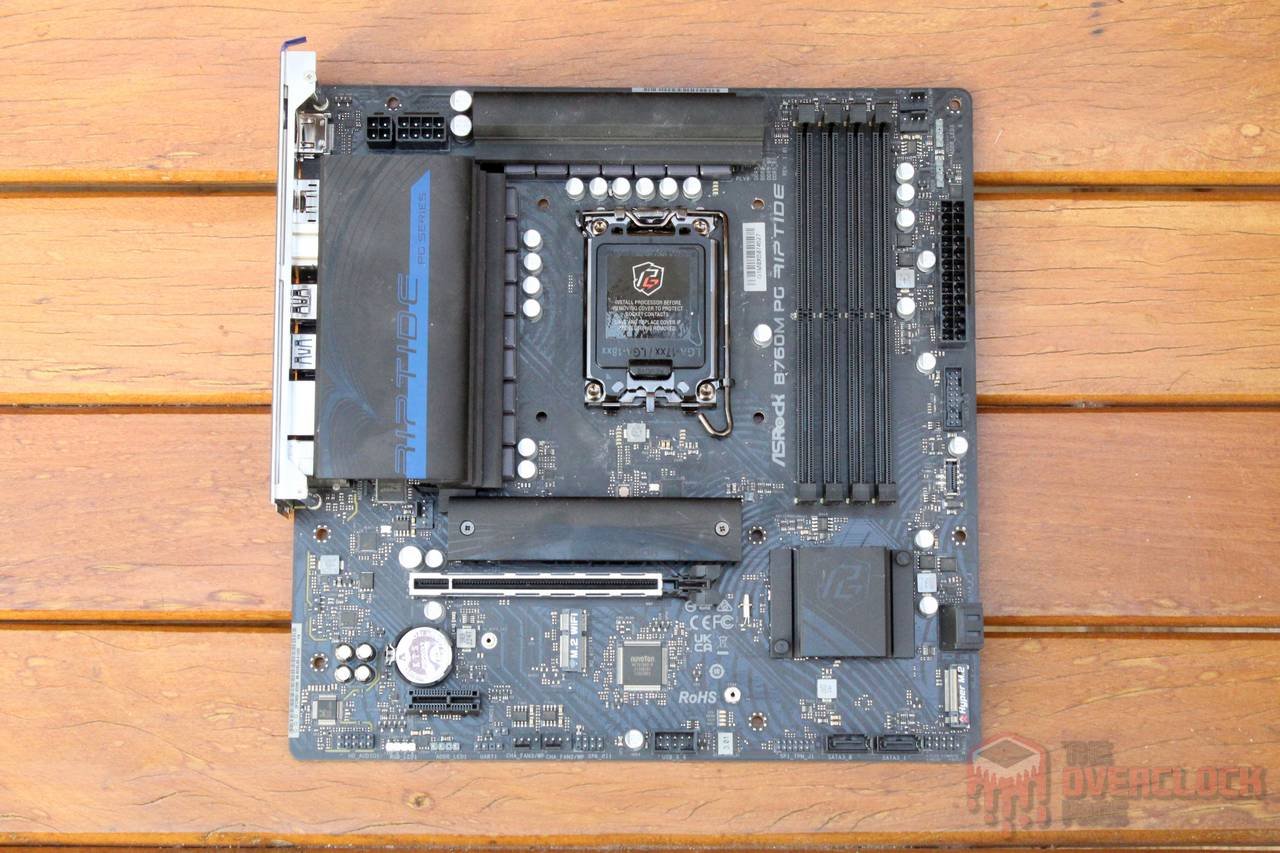
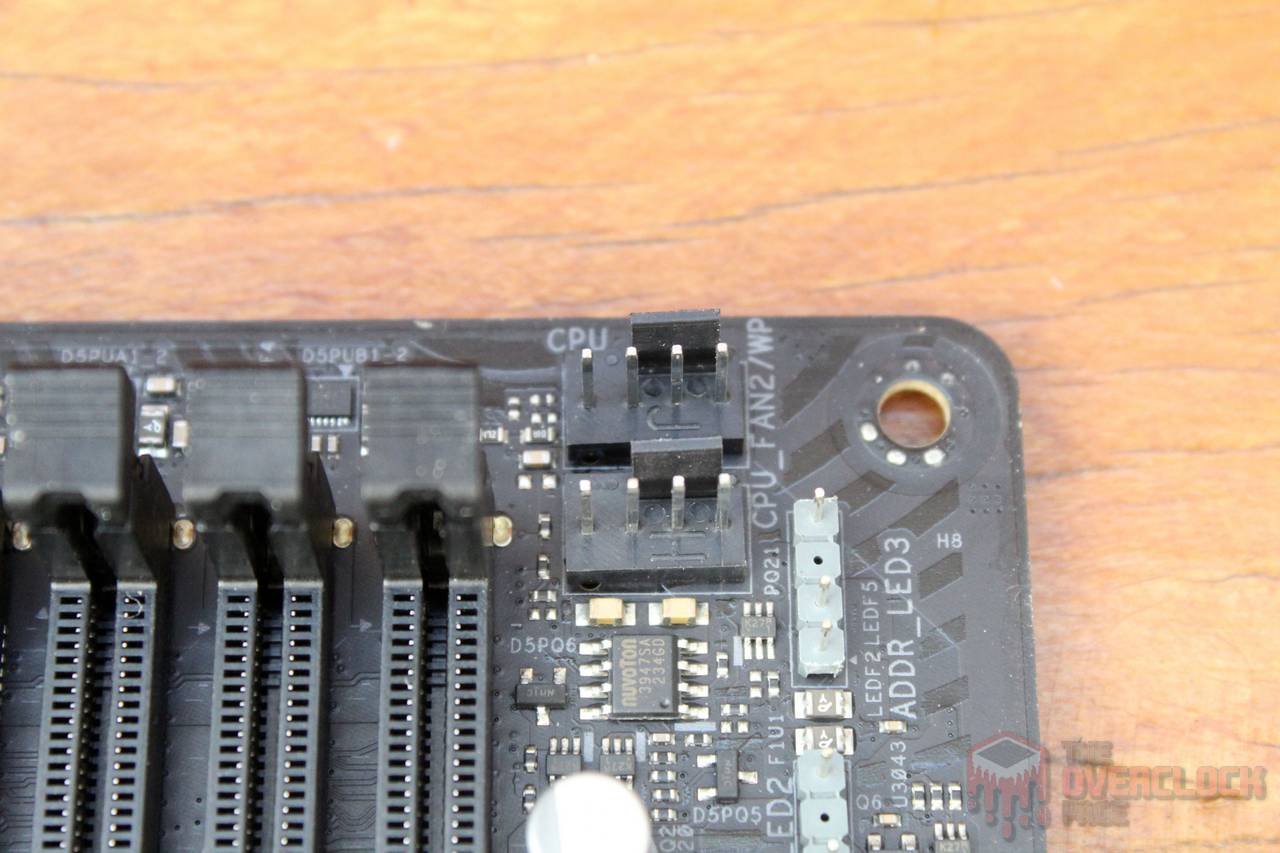
Concerning the PCB layout, overall, ASRock has done a commendable job with this motherboard. They have appropriately positioned the primary M.2 slot, SATA ports, the five fan headers intelligently distributed across the PCB, and an M.2 slot for optional Wi-Fi installation (Wi-Fi module not included with the motherboard).
A few observations are worth noting. The debug LEDs are positioned right next to the second M.2 slot, which could make reading them challenging when using a powerful graphics card with a “2.5-slot” or larger cooling system. There’s a lack of on/off/reset buttons, a common occurrence in motherboards of this segment, not exclusive to ASRock. Lastly, the second M.2 slot may face airflow restriction and size constraints for the heatsink when using a robust graphics card.
Concerning storage, both M.2 slots support PCI-E 4.0 with 4 lanes each. In addition to these, there are also four SATA ports with RAID support for configurations such as RAID 0, 1, and 10.
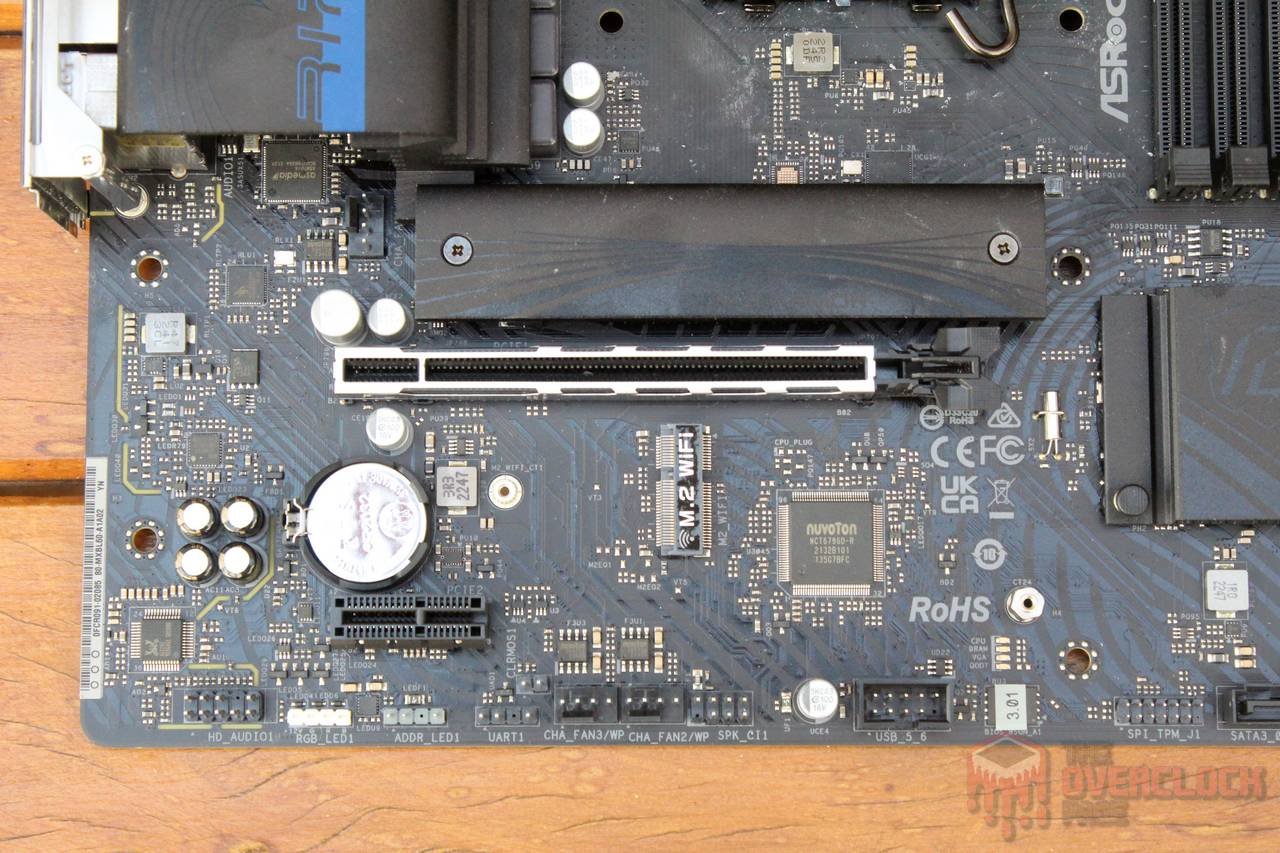
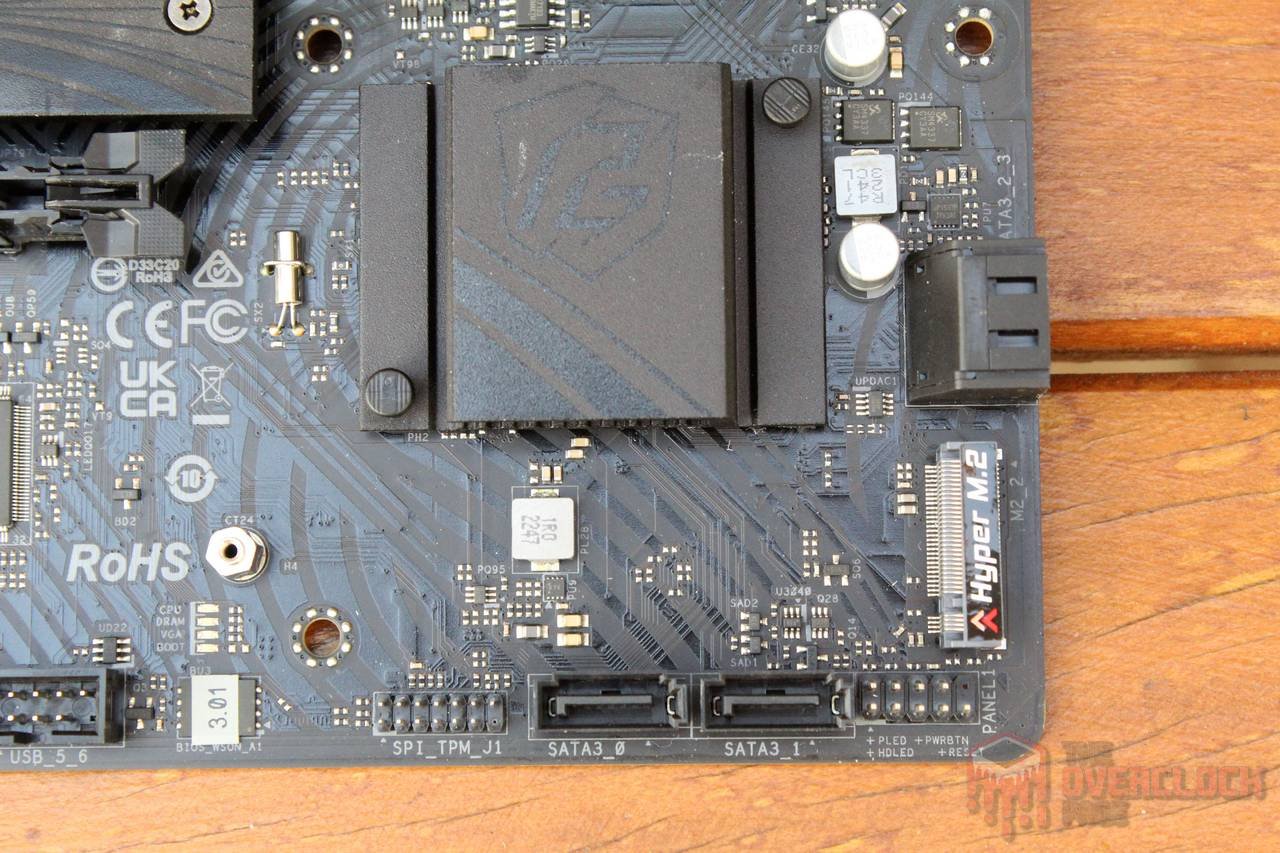
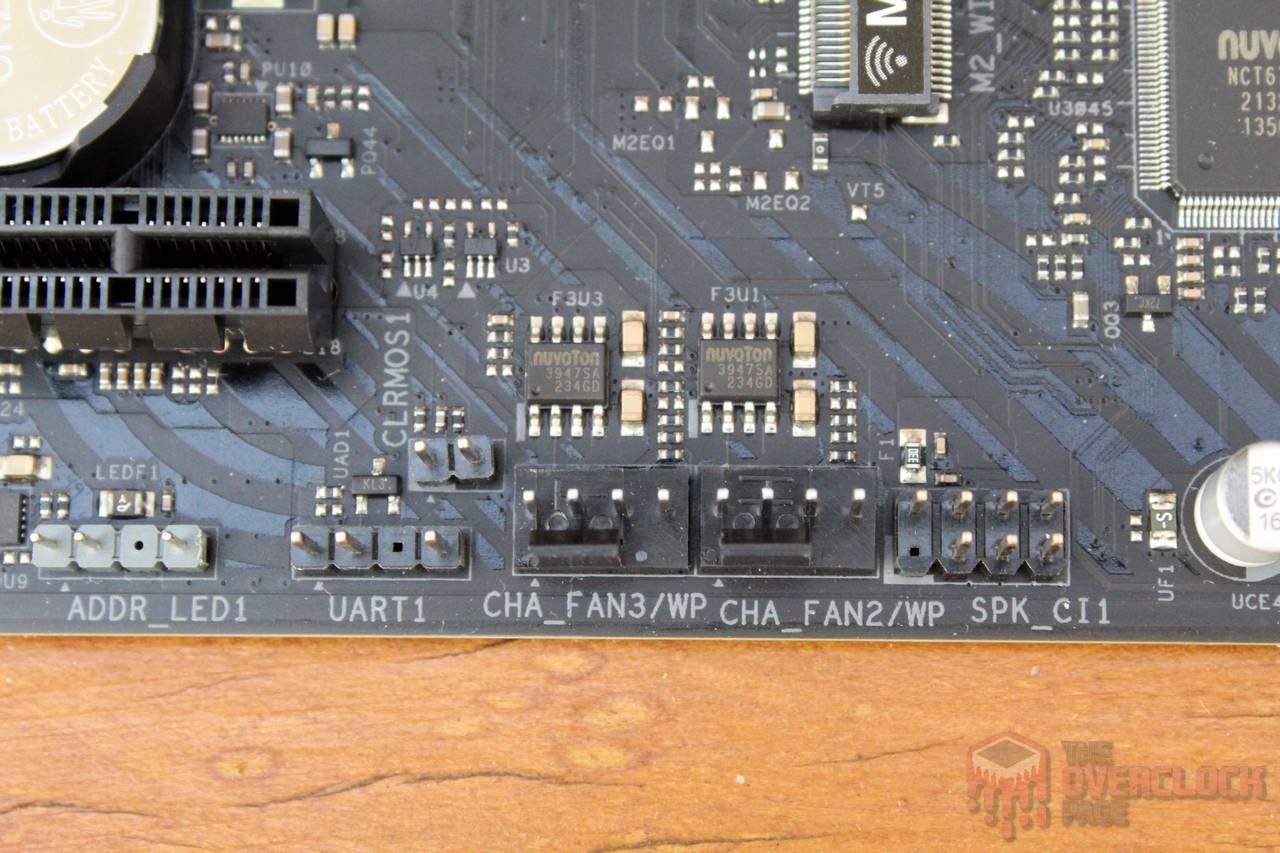
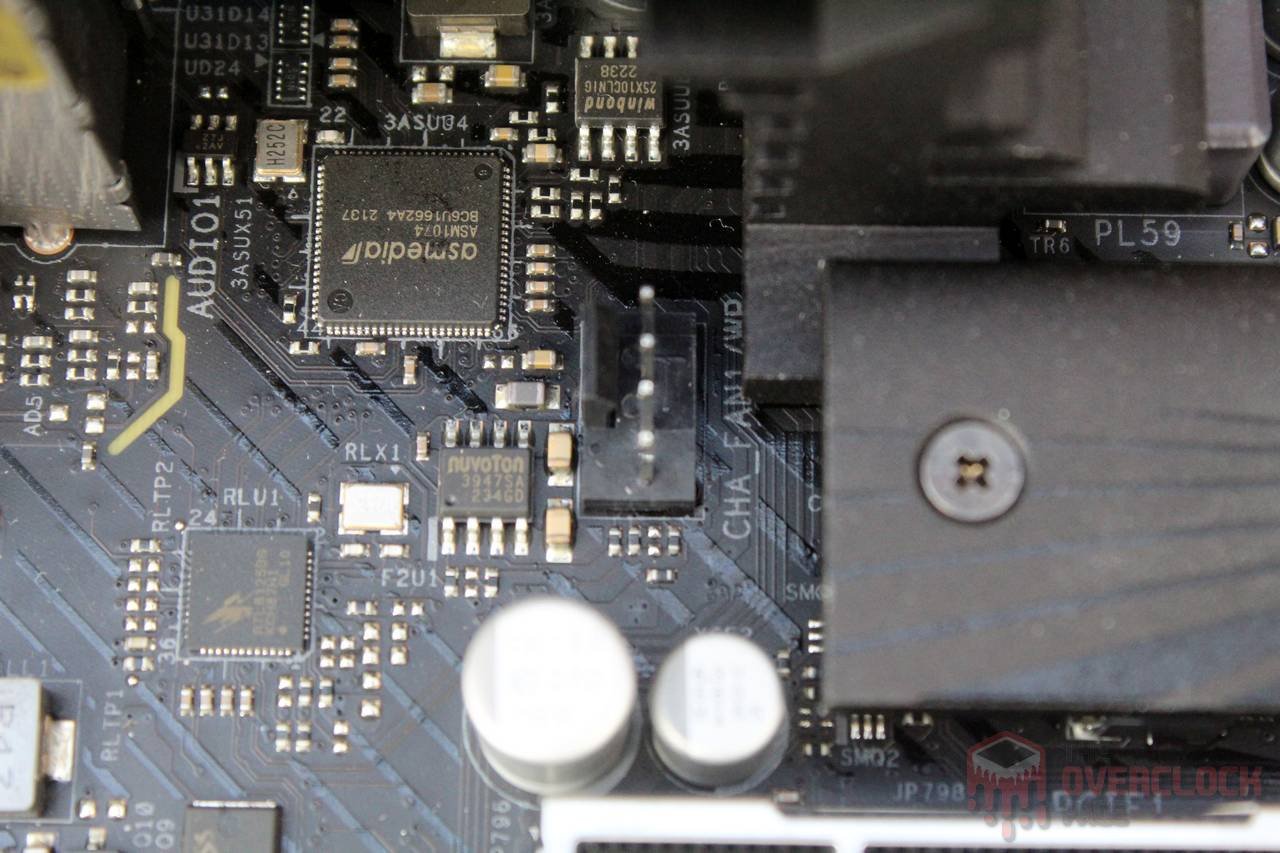
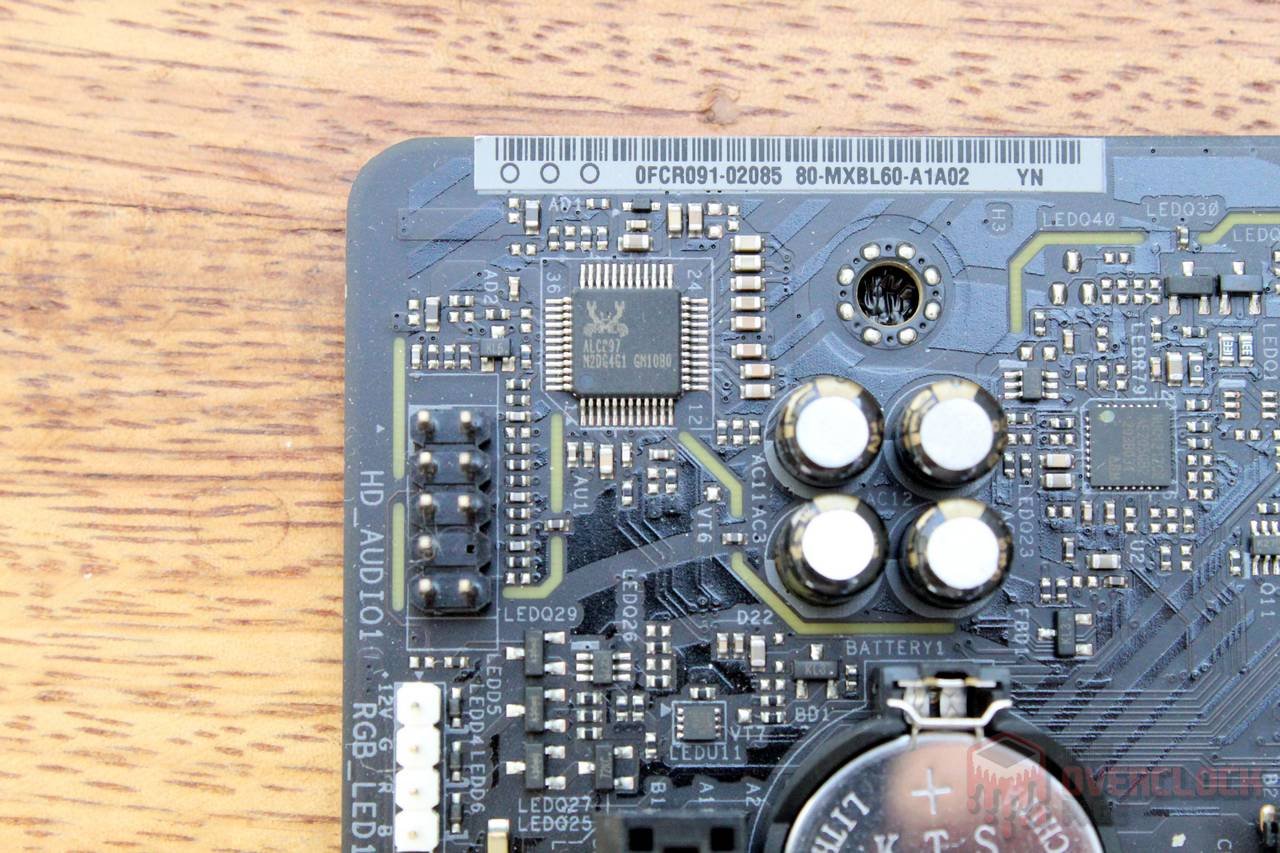
The audio codec utilized is the “veteran” Realtek ALC897, a familiar component that has been encountered in various other motherboards previously tested on this page.
Regarding the LAN, it features 2.5GbE and utilizes the Realtek RTL812BG chip.
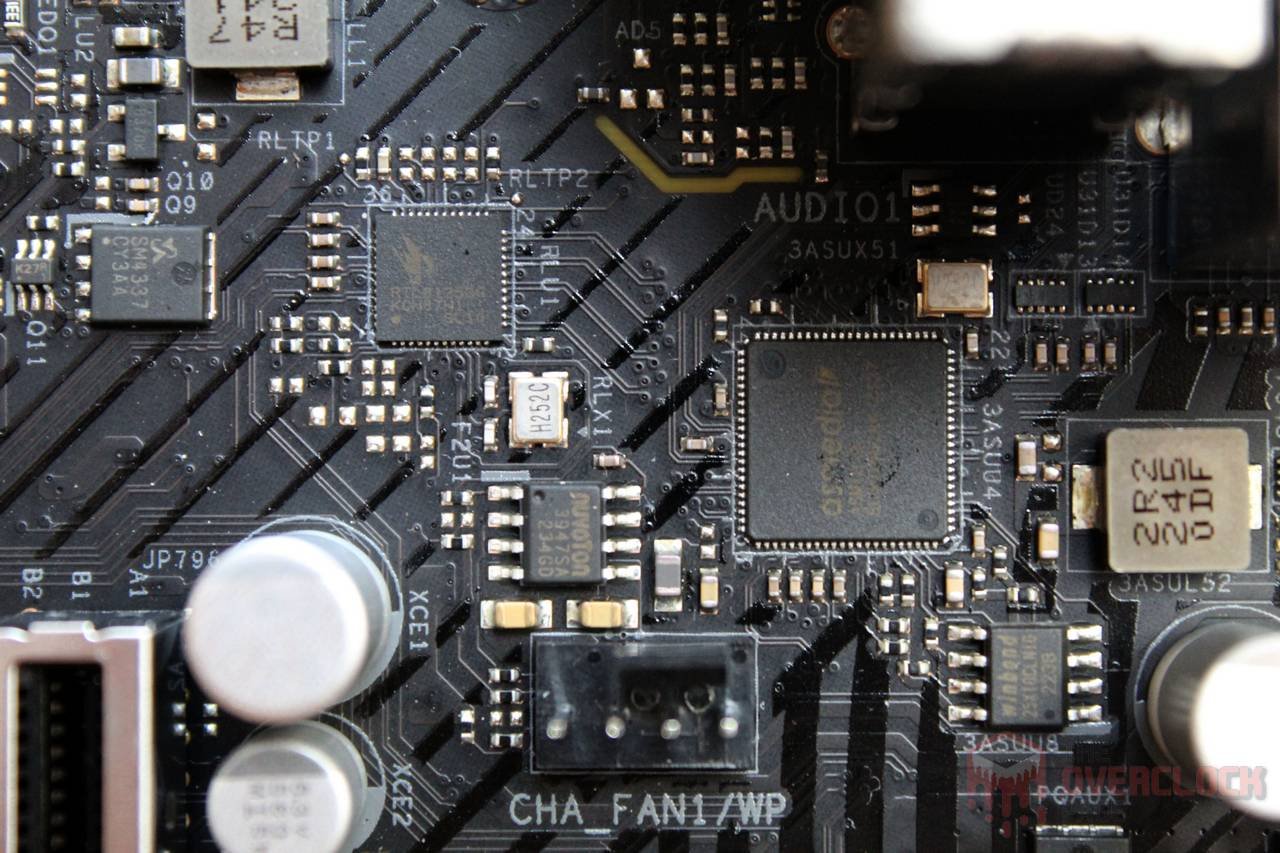
A noteworthy inclusion is the external clock generator IDT6V4, enabling users to perform “non-K” overclocking on 12th-generation CPUs. This is particularly intriguing as overclocking is not officially supported by Intel on the B760 chipset, let alone on “non-K” CPUs.

Regarding the rear I/O shield, it comes integrated with the motherboard and includes the following components:
- 2 x Antenna Mounting Points
- 1 x PS/2 Mouse/Keyboard Port
- 1 x HDMI Port
- 1 x DisplayPort 1.4
- 1 x USB-C 3.2 Gen1 Port
- 3 x USB 3.2 Gen1 Ports (ASMedia ASM1074 hub) (ESD Protection Supported)
- 4 x USB 2.0 Ports (ESD Protection Supported)
- 1 x RJ-45 LAN Port with LED (ACCESS LED and SPEED LED)
- HD Audio Connectors: Line In/Front Speaker/Microphone

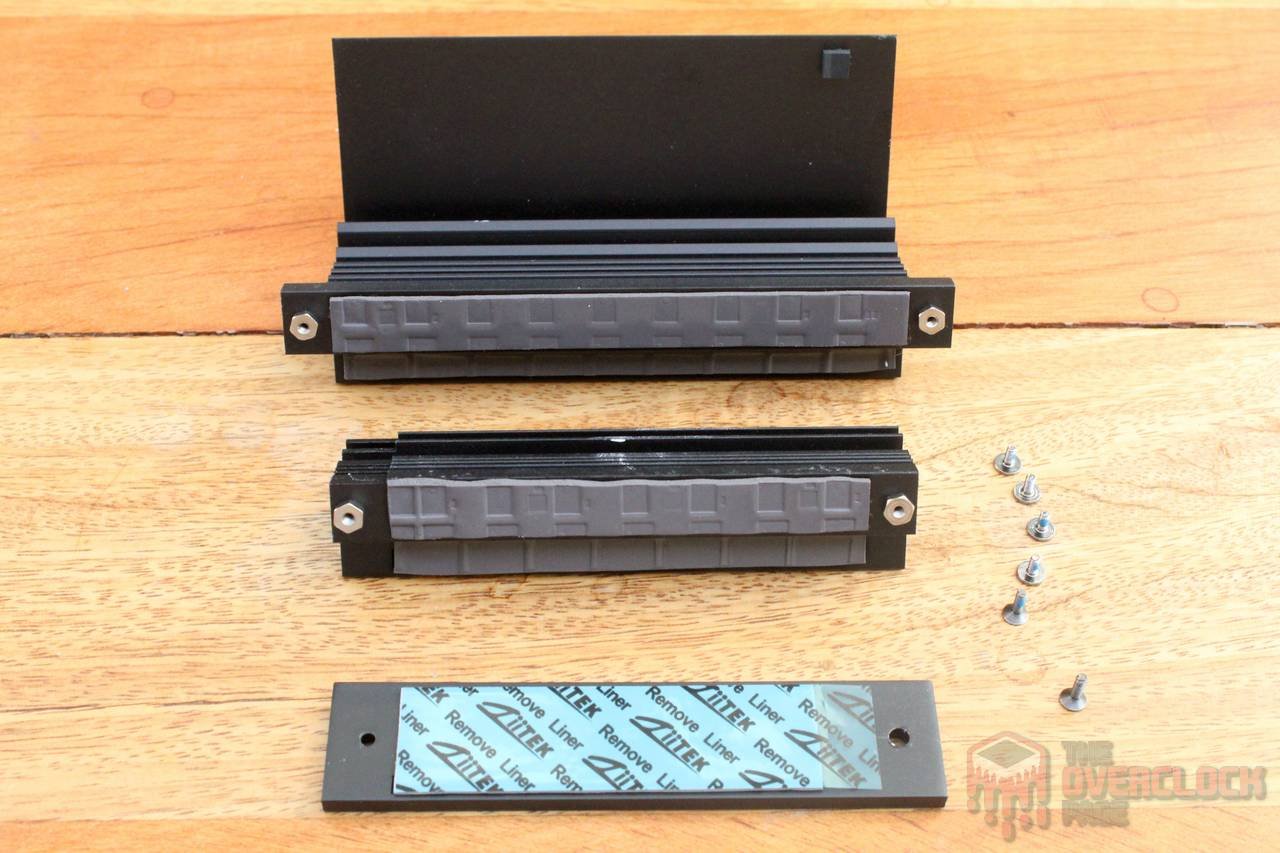
For the B760M PG Riptide, the manufacturer opted to use robust aluminum heatsinks with fins on the VRM, utilizing thermal pads to make contact with the MOSFETs.
As mentioned earlier, for the M.2_1 slot, a flat aluminum plate without fins was employed as a heatsink. It comes equipped with a thermal pad to establish direct contact with the SSD.
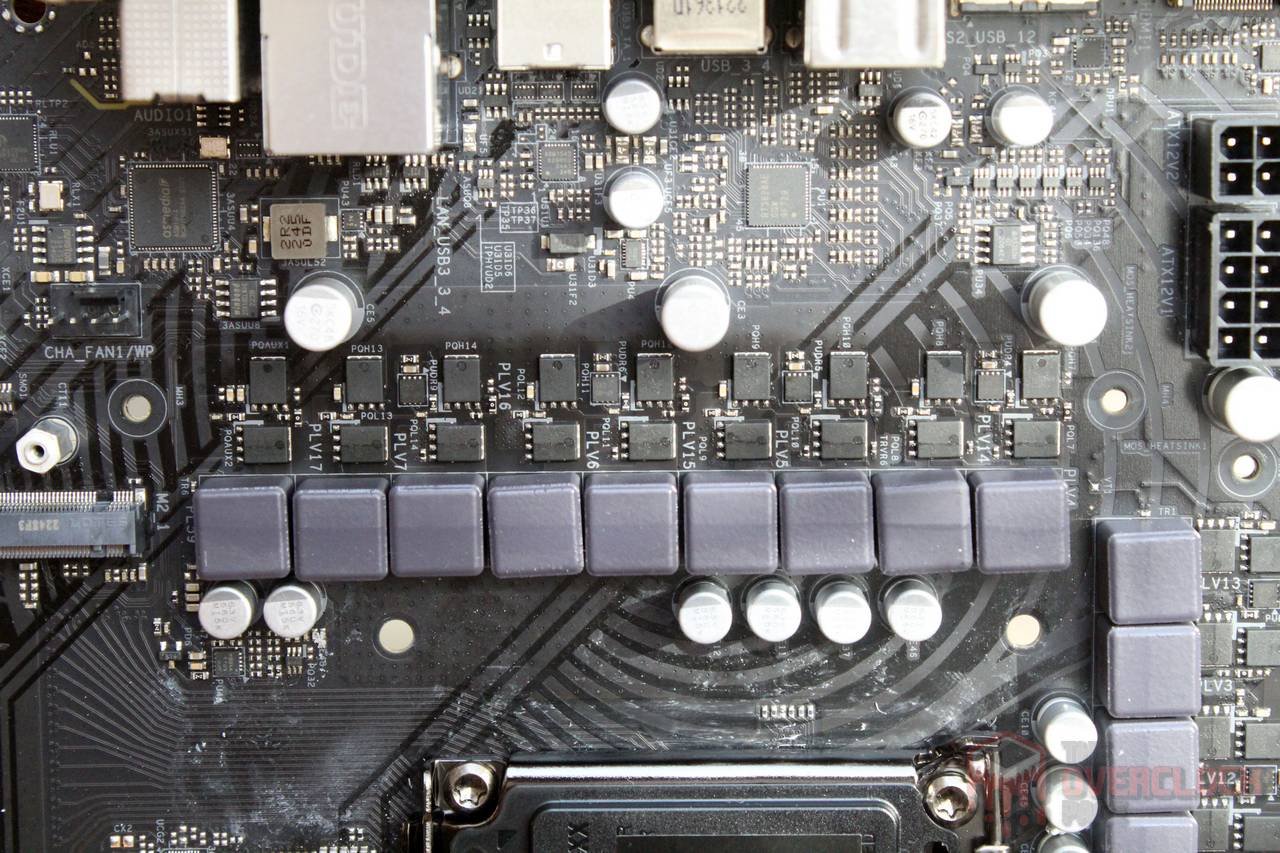
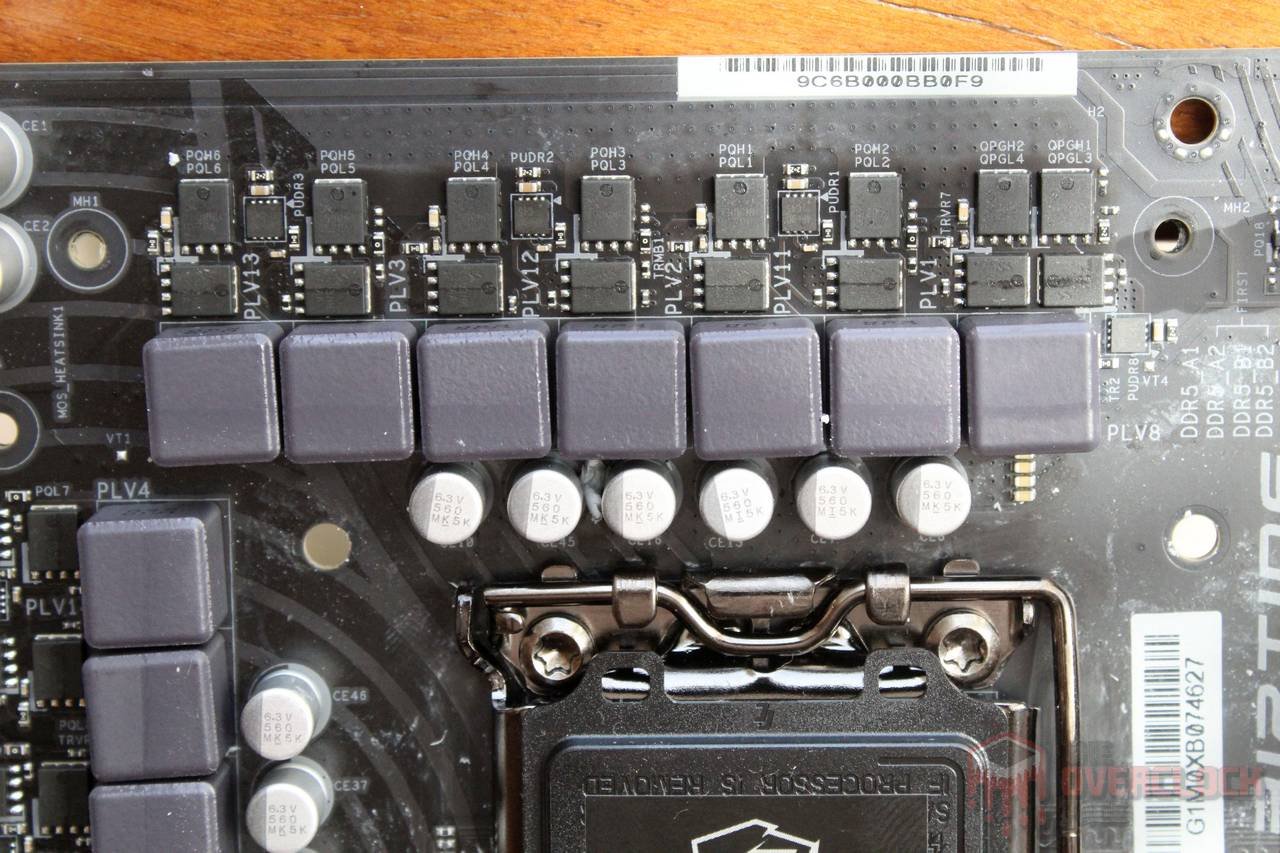
Regarding the VRM, ASRock chose to implement a 7+1 configuration (VCORE+AXG) with the RT3628AE controller and RT9624F drivers. Each phase incorporates doubled components, meaning two high-side Sinopower SM4508NH MOSFETs in parallel, two low-side Sinopower SM4503NH MOSFETs in parallel, and two 50 uH inductors.
Concerning these components, the high-side SM4508NH supports a maximum current of approximately 30.4A @ 100?°C and has a Tr (rise time) of 8.6ns and Tf (fall time) of 11.6ns, which is quite acceptable. On the other hand, the low-side SM4503NH has an rds(on) @ Vgs = 10V of 3m?, which is not exceptionally low but should be reduced to a decent 1.5m? due to the parallel configuration of the two low-side MOSFETs.
Concerning the heat dissipation of the VCORE phases, with an i5 12600K/13600K at stock (165W under load in Blender, measured by Elmorlabs PMD), the VRM should dissipate around 11.1W. Meanwhile, with the 12900K/13900K under overclock or MCE ON (~300W), this dissipation is expected to approach 25W. We’ll see later on if this setup proves sufficient for these configurations.

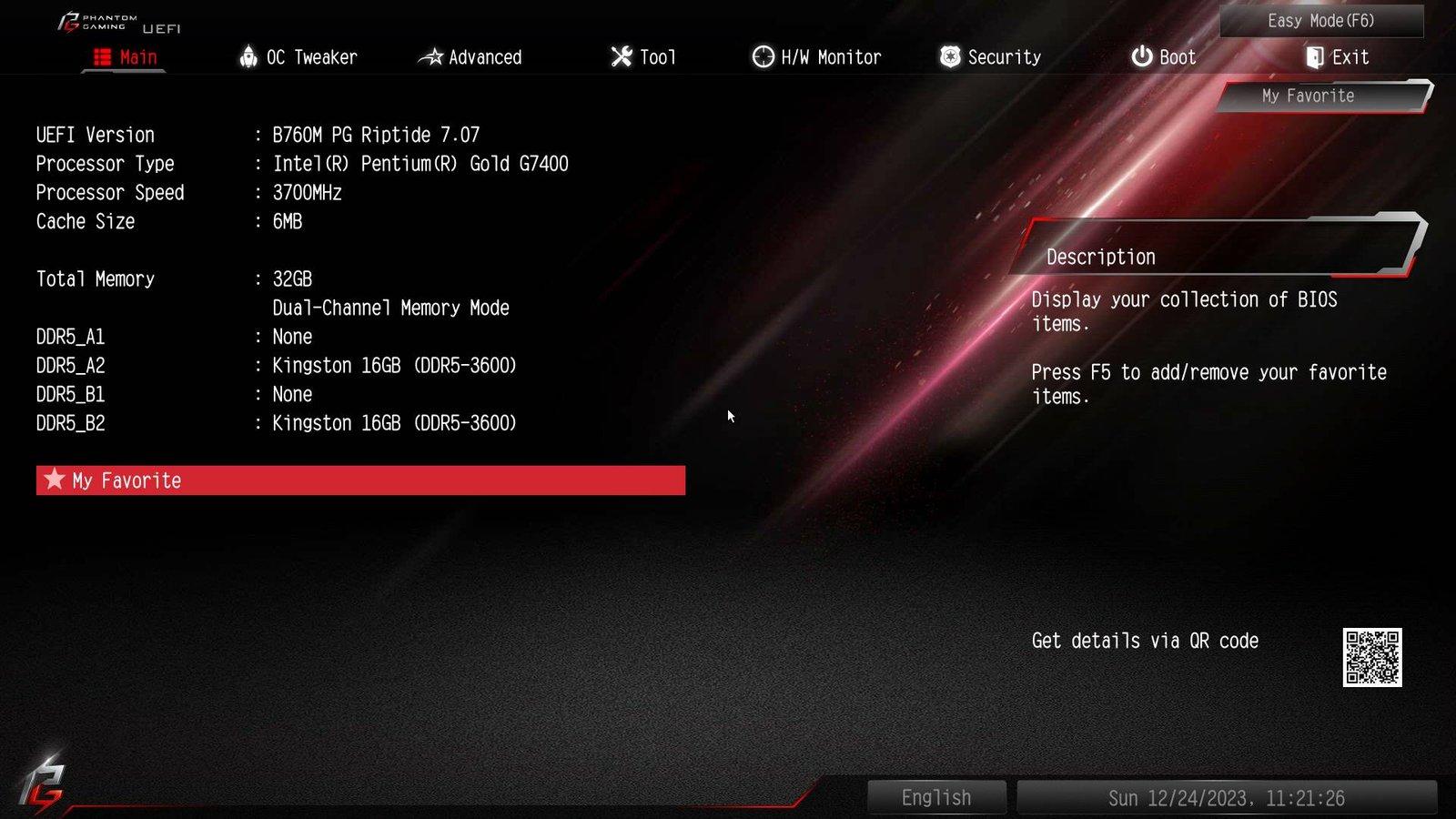
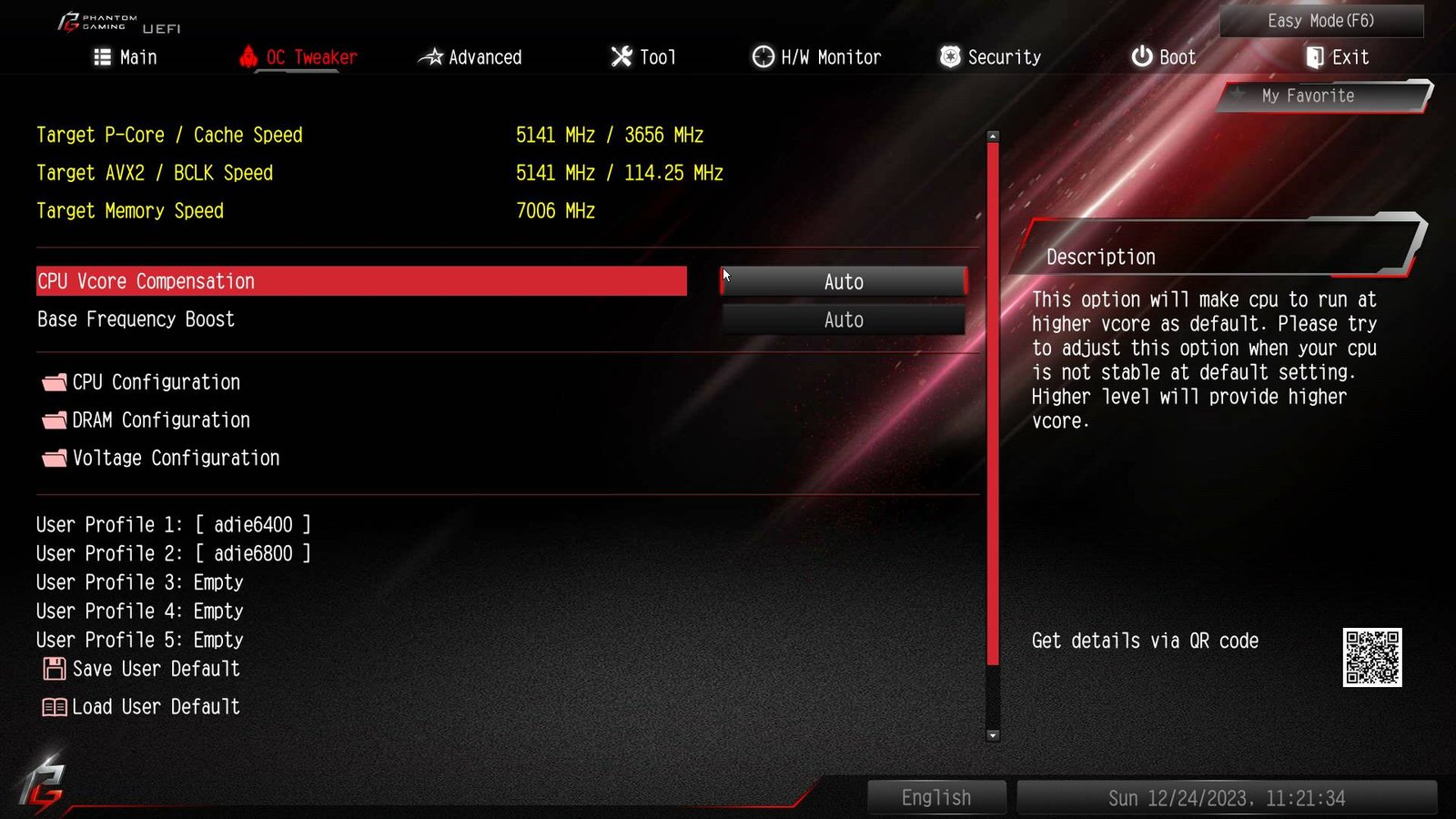
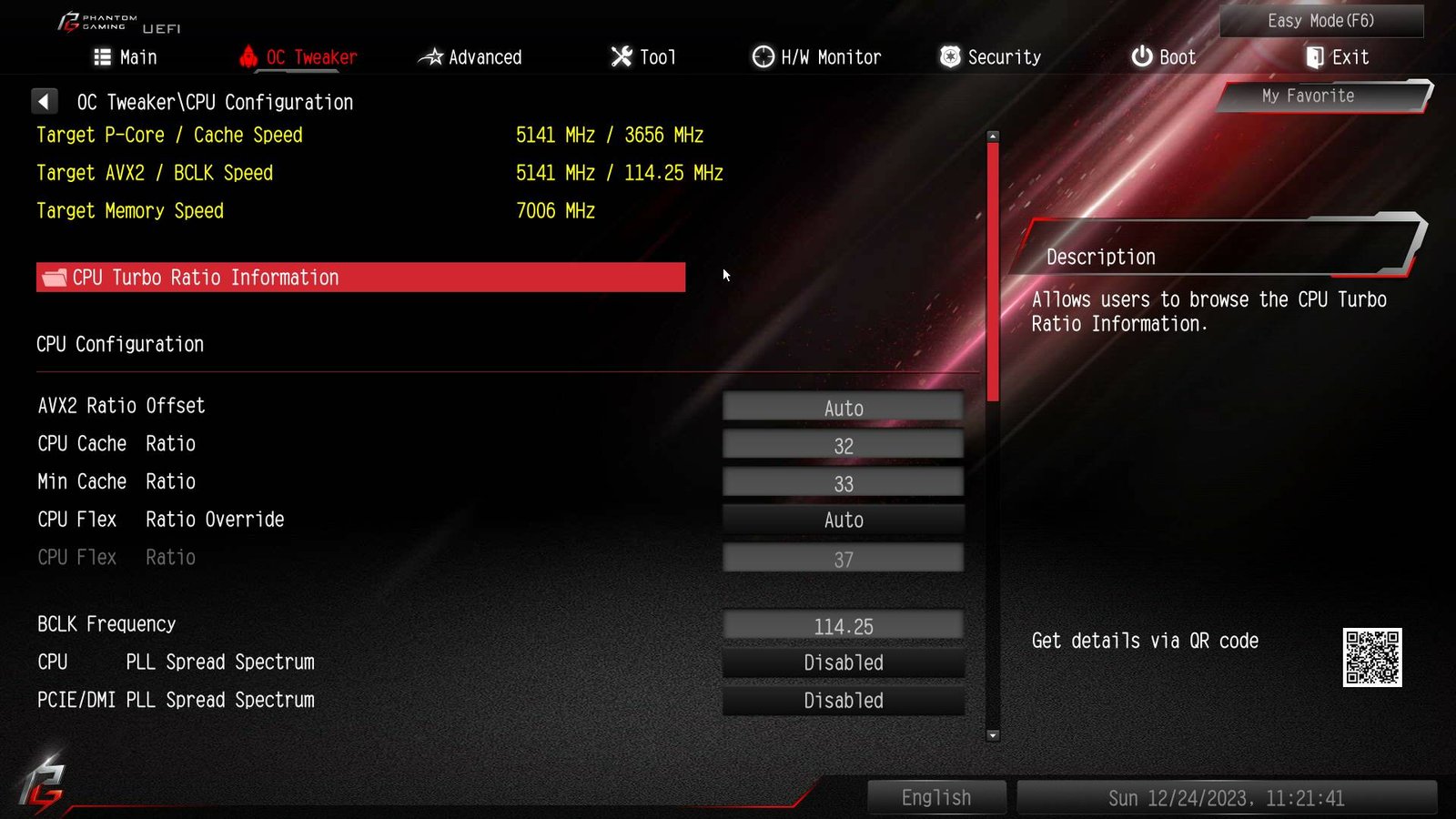
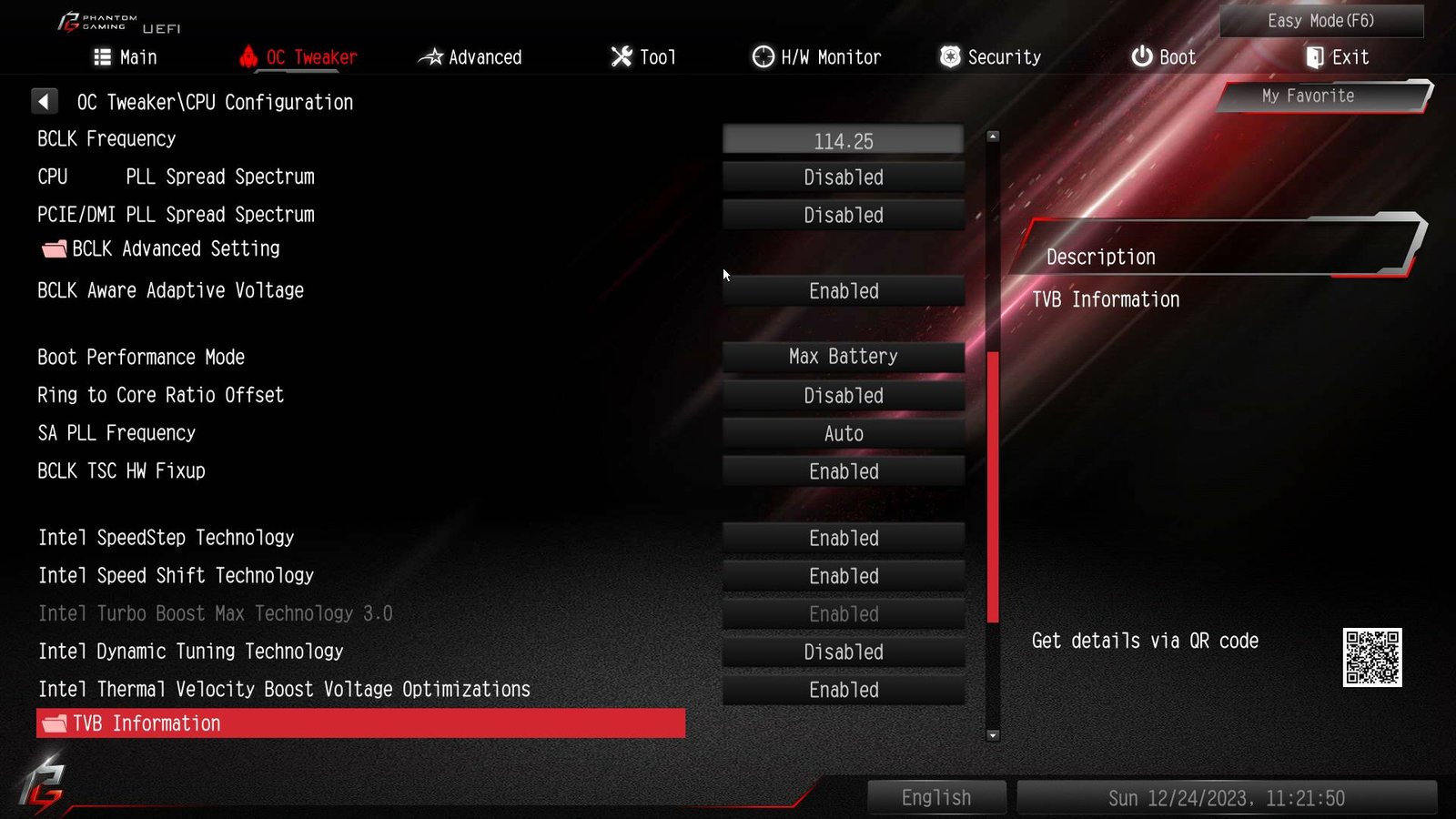
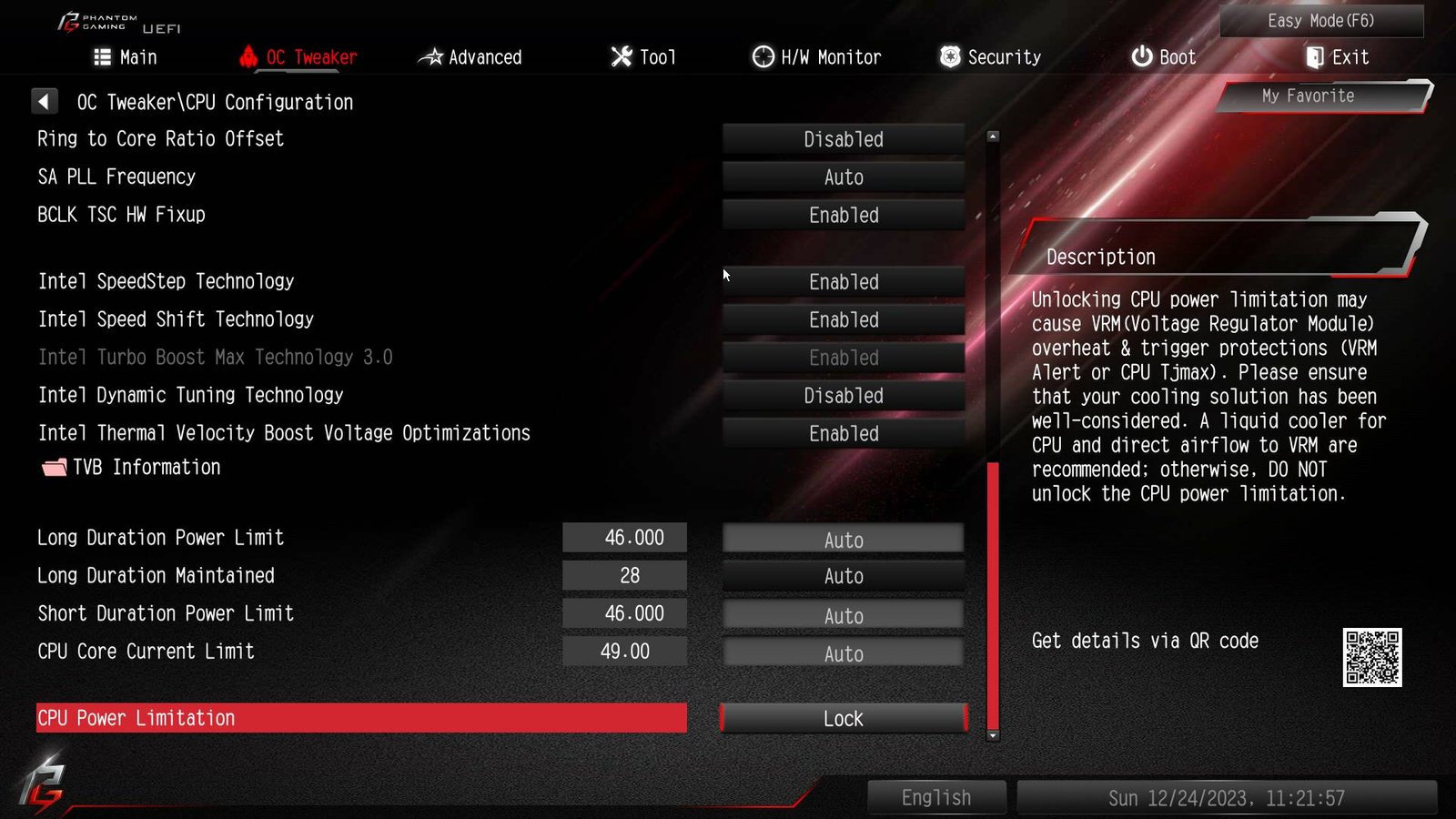
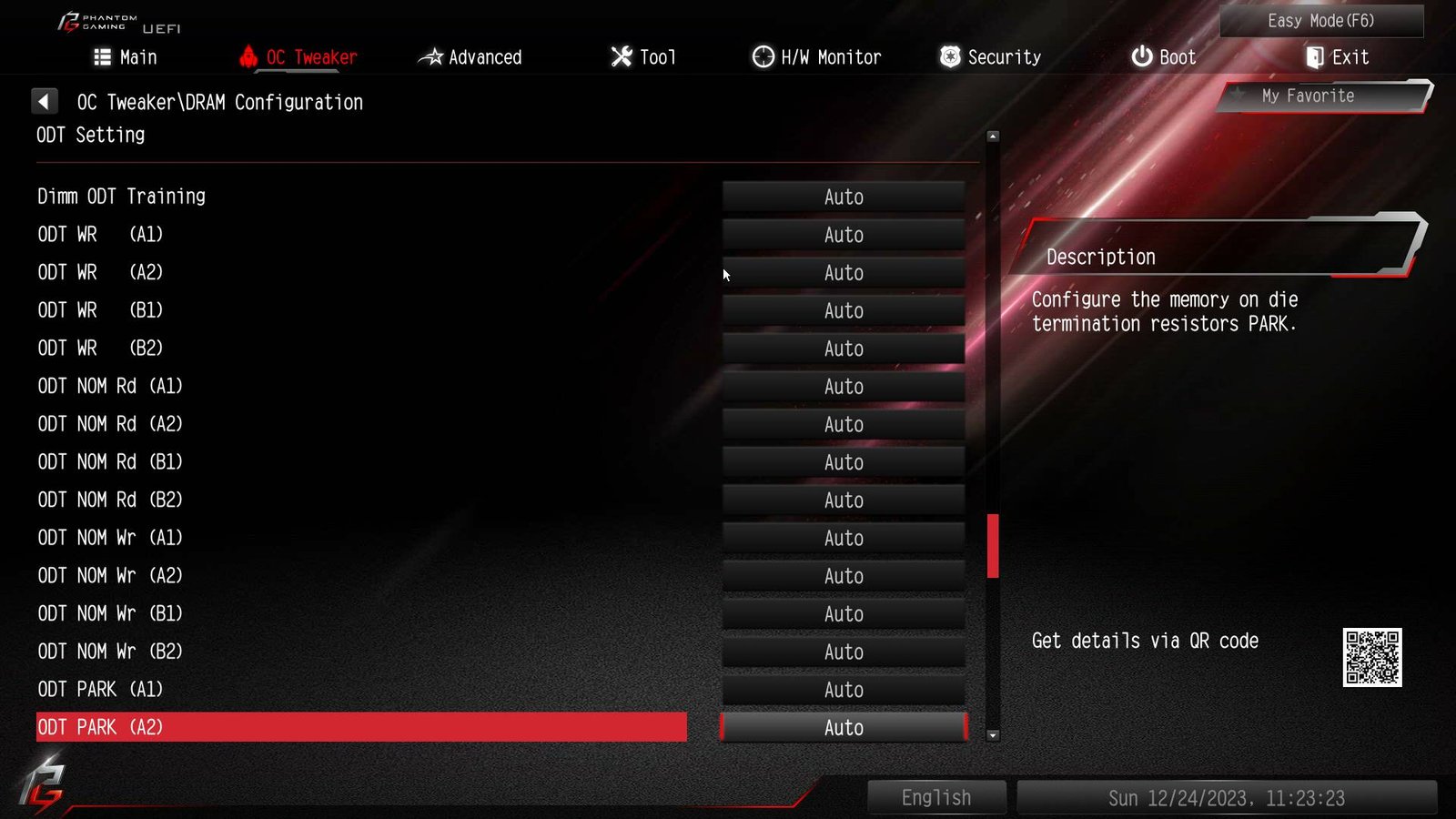
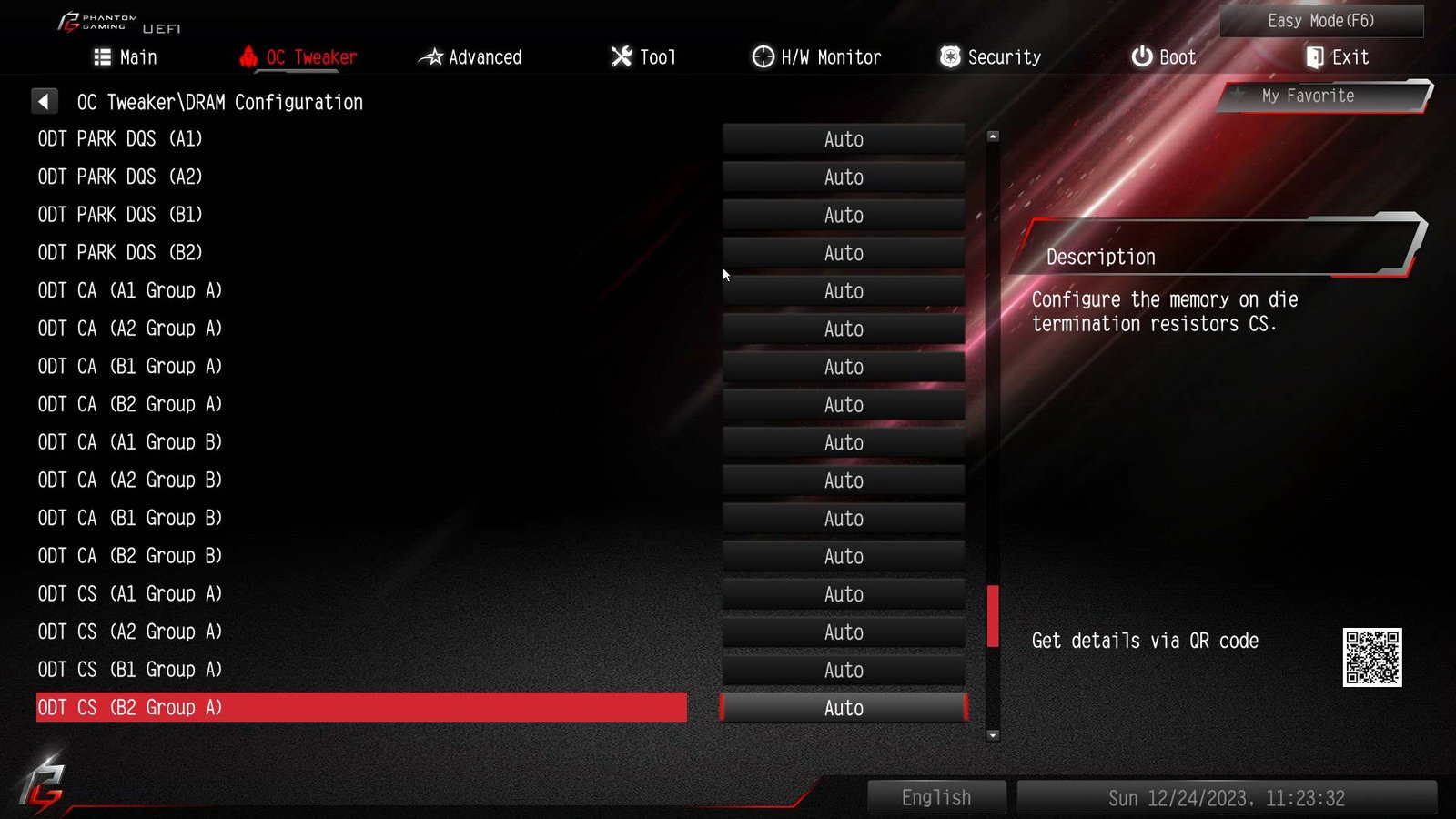
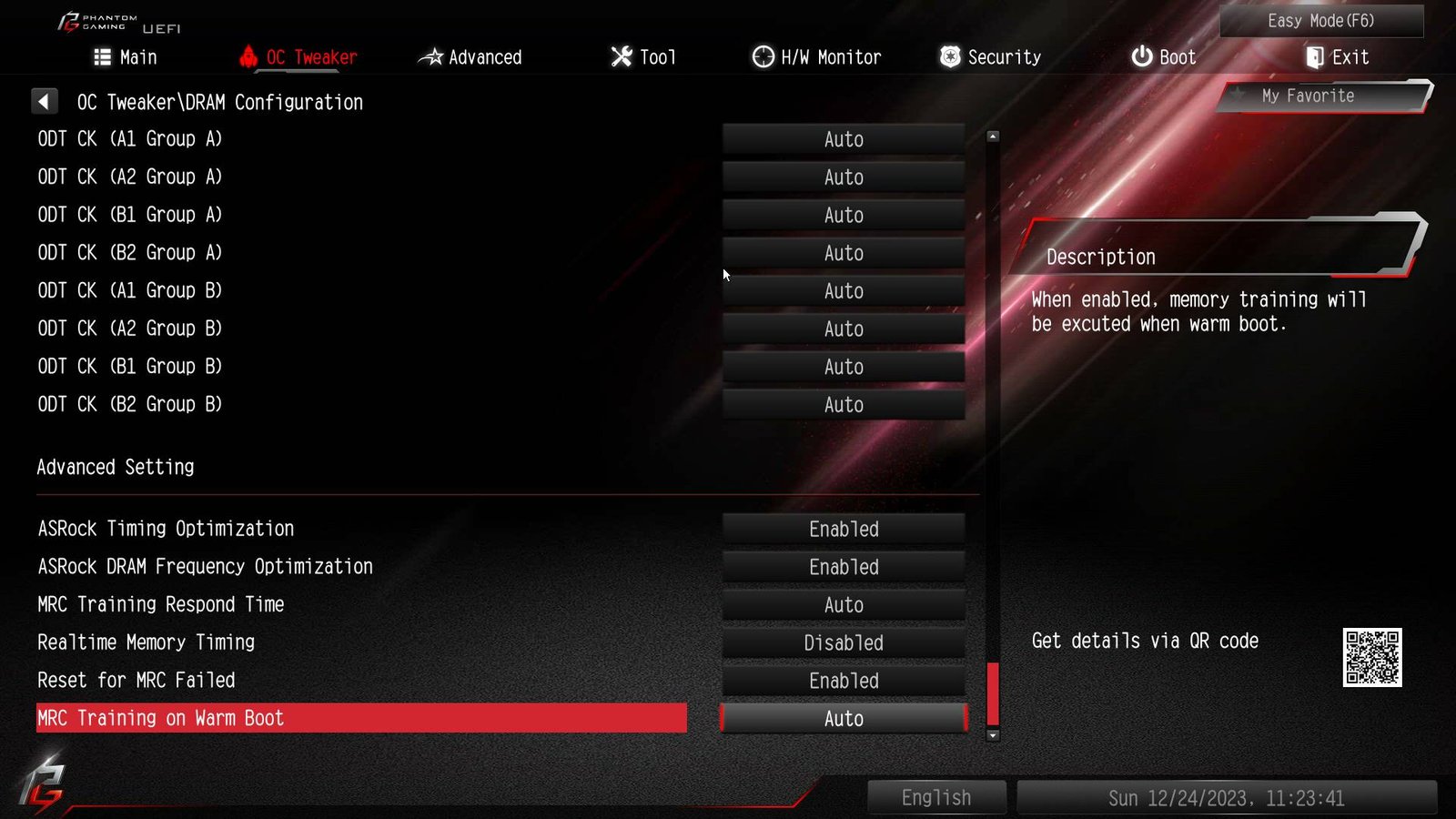
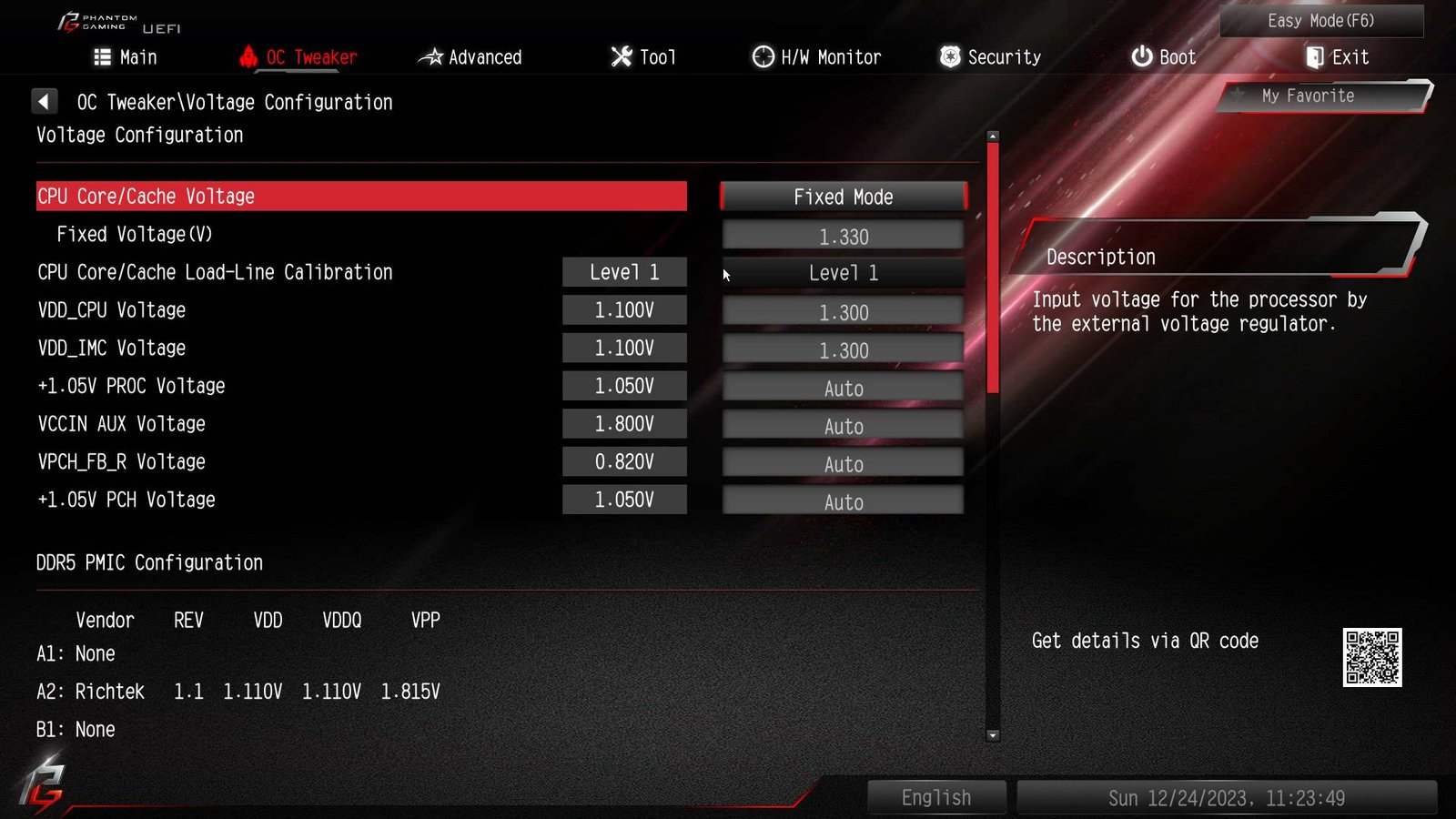
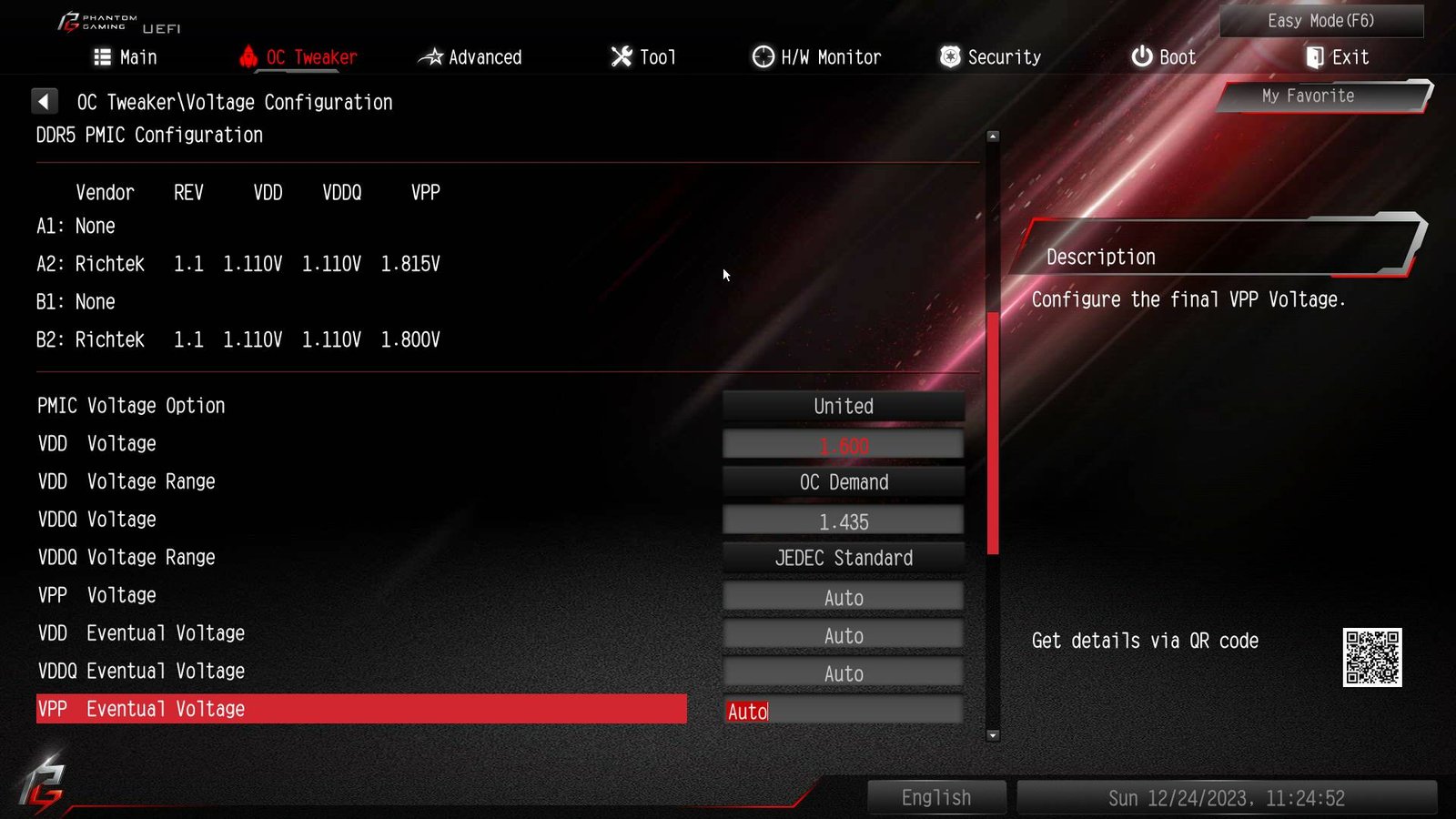
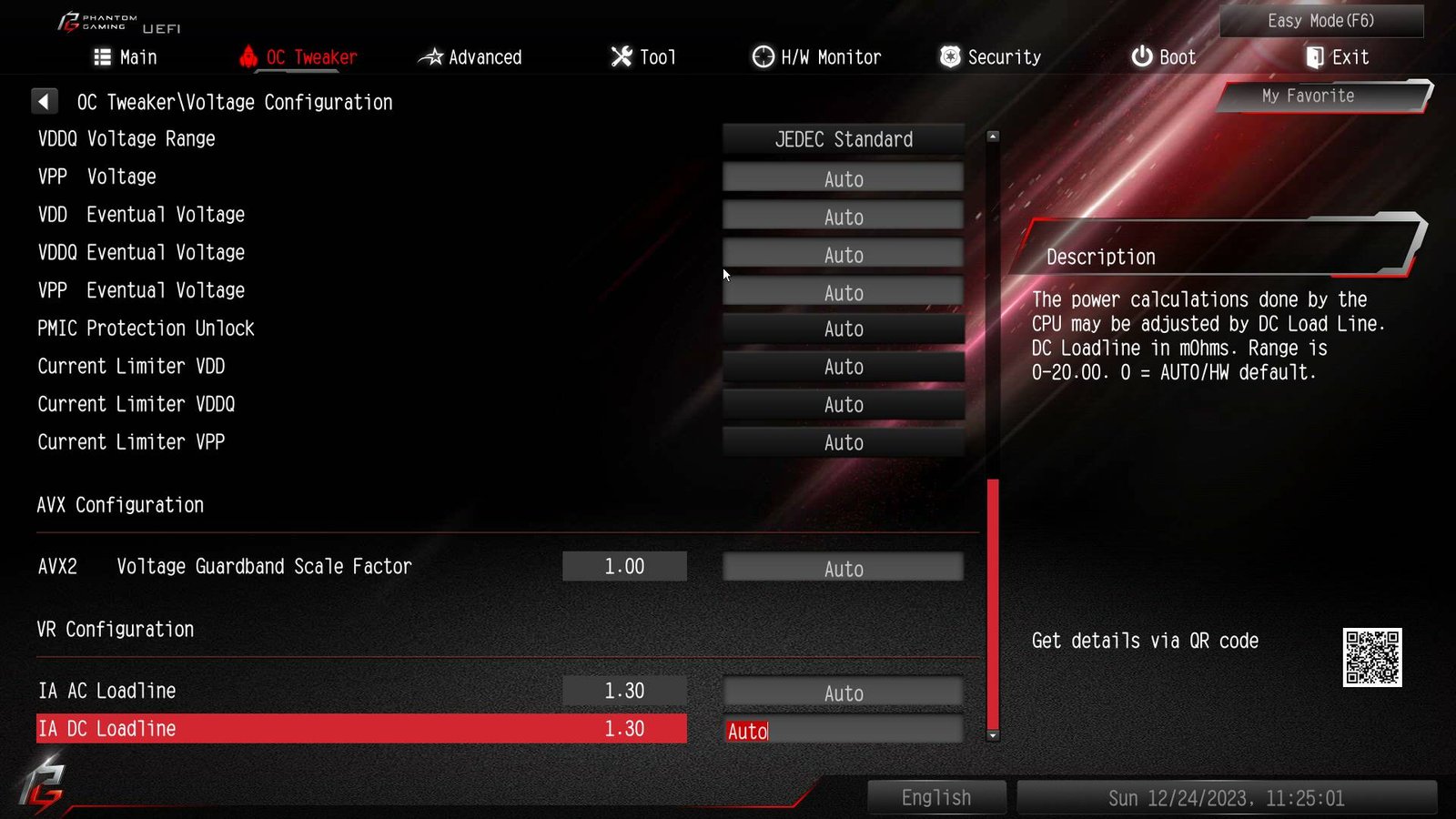
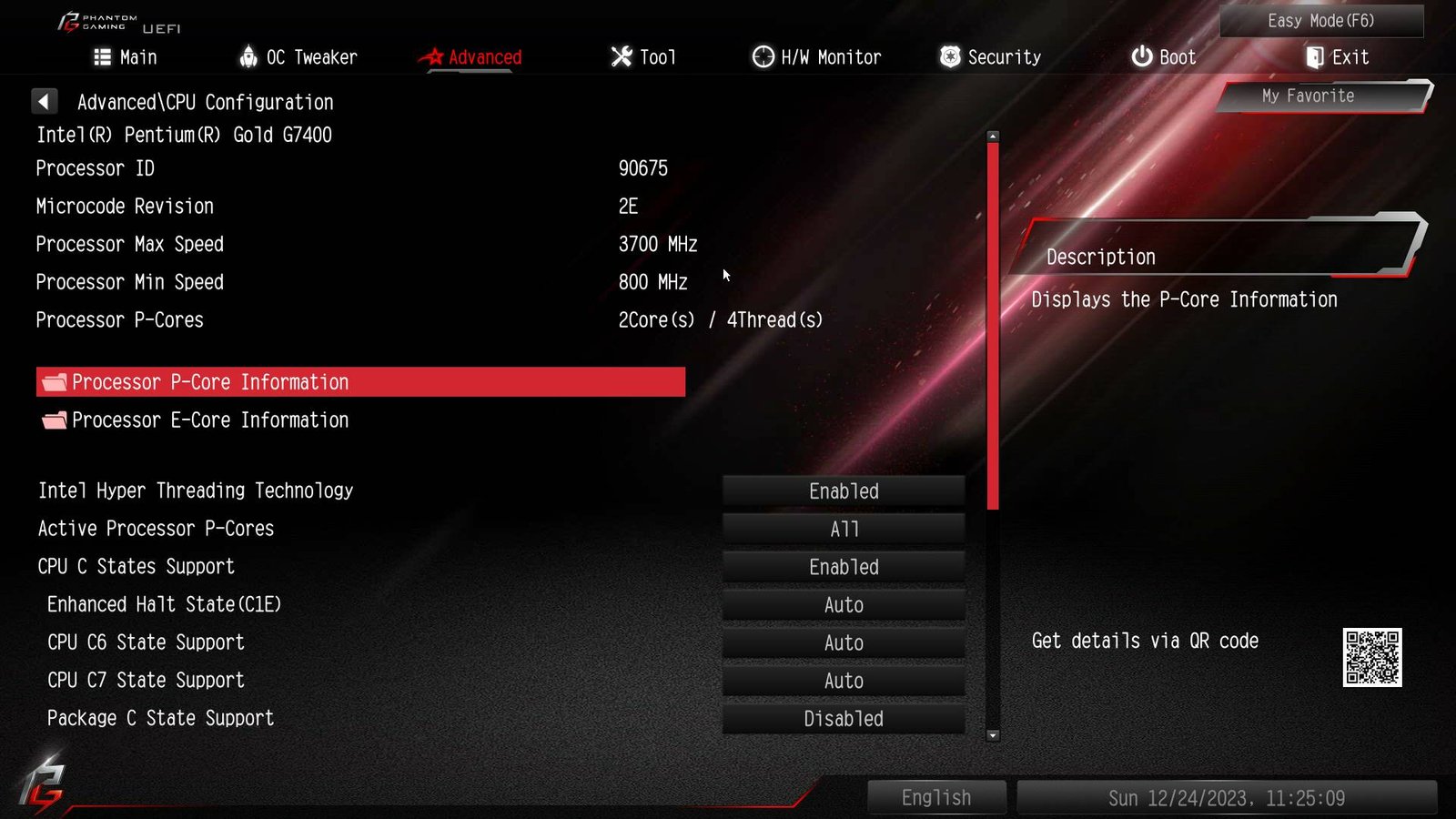
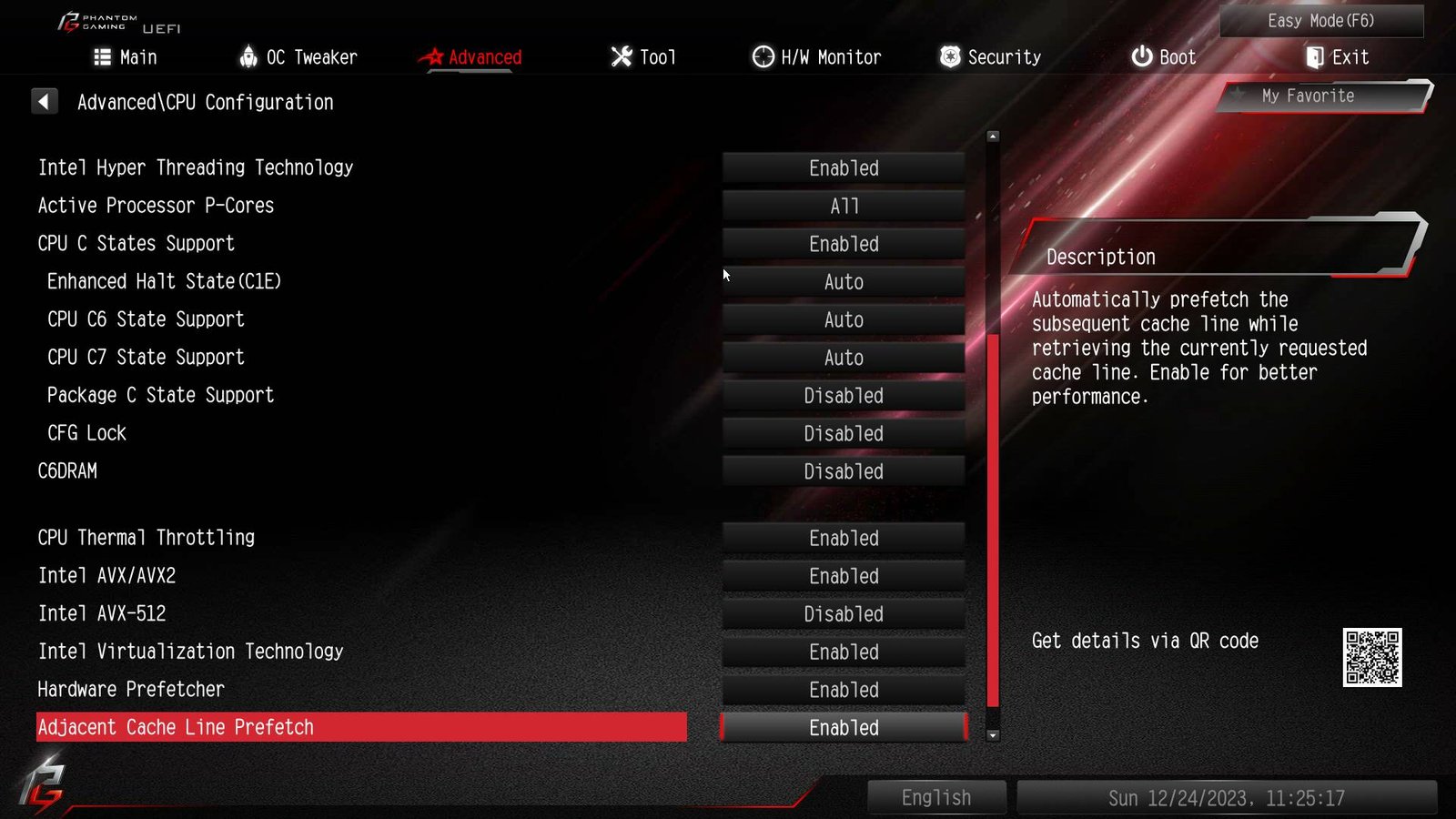
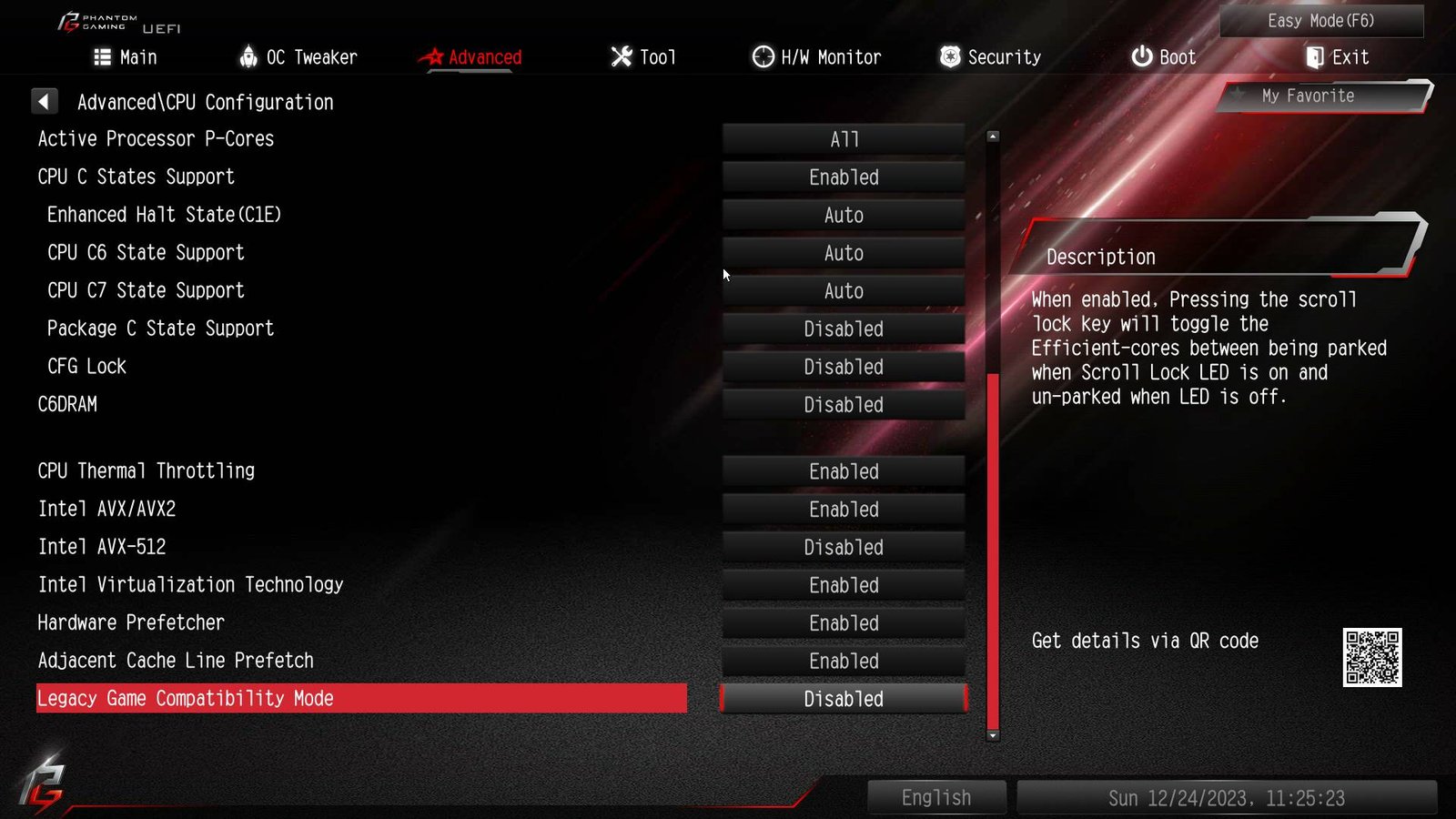
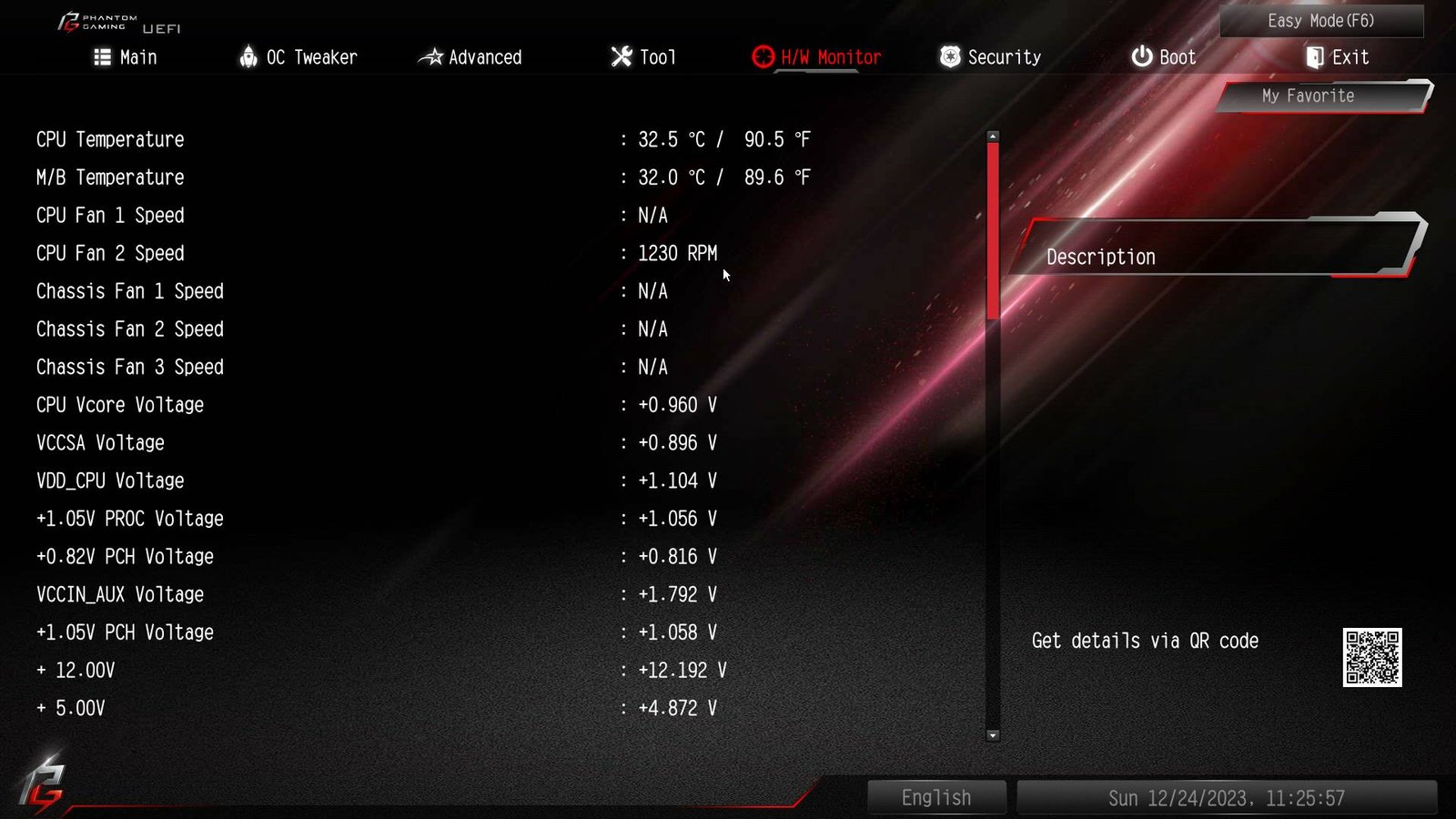
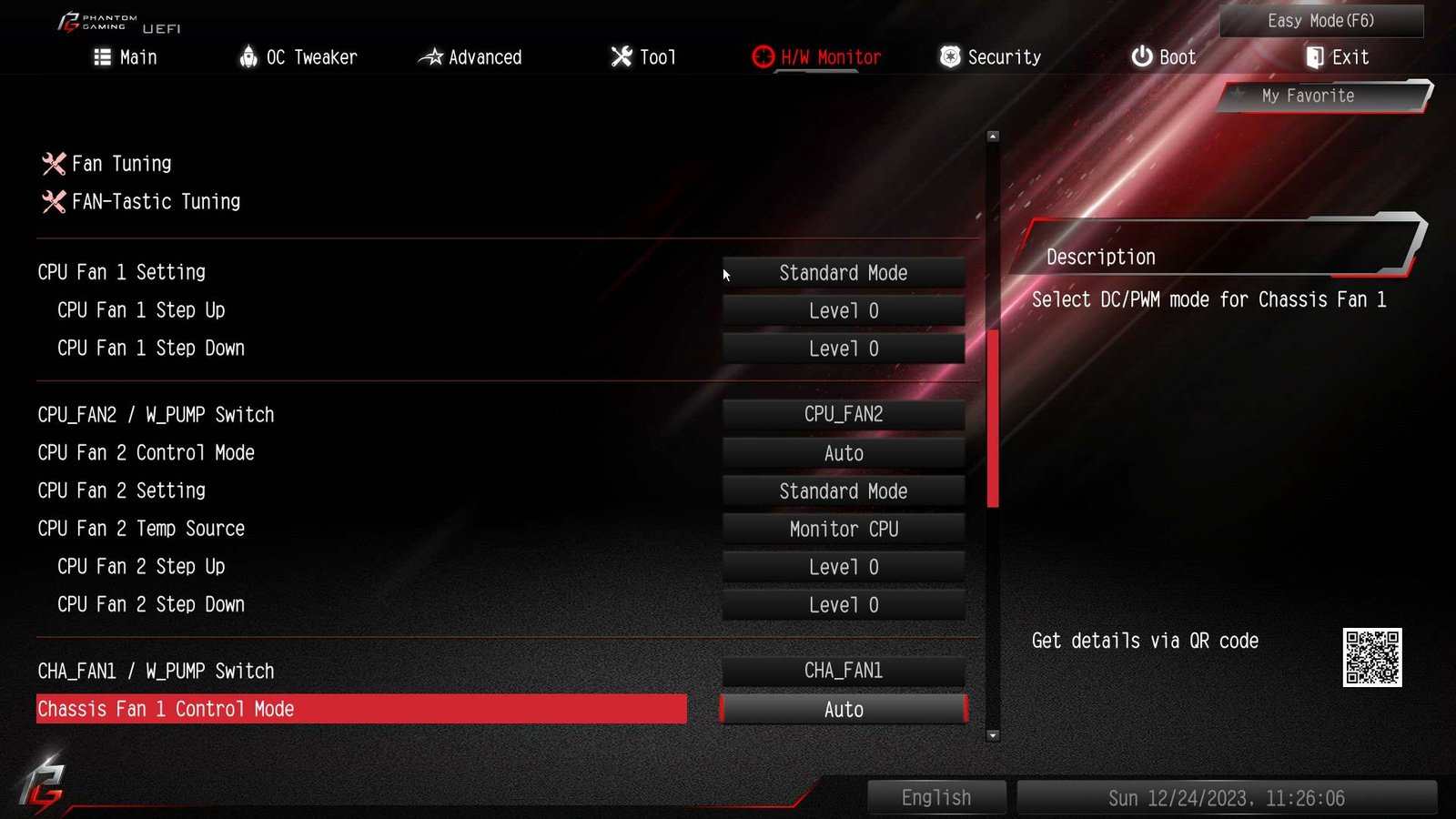
Regarding the UEFI, its interface is well-crafted, featuring a visual design similar to that of the ASRock B660 PG Riptide, as both belong to the “Phantom Gaming” series.
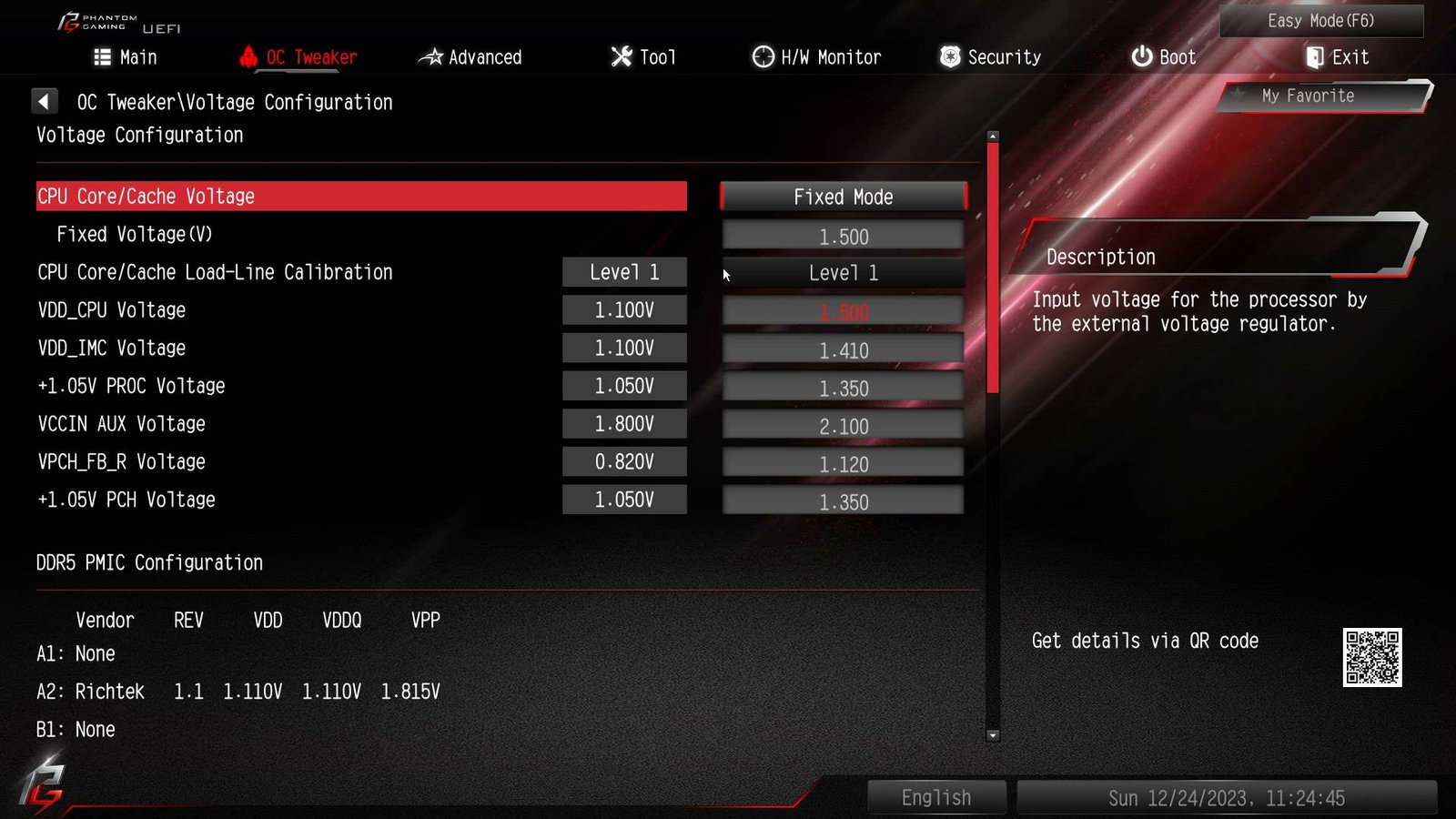
Regarding the primary voltage adjustments, the CPU Core/Cache can be adjusted up to 1.5V, VDD_IMC (not to be confused with VCCSA) up to 1.41V, VCCIN AUX up to 2.1V, +1.05V PROC up to 1.35V, +0.82V PCH up to 1.12V, and +1.05V PCH up to 1.35V. It’s possible to go beyond these voltages if using a “K” series CPU. In this case, activating the “Voltage OC Mode” extends the limits to be similar to those of the B660, with the maximum Vcore exceeding 2V.
It’s important to emphasize that “Non-K” CPUs do not feature VCCSA adjustment, a capability restricted by Intel exclusively to “K” series CPUs. This results in limitations on the maximum memory frequency for some CPUs. It’s crucial to note that this is not a limitation of the motherboard but rather a restriction imposed by Intel.
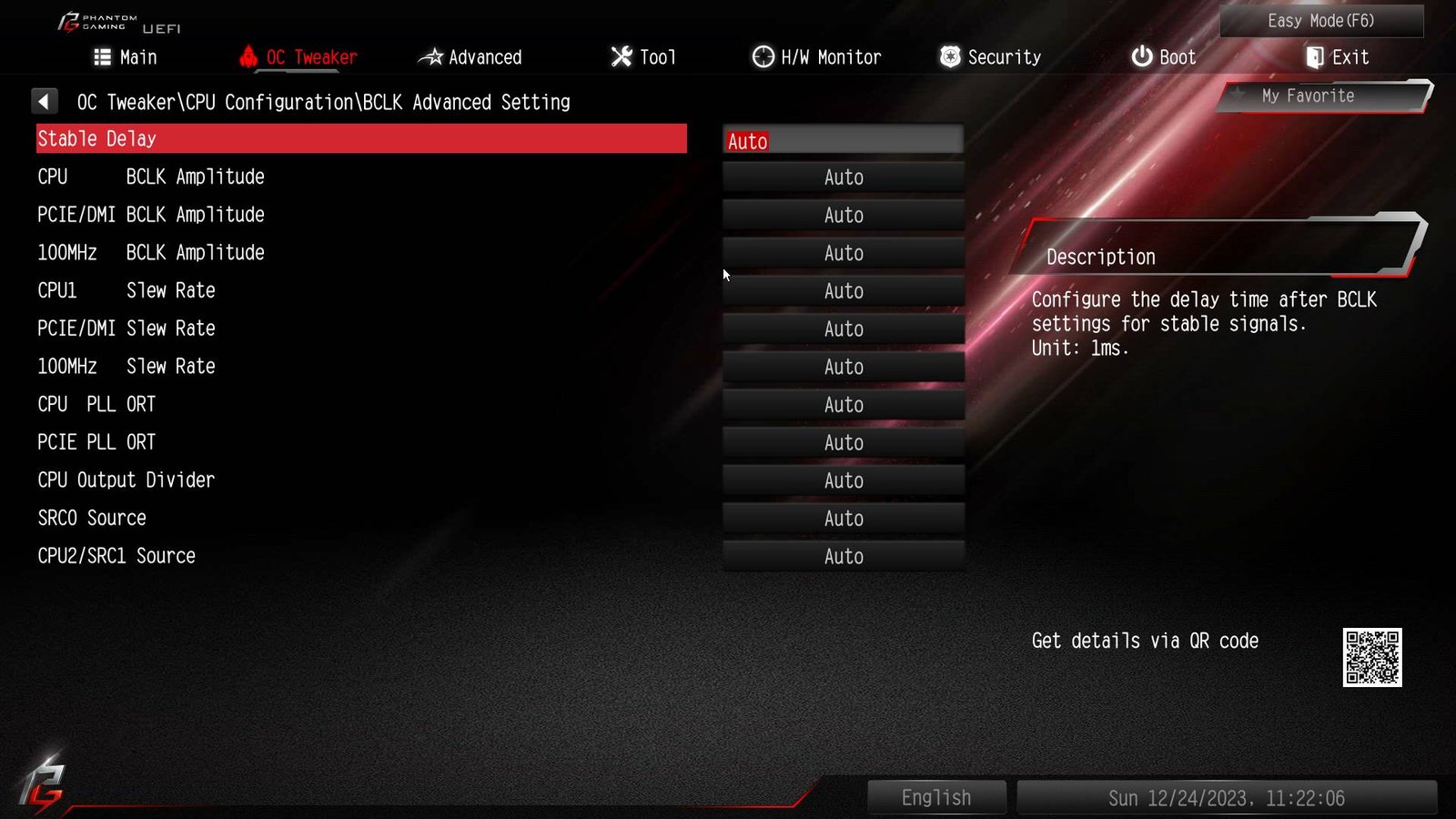
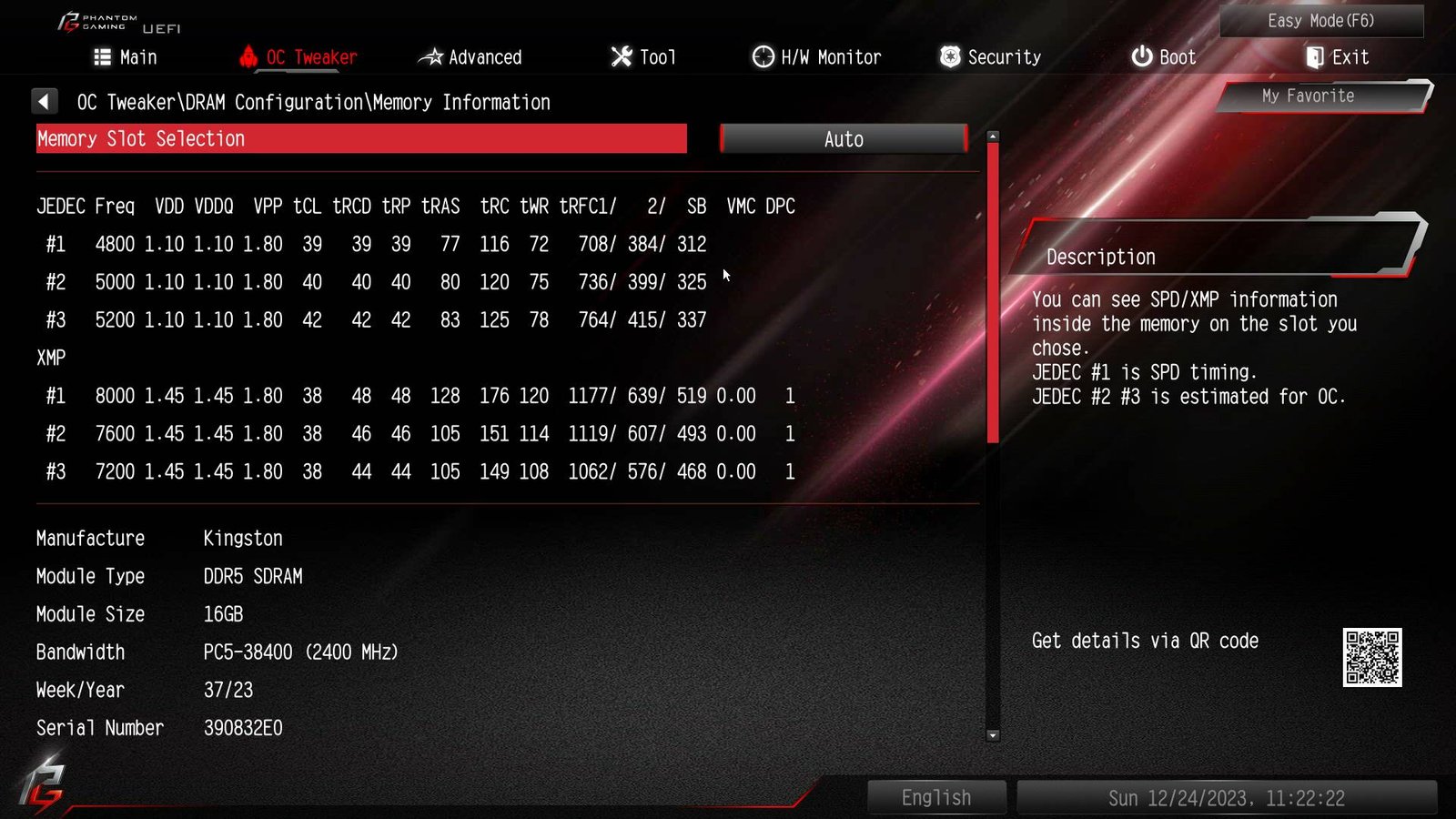
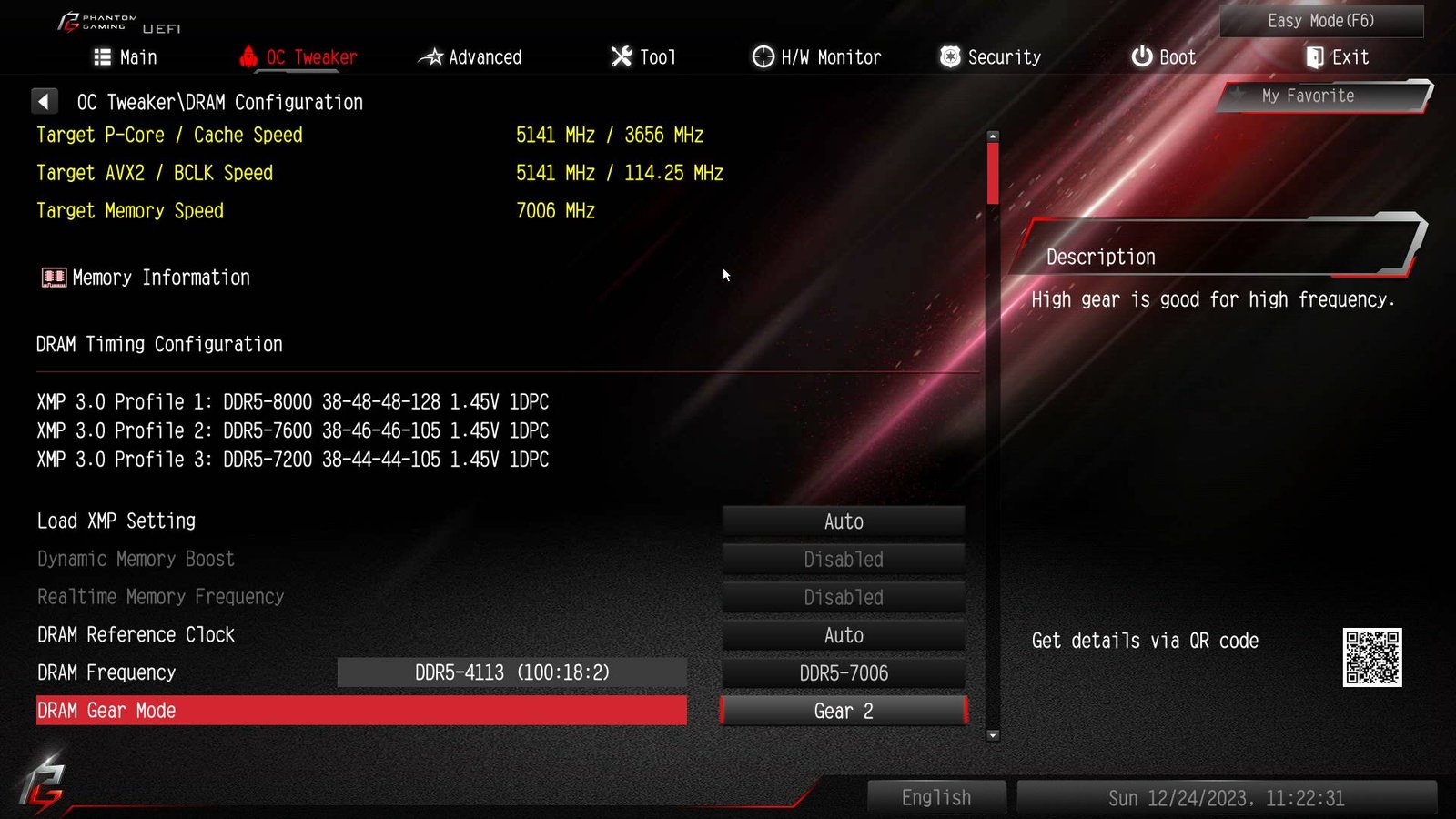
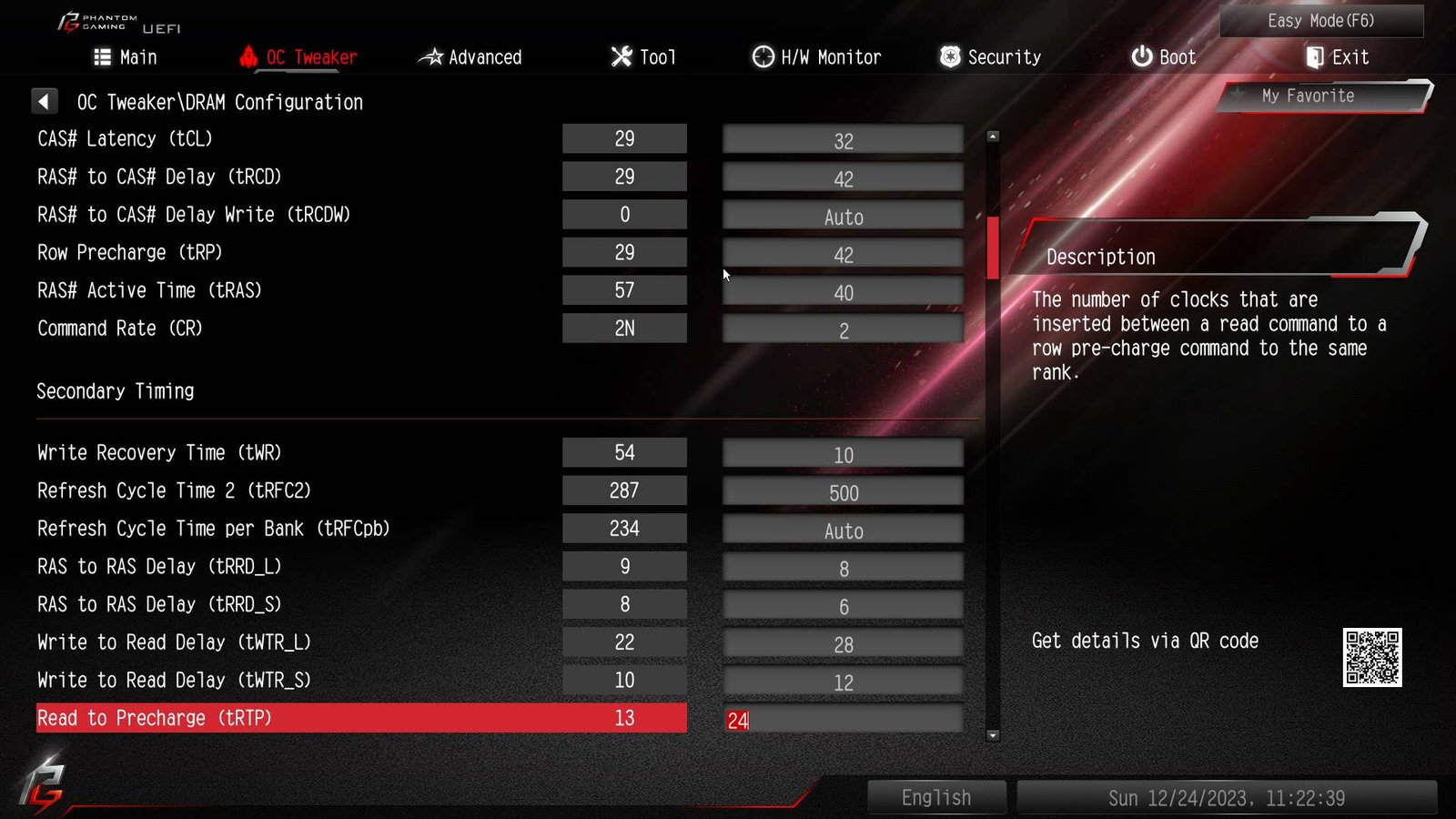
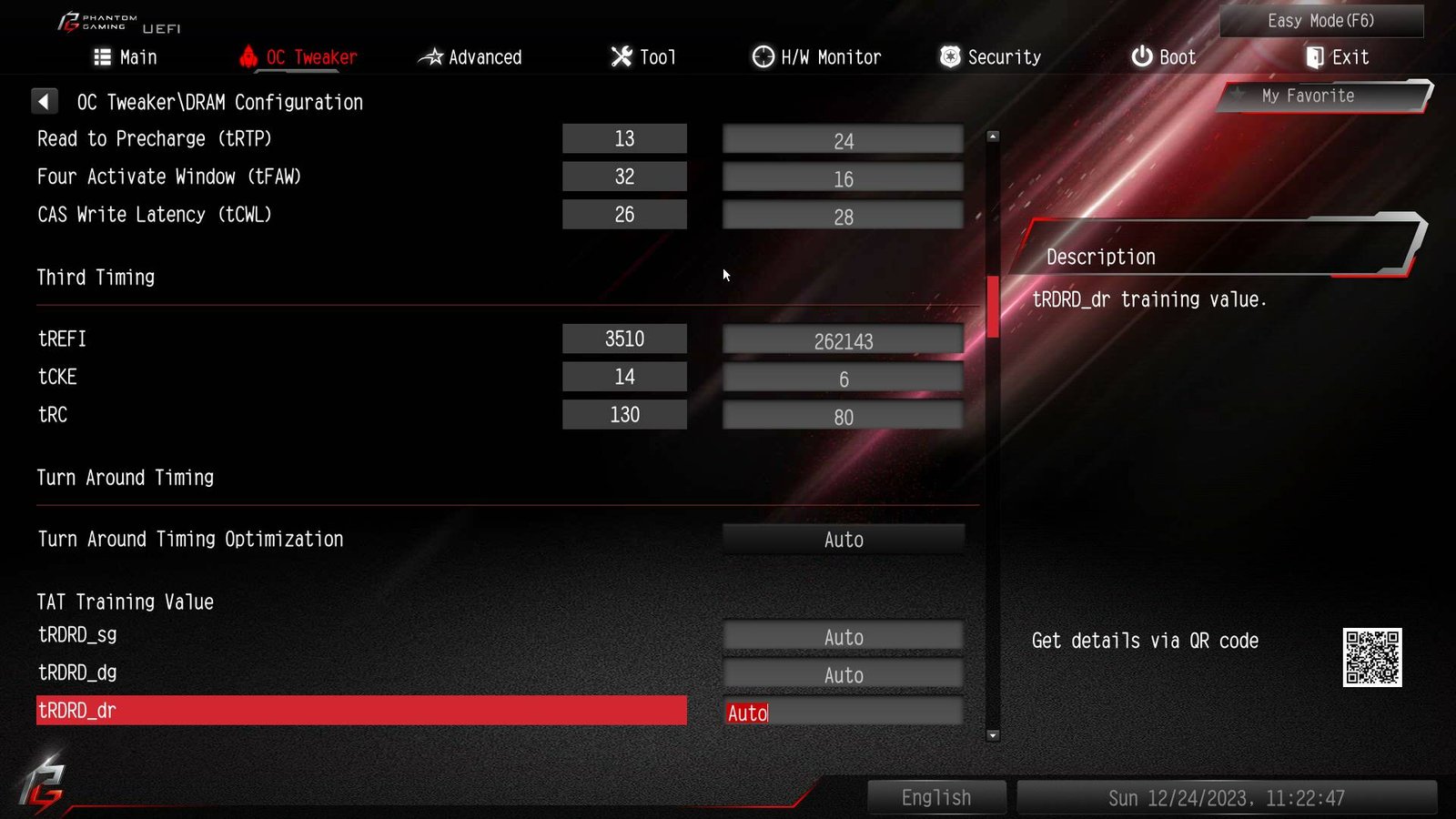
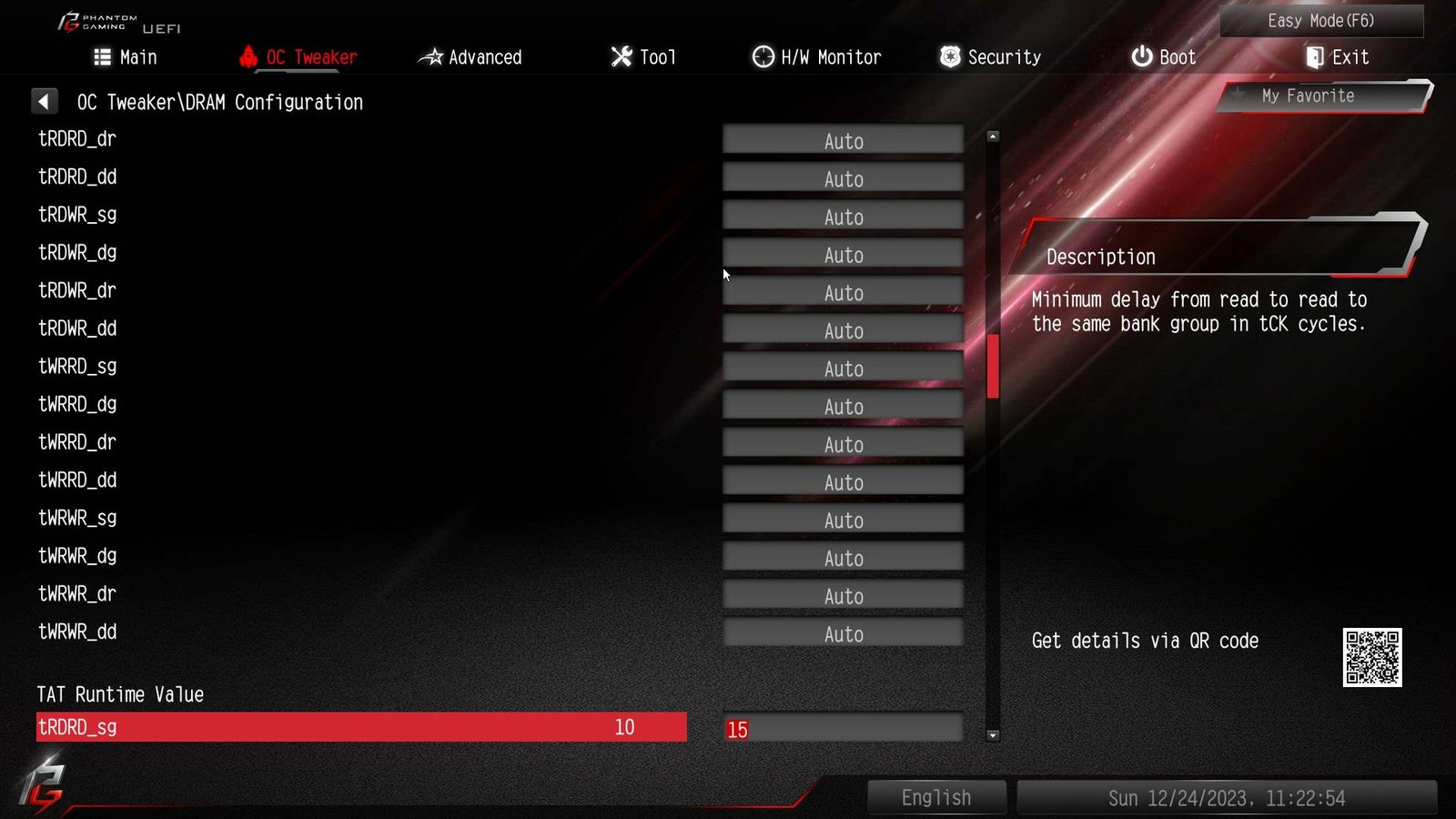
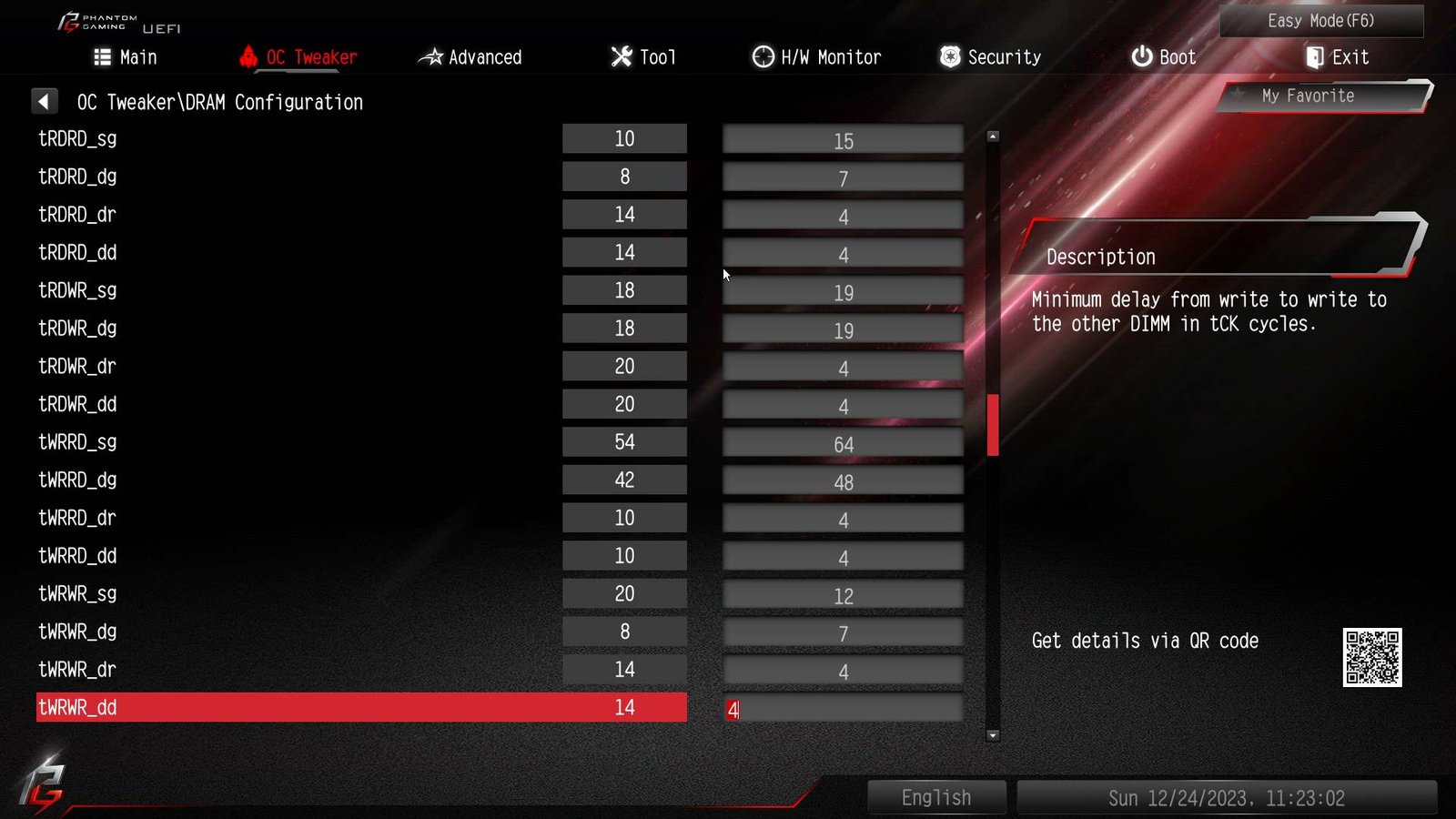
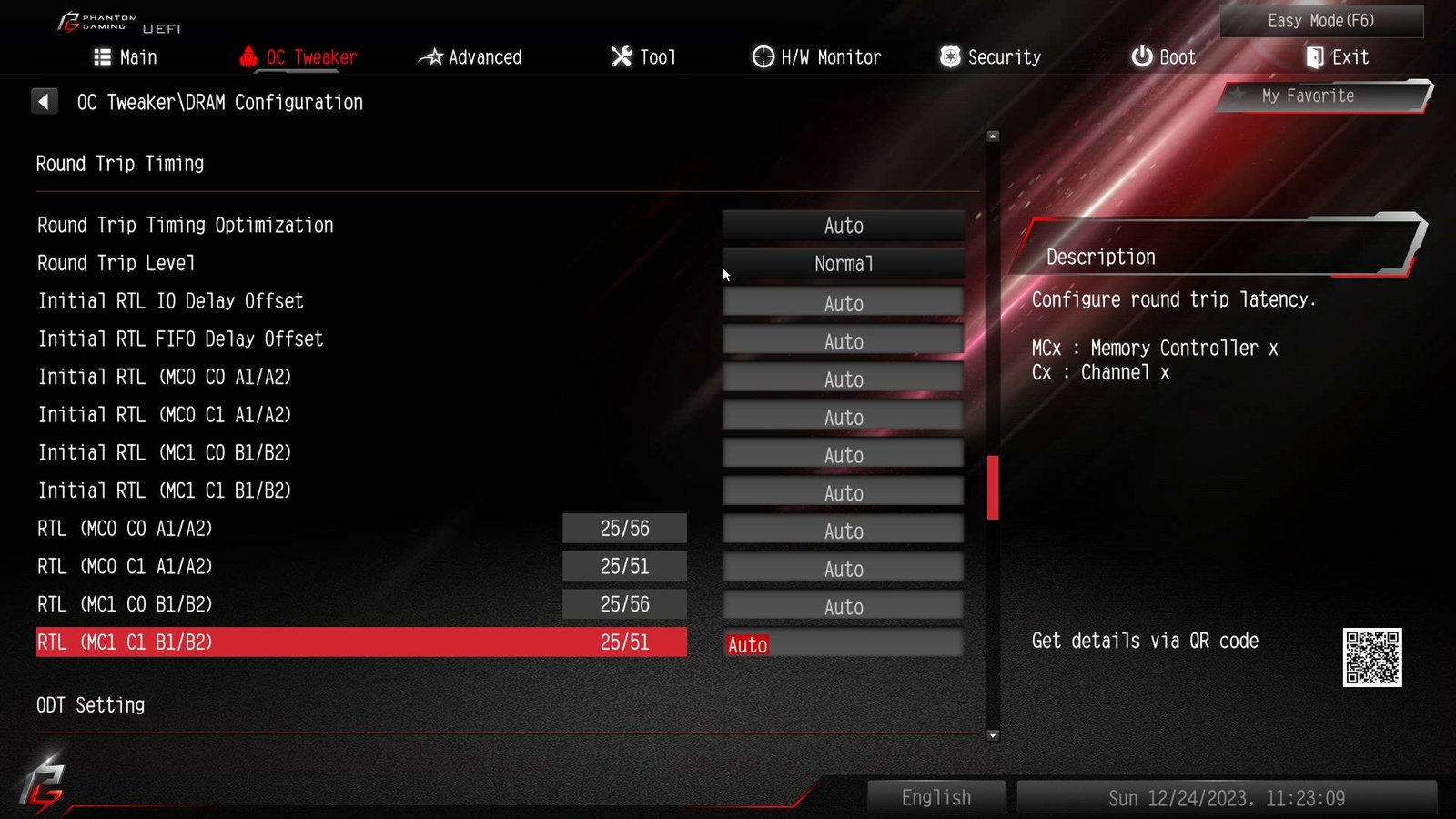
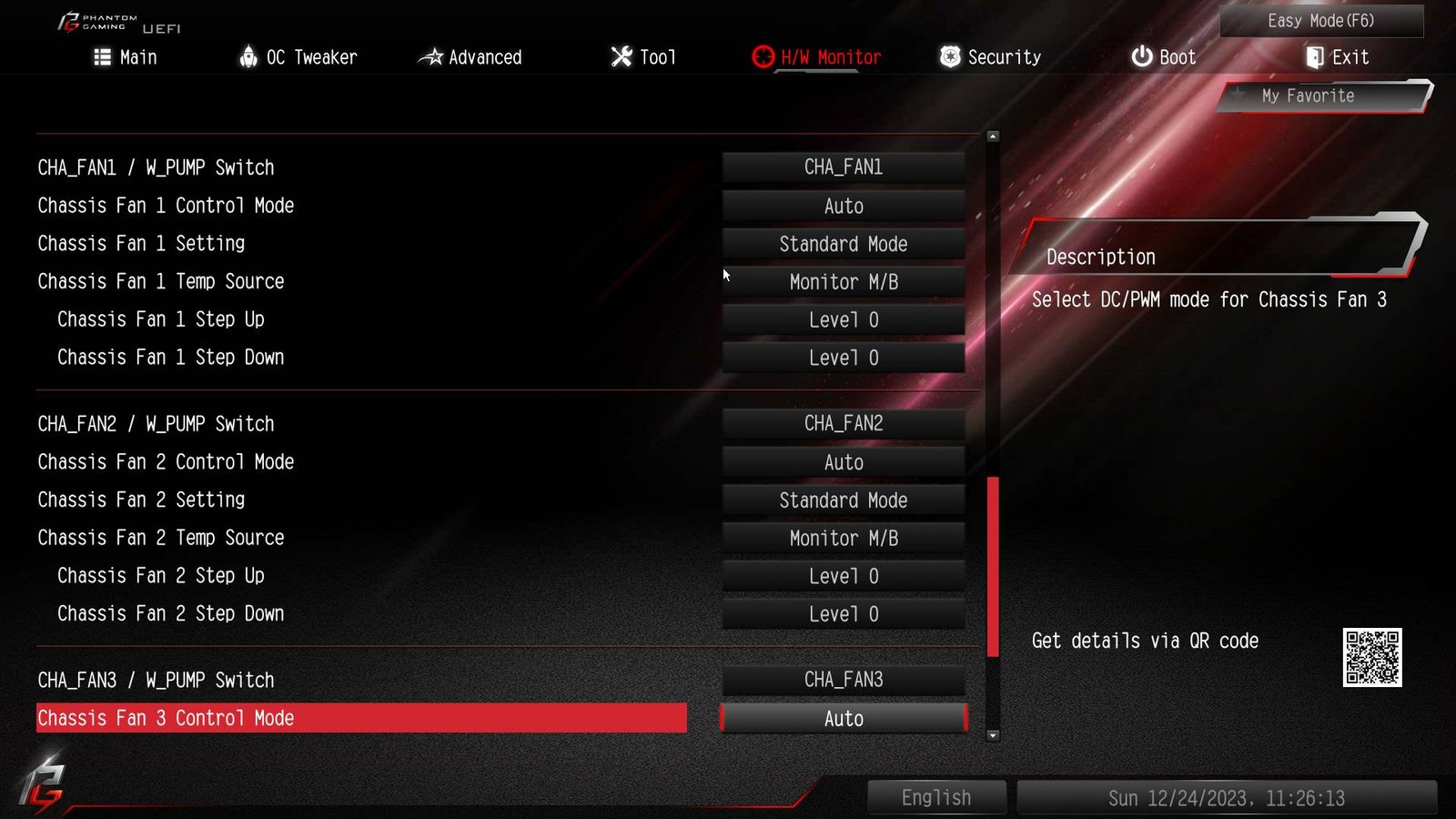
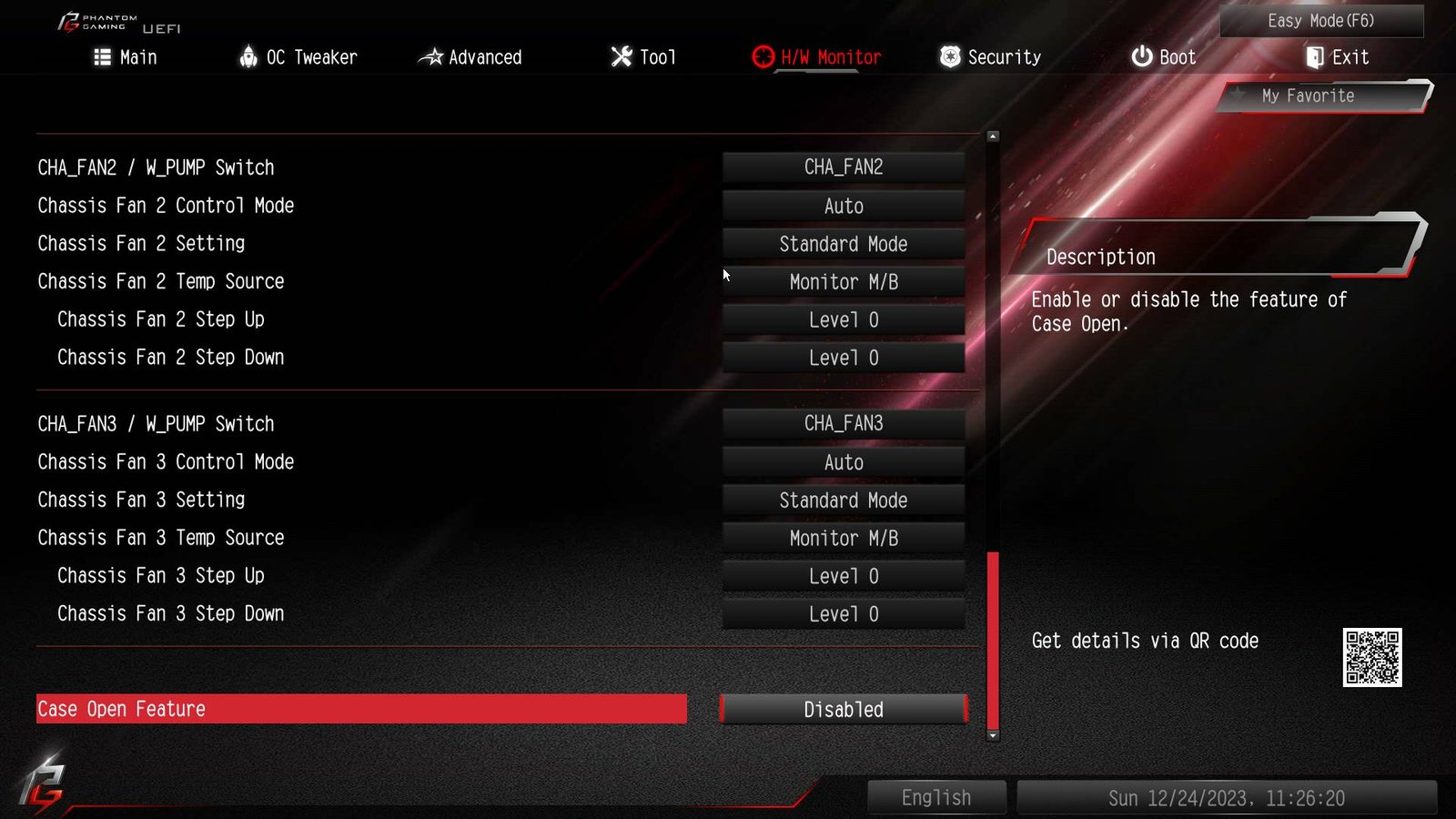
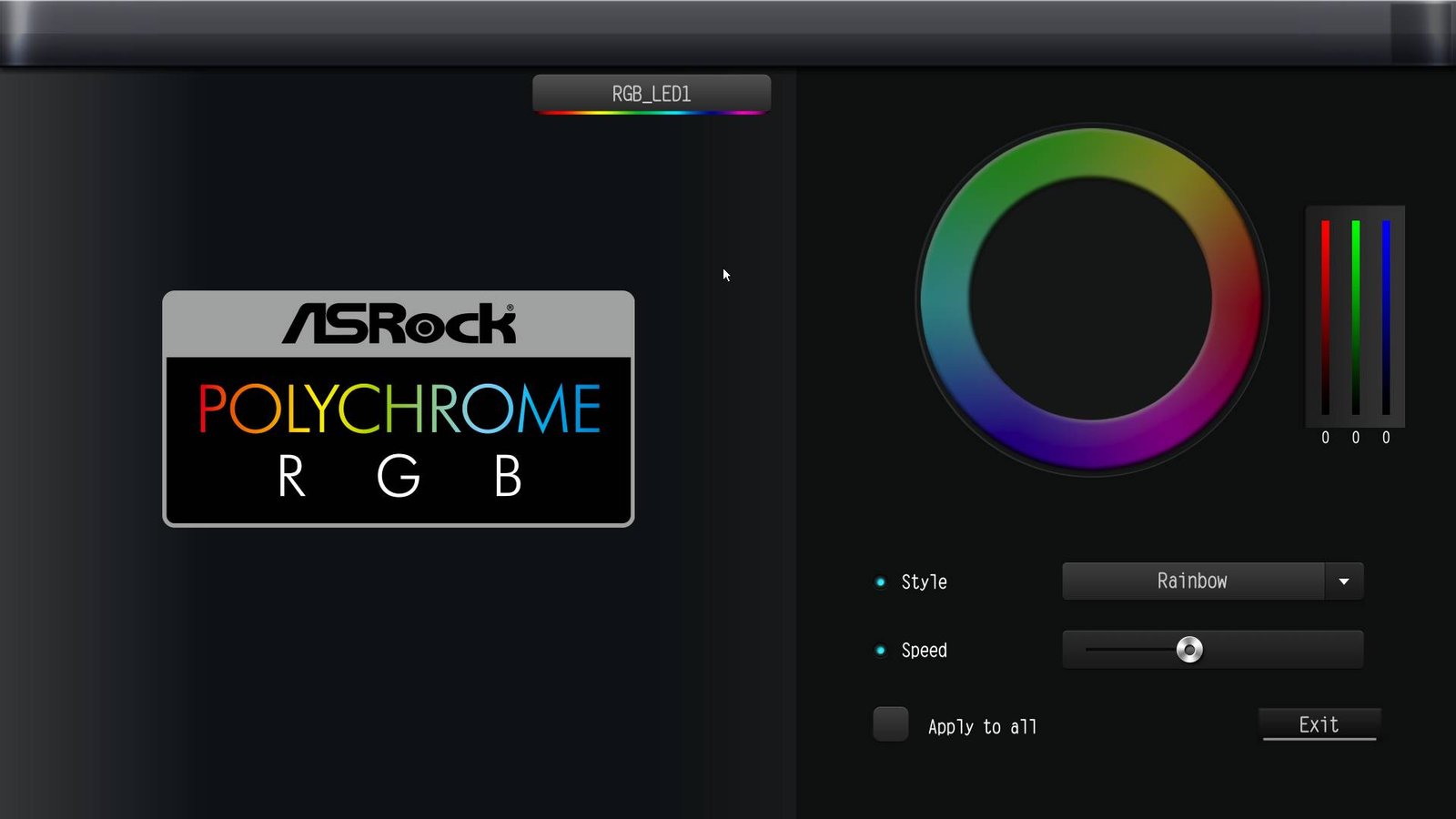
In addition, ASRock provides software called “Phantom Gaming Tuning” which allows users to utilize automated operation profiles, make overclocking adjustments (frequency and voltage) directly through the operating system, and customize fan curves along with system information monitoring.


Here is the link to the manufacturer’s website where the product specifications are listed.
Interested in purchasing this motherboard? If you use one of the links below, you can support the website/channel to continue bringing you content.
AMAZON – ASRock B760M PG Riptide
ALIEXPRESS – ASRock B760M PG Riptide
Hardware used:
CPU: Core i5 12600K / Core i9 12900K
MOBO: ASRock B760M PG Riptide
RAM: 2x16GB Kingston Fury Renegade 8000 CL38 (Hynix A-Die) – Obrigado Kingston!
GPU: 51RISC RX 6600M
PSU: Antec Truepower Quattro 1200W
COOLER: Water Cooler Custom
STORAGE: SSD Crucial BX300 120GB e Netcore 2TB (Obrigado Netcore!)
Extra equipments: ElmorLabs PMD / ElmorLabs KTH-USB
Software: Windows 11 x64, Benchmate 10.12.2, Blender 4.0, Crystalmark 8.0.4 x64, HWiNFO 7.62
Testing purpose:
The purpose of this article is to assess whether the B760M PG Riptide is indeed a good motherboard by testing how its VRM performs under load, compatibility, and “non-K” overclocking with various processors and memory configurations. Finally, we will evaluate the performance of the M.2 and SATA connections.
Explanations regarding the adopted methodology or how the tests were conducted are provided in the texts accompanying the results that follow.
M.2/SATA performance:
To assess the performance of M.2 and SATA, Crystalmark 8.0.4 was employed. The intention here is to test whether the manufacturer has implemented these interfaces effectively, using SATA and NVMe drives capable of reaching the bandwidth limits provided by these buses.
M.2:
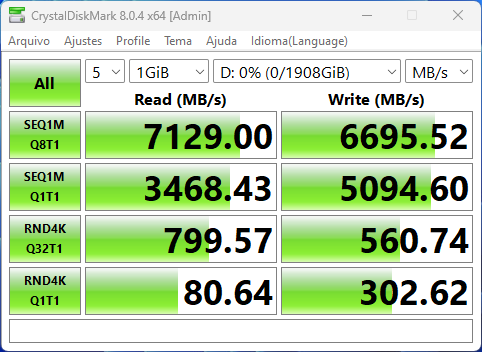
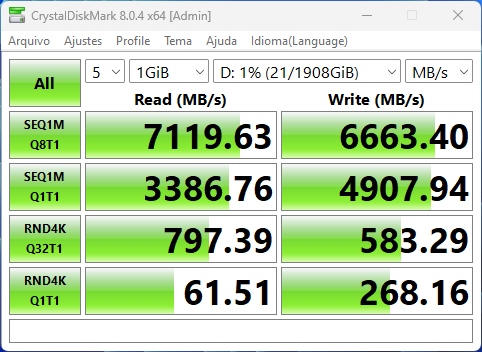
Both M.2 slots deliver adequate performance for any PCI-E 4.0 NVMe SSD available in the market. The only observation is that NVME_2 exhibited slightly lower performance in random reads/writes with 4K files, 1 task, and 1 thread compared to NVME_1, a phenomenon also observed on the B660 motherboard.
SATA:

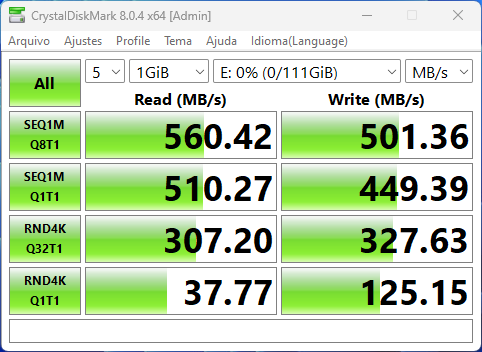
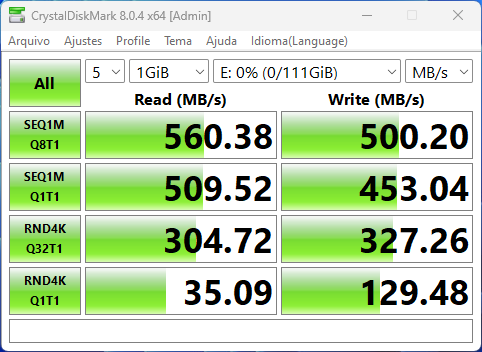
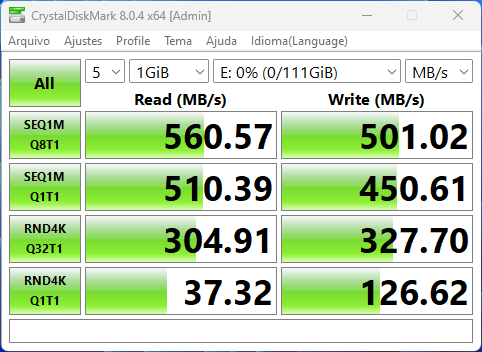
Similar to the M.2 slots, it was also possible to reach the limit of the SATA ports, with their performance being very close to each other.
Memory compatibility and “non-k” overclocking:
As mentioned earlier, one of the major highlights of this motherboard is its external clock generator, allowing overclocking on 12th generation CPUs, including “non-K” models. This is particularly interesting because, despite being in the 14th generation, many “non-K” models retained similar specifications. For instance, the i3 12100F and the i3 13100F have only a 200 MHz boost difference in favor of the more recent model. However, on this motherboard, the older model becomes a better choice due to the “non-K” overclocking, easily surpassing 5 GHz without major difficulties – a feat not possible with 13th generation CPUs onwards.
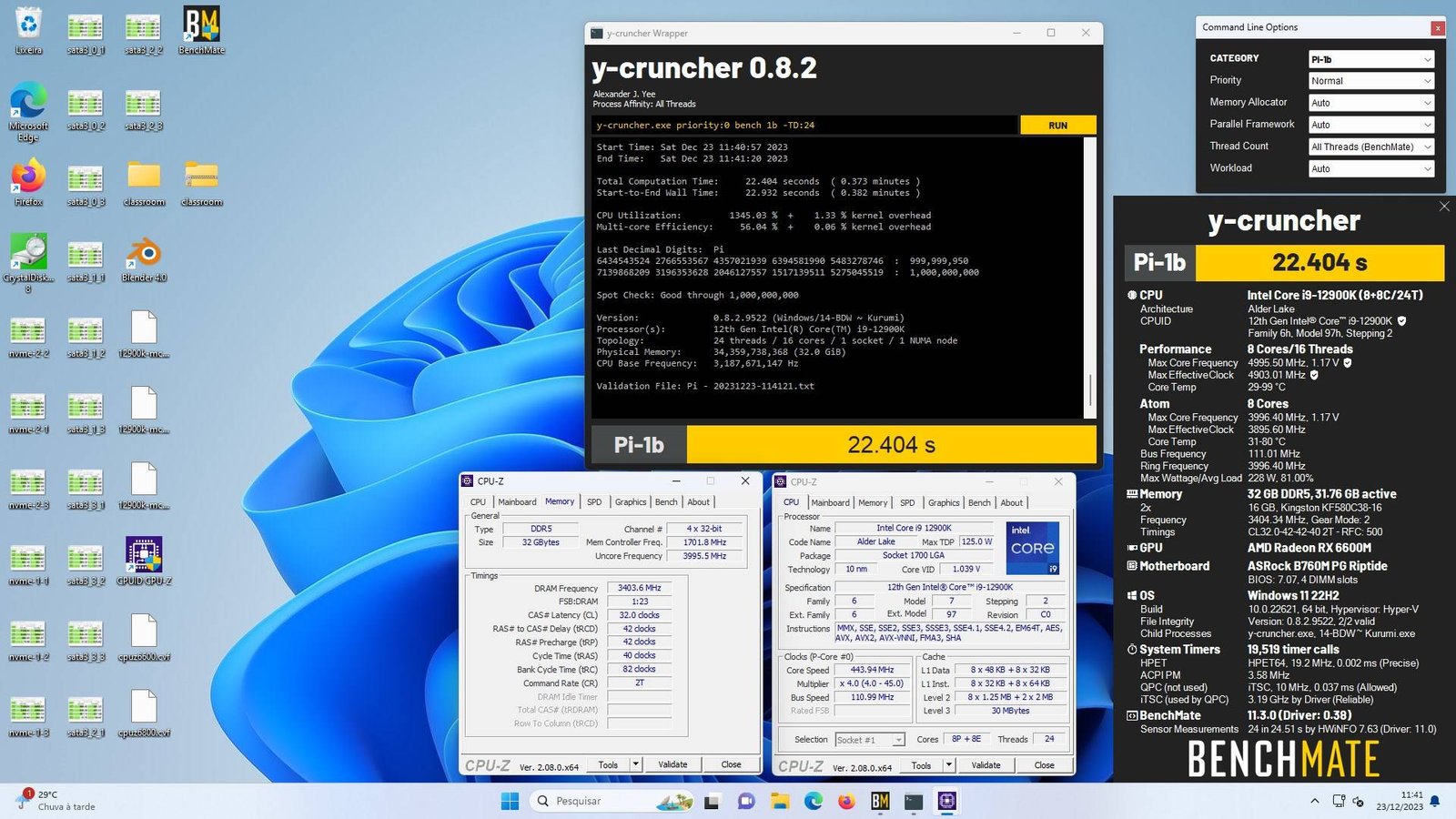
The initial observation pertains to the BIOS. In contrast to ASUS, which removed the “OC Non-K” functionality from its latest BIOS versions for Z690 boards, ASRock has taken a different stance. Even when using the latest BIOS, such as P7.07, the functionality remains available and operational. However, some necessary options for achieving very high BCLK (150+) have been removed. With that said, the recommendation is that if you’re using a 12th-generation CPU and want to fully explore “non-K” overclocking, it may be beneficial to stick with an older BIOS version, such as P3.01.
Regarding memory, it was possible to achieve 6800 MT/s without major difficulties, and perhaps a bit more if the motherboard had VCCSA adjustment, even though restricted to “K” CPUs. Unfortunately, we don’t have a 13th/14th generation “K” processor to verify if the promised 7200 MT/s is achievable. Nevertheless, the achieved speed is quite impressive considering the limitations, especially given that this is a 2DPC motherboard with a 6-layer PCB.
VRM and temperature:
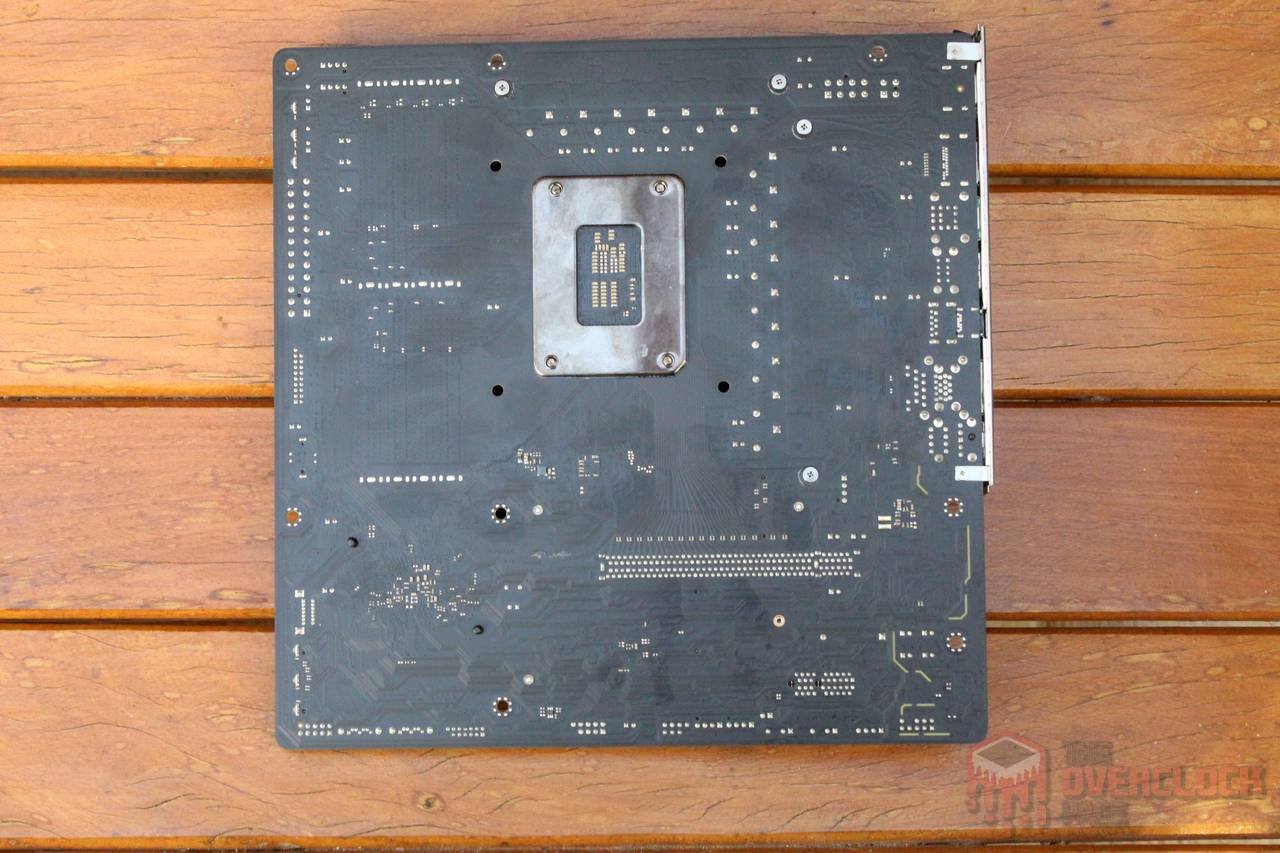
To monitor VRM temperature, a type K thermocouple with an adhesive thermal pad was installed on the back of the motherboard, just below one of the phases, as depicted in the photo below.
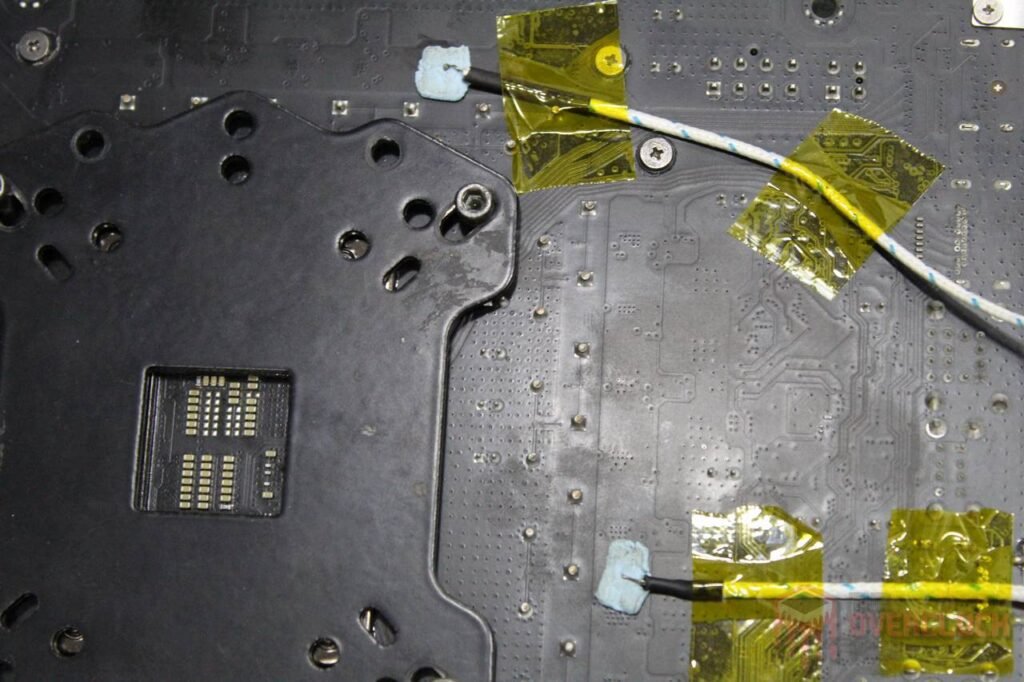
Blender was used to render the “Classroom” demonstration for half an hour, with HWiNFO employed to monitor and log the system’s vital signs during the test. Additionally, the ElmorLabs KTH-USB was used to log data from two thermocouples, with “1” located at the top and “2” positioned more on the side of the motherboard, covering both areas of the VRM.
It’s important to emphasize that these tests were conducted in an open-air test bench, and the “ambient temperature” inside a case tends to be higher, depending on the hardware used, the case’s ventilation design, and the room temperature where the computer is situated.

It was expected that the B760M PG Riptide would not encounter issues handling the i9 12900K with MCE enabled and current limits disabled – both situations that push the CPU towards the 300W range under load. After all, it shares the exact same VRM design and heatsink as the B660M PG Riptide, with the B760 showing slightly superior results to its predecessor. This difference could be attributed to variations in component quality or even the slight differences in the thermocouple positions between tests.
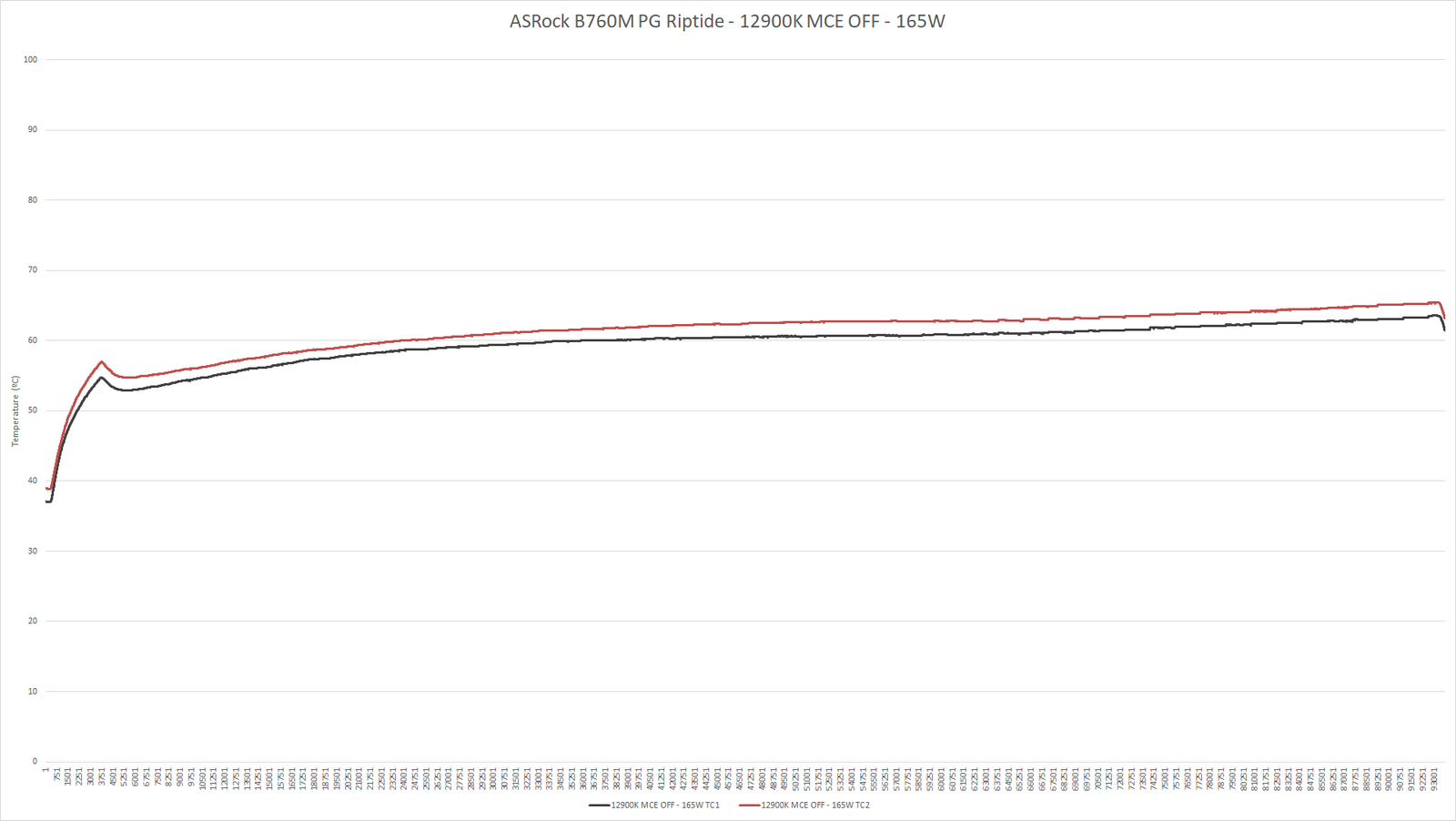
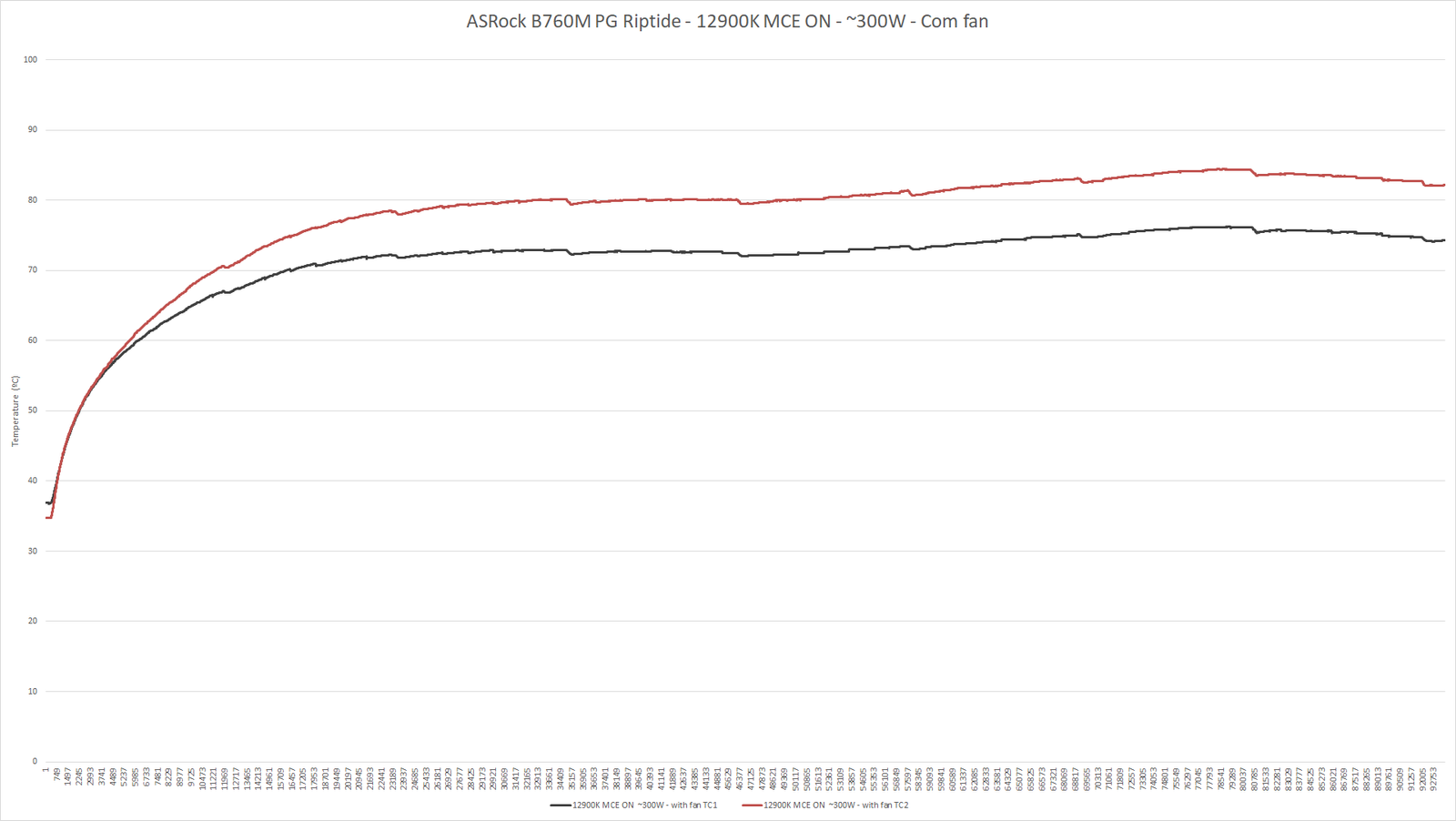
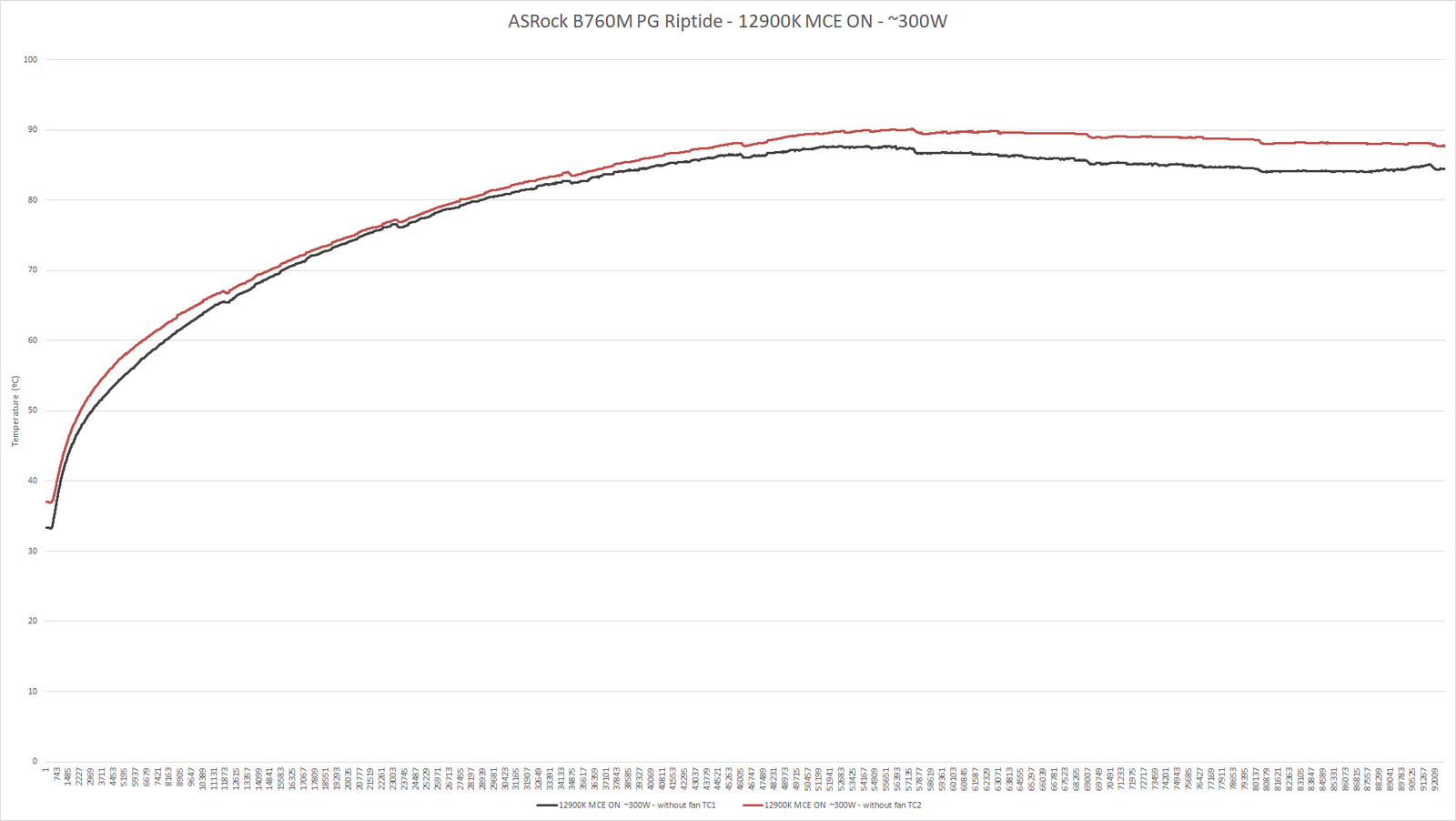
In summary, it’s safe to use a 12900K/13900K/14900K on this motherboard as long as you adhere to the factory parameters, meaning with current limits enabled and MCE off. Even with these settings deactivated, using the 12900K is still feasible, although in this case, it’s advisable to ensure a direct airflow over the VRM region. For smaller CPUs, the B760M PG Riptide should handle them without difficulties, provided proper cooling is maintained.
[Extra] Extreme overclocking:
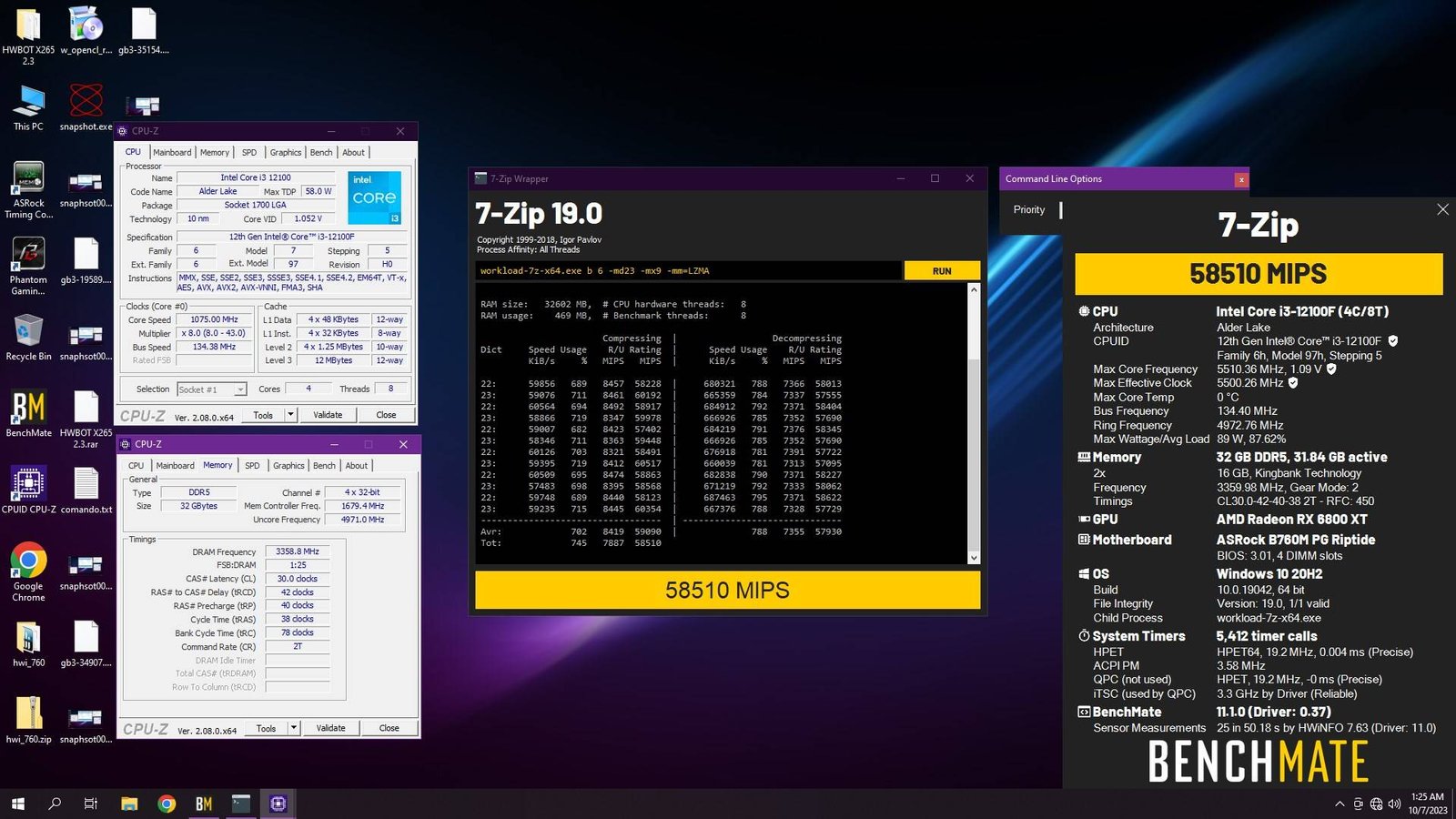
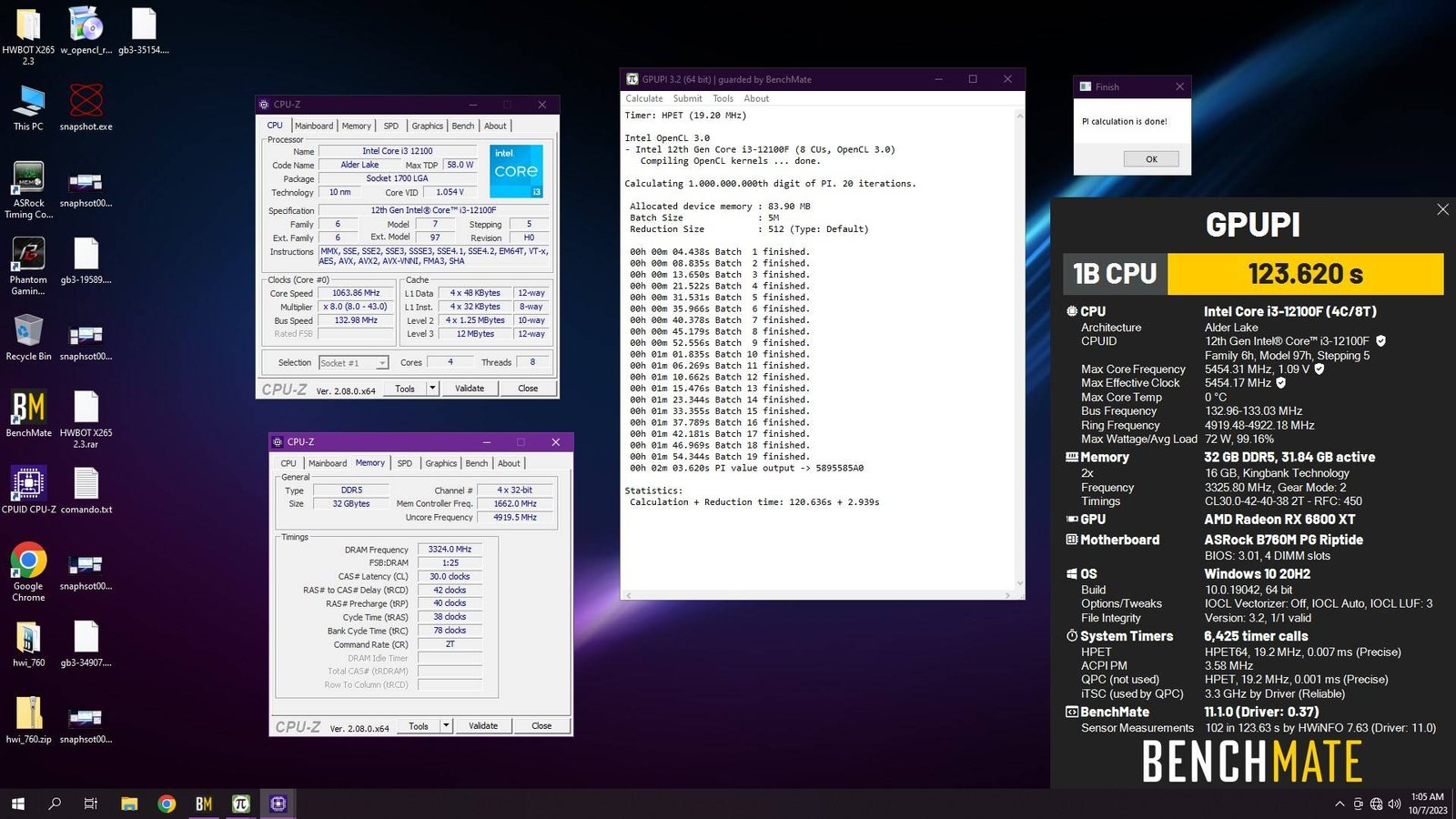
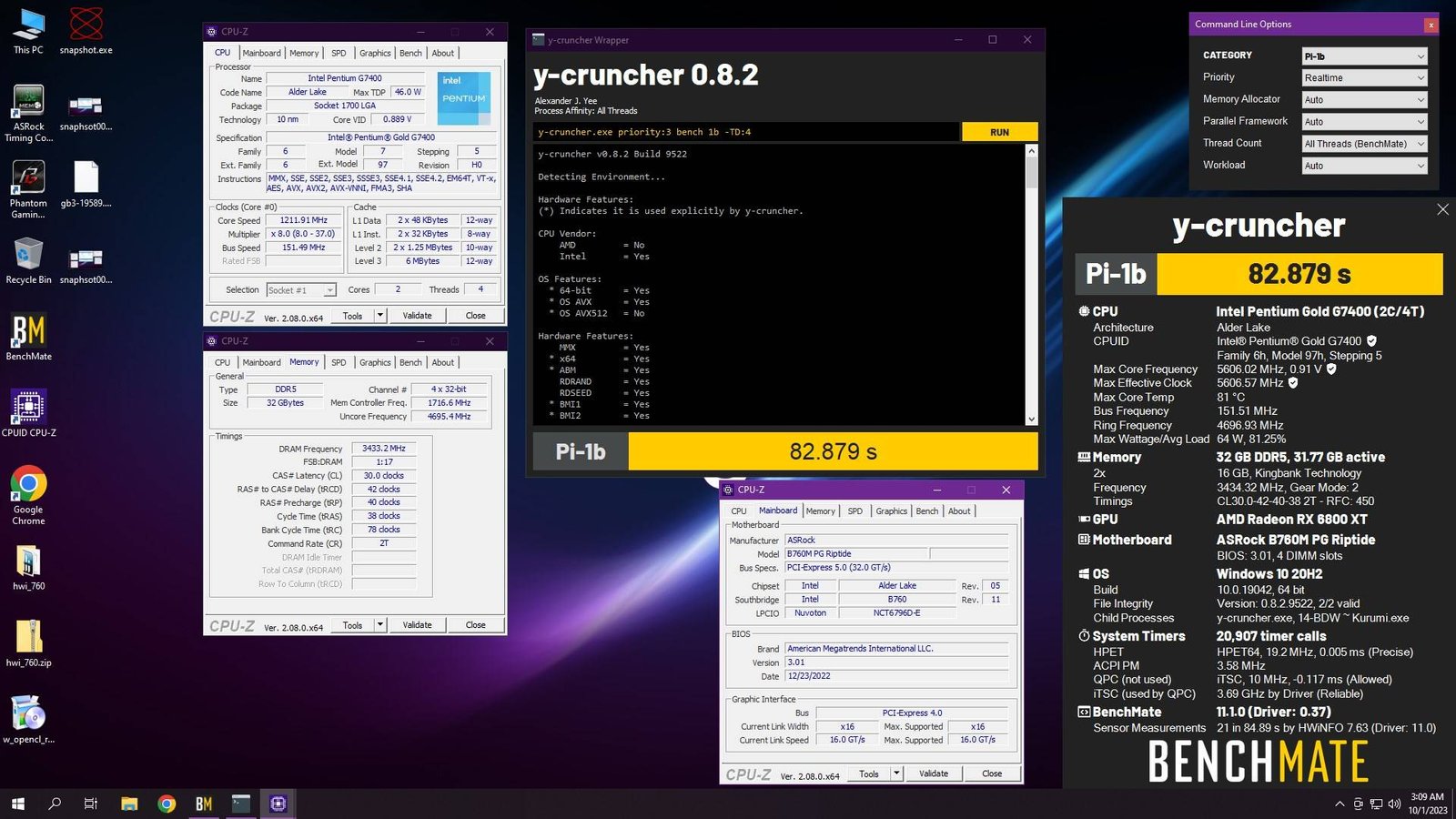
Although this is not the main focus of the article or this motherboard, we also conducted some tests in competitive benchmarks, including the use of dry ice for cooling. In this case, we specifically tested the G7400 and the i3 12100F, aiming to push these CPUs to their limits.
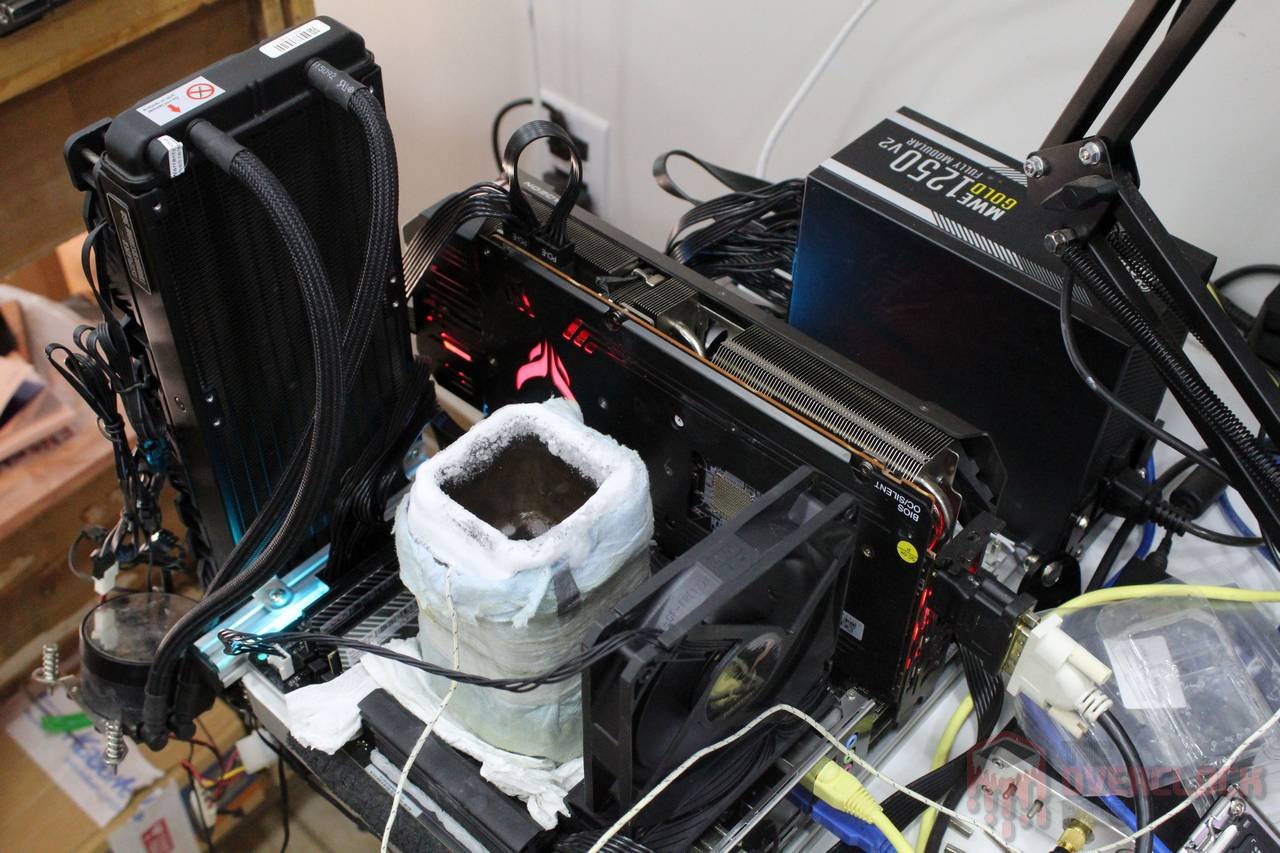
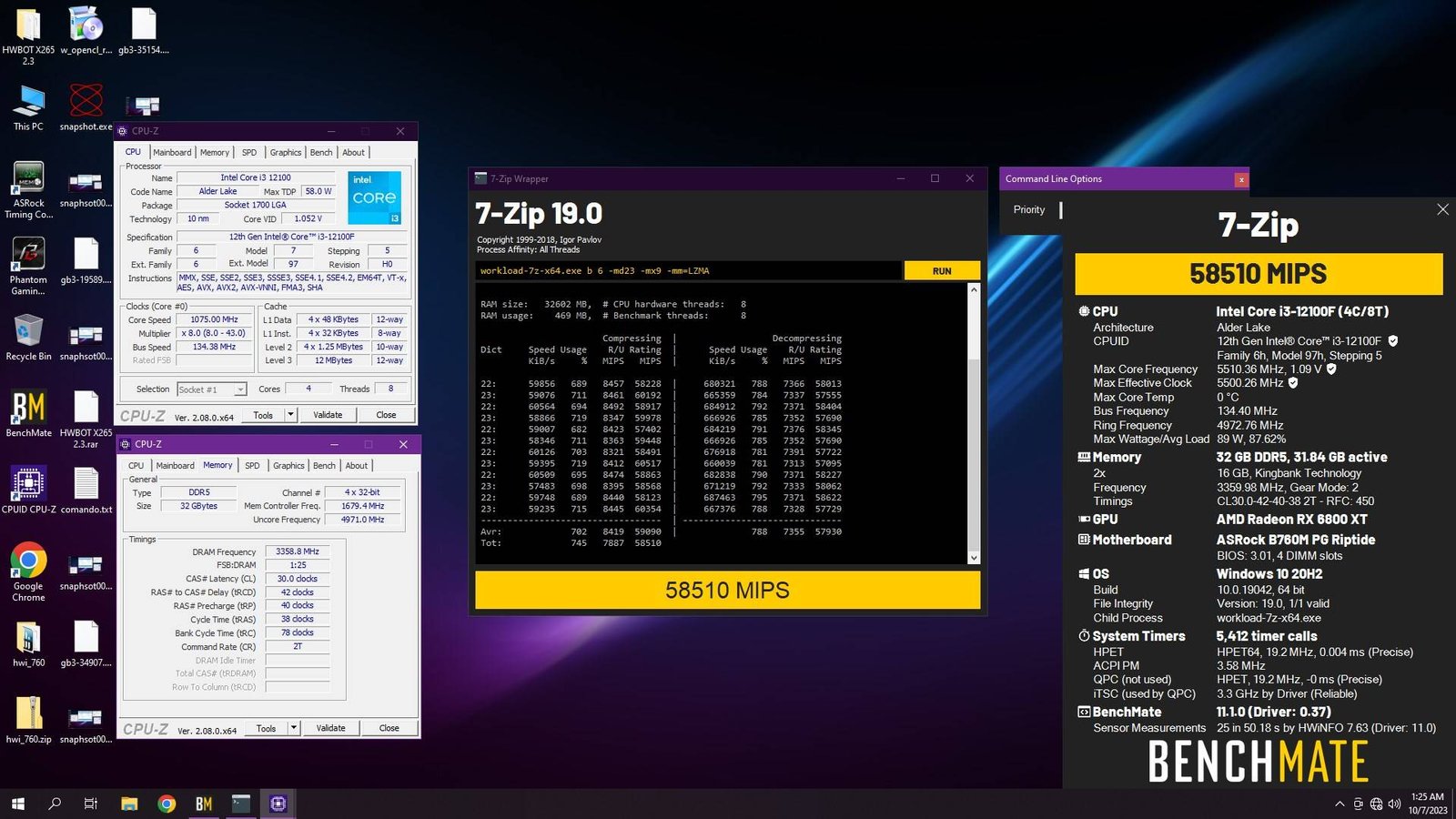
Regarding the i3 12100F, it completed the benchmarks with frequencies around 5.5 GHz for the CPU and memory at 6720 MT/s. This performance was good enough to secure a significant number of global points on HWBOT, even though it did not set any records.
It’s worth highlighting that both the CPU and the motherboard had no issues operating at temperatures around -50°C.
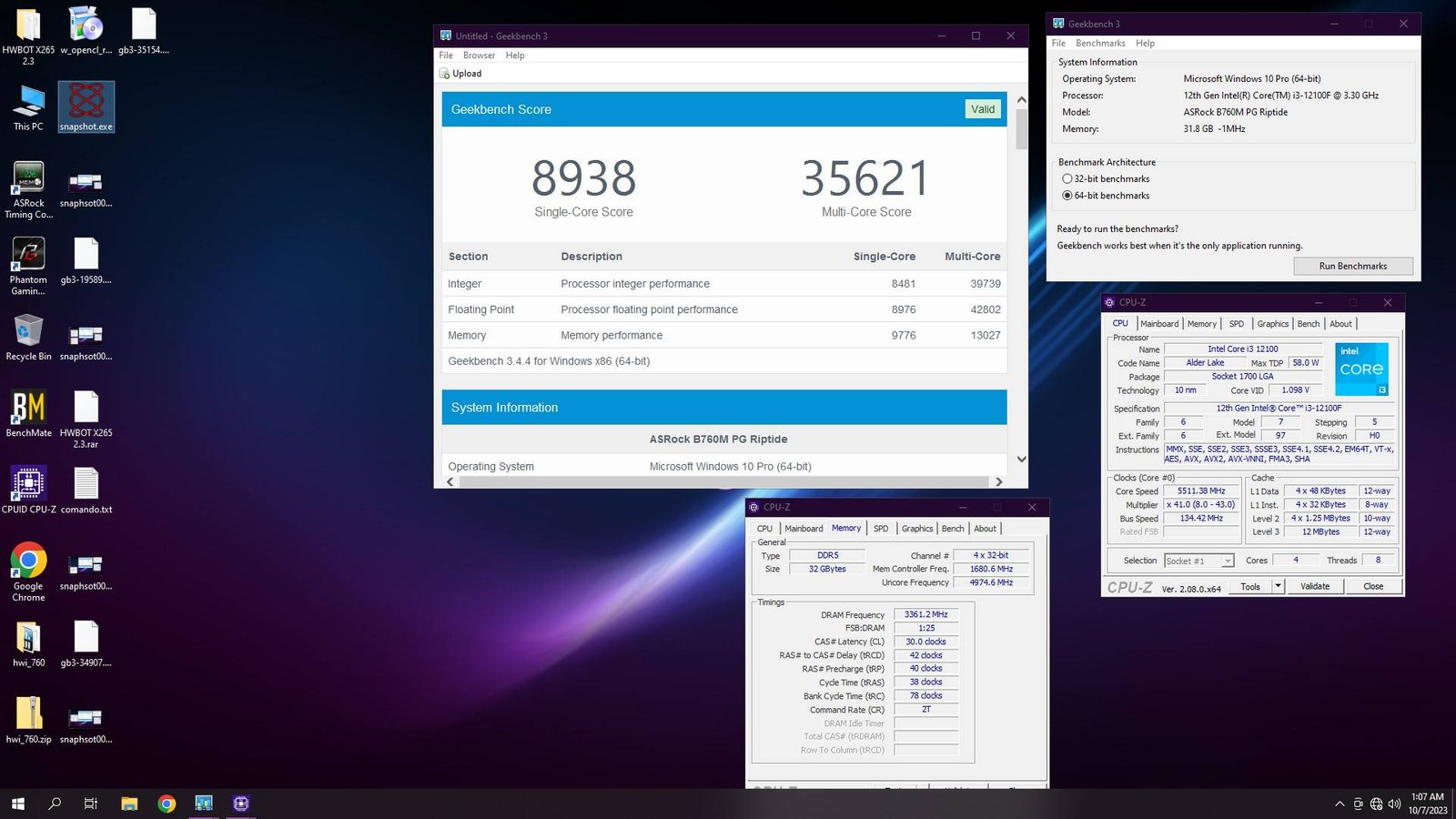
With the G7400, it was possible to complete y-cruncher with the CPU at 5.6 GHz and memory at 6866 MT/s, which is an excellent achievement for this motherboard and processor combination.
Conclusion:
From the perspective of layout, quality, and offered features, much like the B660, ASRock has done a commendable job with the B760M PG Riptide. It presents a motherboard with a decent layout and acceptable construction, including robust VRM heatsinks and a rear panel with an integrated I/O shield – a feature that saves users from the frustration of realizing they forgot the shield after assembling the entire system. Some points to note include the absence of on/off/reset buttons, debug LEDs whose readability may be obstructed by a sizable graphics card, and the second M.2 slot, which has a height limit for the NVMe heatsink and reduced airflow. Again, this is relevant if using a GPU with a cooling system of 2.5 slots or more. In essence, there’s nothing new on the front – the B760 shares exactly the same virtues and shortcomings as the B660, with an extremely similar PCB.
Concerning the provided features, it includes an M.2 slot for Wi-Fi installation, offering flexibility to users. Additionally, it features a 2.5Gb LAN and Realtek ALC897 audio, aligning well with the motherboard’s intended purpose.
Regarding the motherboard’s BIOS, it follows the same standard found in other ASRock motherboards we’ve tested before, which is great news. The manufacturer has done a decent job with the UEFI interface and usability. Concerning the available adjustments, they are sufficient for the majority of users at the daily usage level.
It’s important to note that if you’re planning to perform “non-K” overclocking on a 12th-generation CPU and don’t intend to upgrade, it may be worthwhile to test older BIOS versions. Some options have been removed in the latest versions, although the overclocking functionality remains intact.
Regarding overclocking, it was possible to surpass 150 MHz on the BCLK, achieve over 6800 MT/s on DDR5 memory, and even delve into extreme overclocking with dry ice – all notable achievements for a motherboard that wasn’t explicitly designed for such a life. It’s worth noting that the manufacturer guarantees up to 7200 MT/s on memory, which might be achievable with 13th/14th generation CPUs. Unfortunately, we don’t have the means to test this.
Concerning the VRM, the 7+1 phase arrangement with doubled components per phase, combined with the robust heatsink, resulted in a very acceptable thermal performance. The motherboard handled the 300W demands, even from the overclocked Core i9 or with “MCE ON” without current limits. In such cases, it’s advisable to resort to forced ventilation on the VRM, meaning having a fan blowing in the area.
However, if the intention is to use a slightly tamer CPU or even the i9 while adhering to factory specifications, then everything is smooth sailing. The B760M PG Riptide maintains VRM temperatures at safe levels in such scenarios.
Regarding the price, this motherboard can be found for around 129 USD, which is a very reasonable price for this model. The advantage is that this ASRock motherboard is one of the few that still supports non-K overclocking. Of course, it is also a good motherboard for those who plan to use the CPU without overclocking, making it a reasonable alternative and receiving our recommendation.


Quais seriam essas settings que permitem +150bclk?
BCLK Trimmer?