Intel UHD Graphics 770 – Exploring the Performance of Intel’s Integrated Graphics!
 by Giancarlo C. Dalmedico "NoMS" January 28, 2024 · Graphics Cards / Reviews
In this article, we will assess the performance of Intel’s integrated graphics, the UHD Graphics 770, in various modern games, while also exploring the benefits of overclocking.
A little over two years ago, we tested the UHD750 from Rocket Lake (in Portuguese), the 11th generation chips. At that time, the introduction of the Xe architecture marked a significant milestone, giving rise to Intel’s first dedicated GPUs in decades!
Despite its initial interest, the experience with the UHD750 was not very positive, marked by various issues in game execution, largely attributed to drivers at the time. Since then, significant changes have occurred, with the introduction of the Arcs and Intel’s substantial investment in software. Updates now frequently deliver performance gains of up to double digits, benefiting not only dedicated GPUs but also integrated Xe video CPUs, thanks to the unified driver package.
This time, we selected the UHD Graphics 770 as the integrated video, featured in 12th, 13th, and 14th generation K processors. It boasts 256 Shaders, 16 TMUs, and 8 ROPs. In the case of the i9 12900K, it operates at a standard frequency of 1550 MHz and has a TDP of 15W.
Hardware used:
CPU: Core i9 12900K
MOBO: ASRock B760M PG Riptide
RAM: 2x16GB Kingston Fury Renegade 8000 CL38 (Hynix A-Die) – Thank you Kingston!
GPU: Intel Graphics UHD770
PSU: Coolermaster MWE 1250 Gold V2 – Thank you Cooler Master!
COOLER: 1STPlayer TS-360
STORAGE: SSD Netac 240 GB + SSD Kingston A400 960 GB
Testing purpose:
We’ll examine the user experience of the Intel Graphics UHD770 integrated video, evaluating its performance in both stock and overclocked settings. Further details are outlined in the following texts.
Experience:
Compared to the previous experience with the UHD750, it’s safe to say that the situation has undergone a remarkable transformation! The first notable improvement is the control panel, now the Arc Control, a clear evolution from the old Command Center in terms of both interface and usability, as well as the available options.
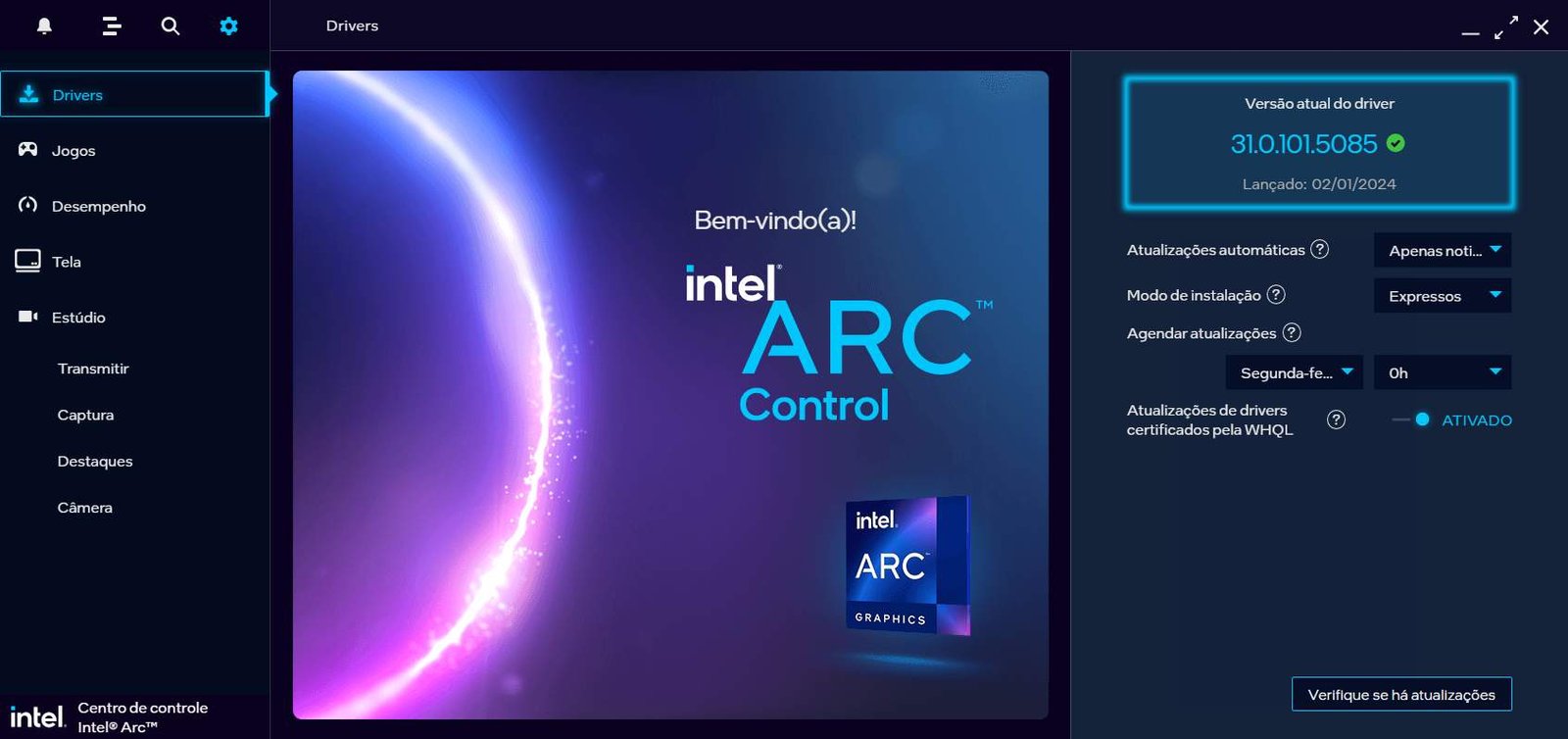




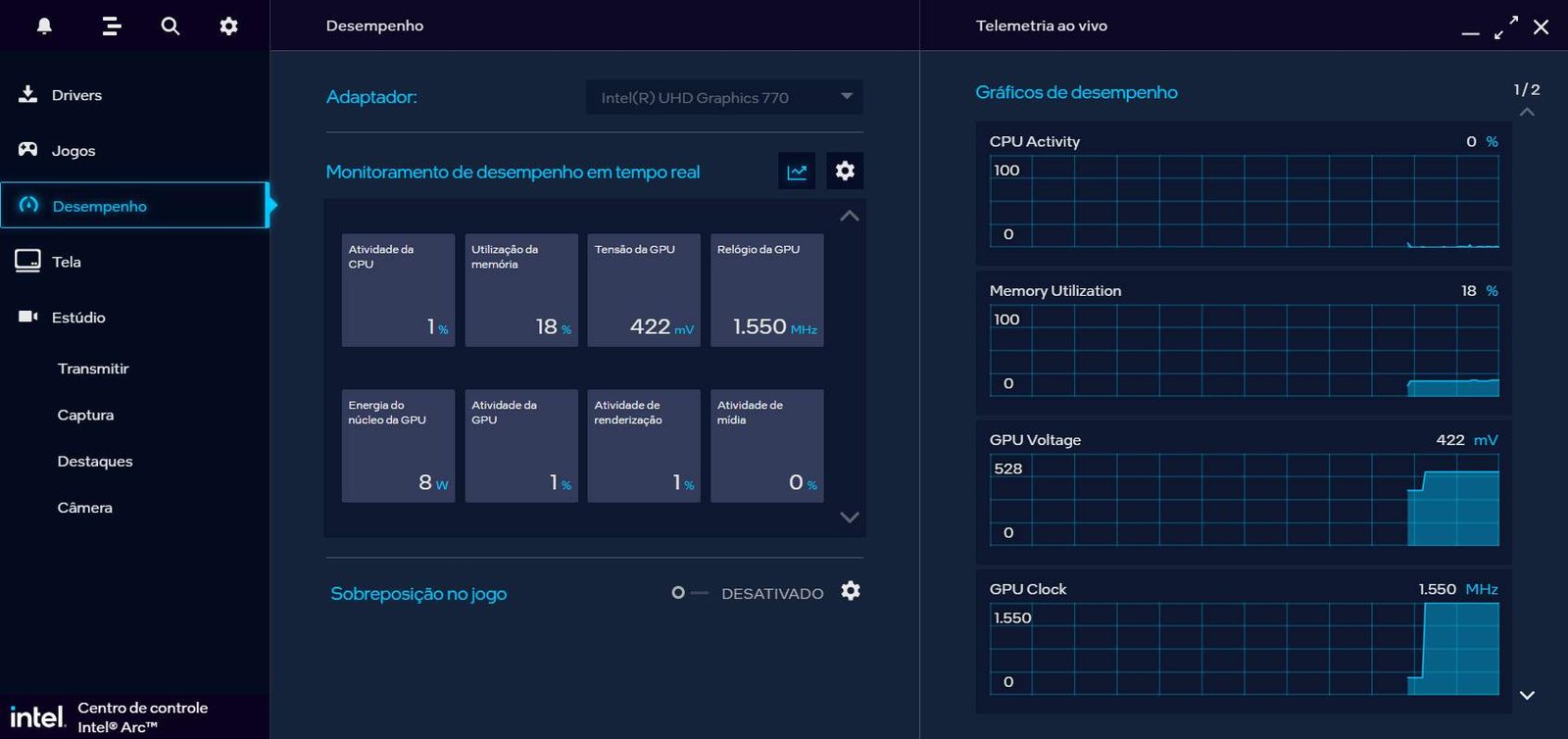
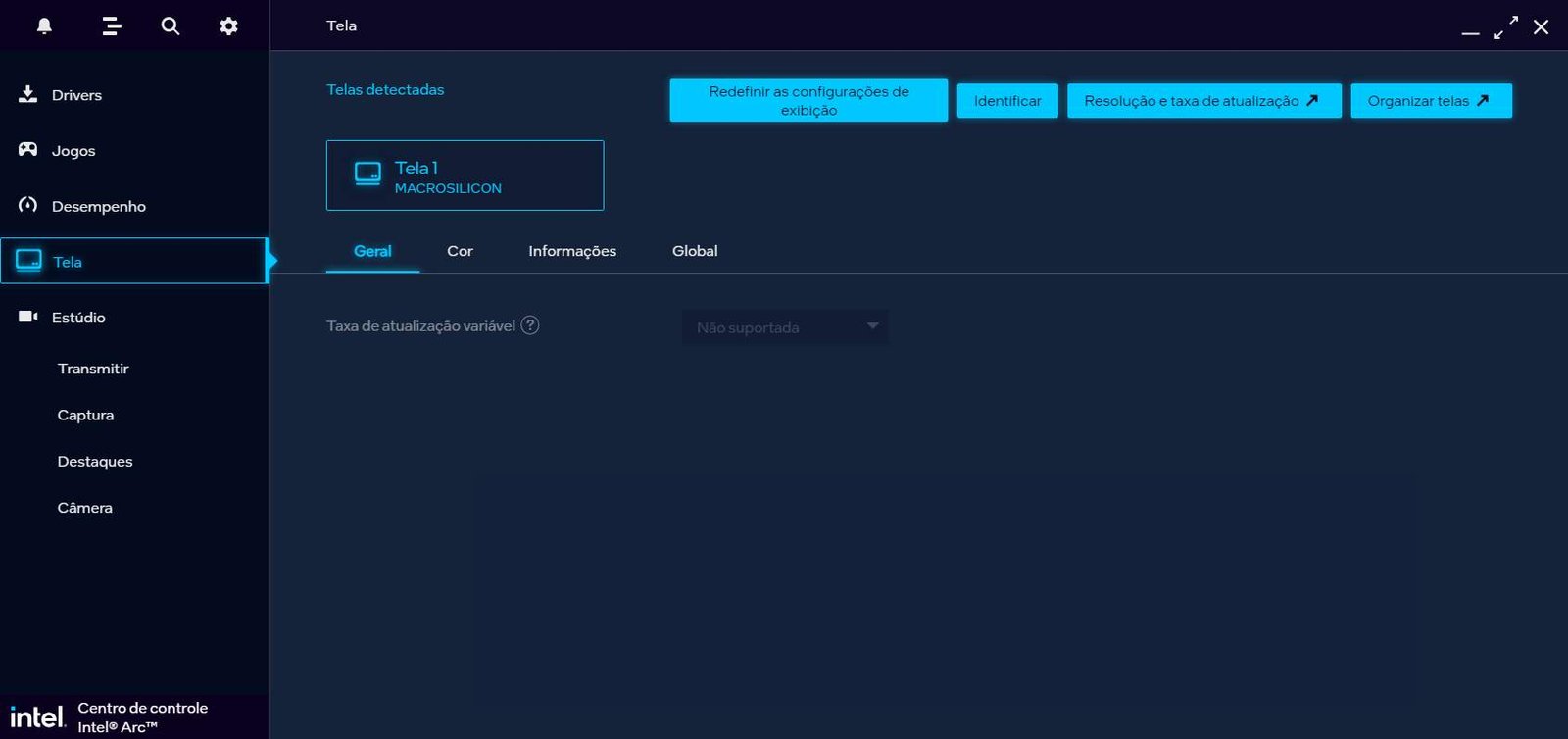
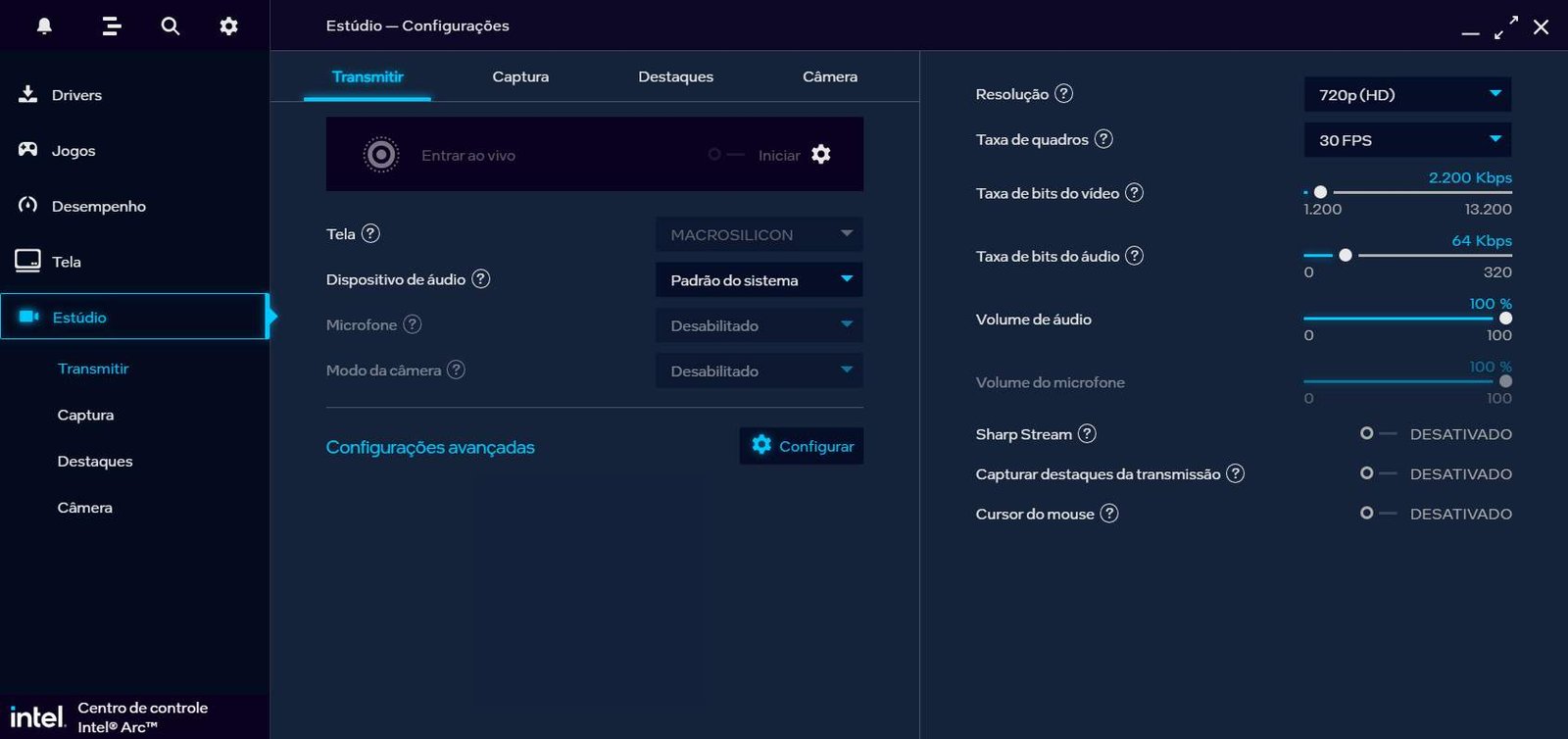
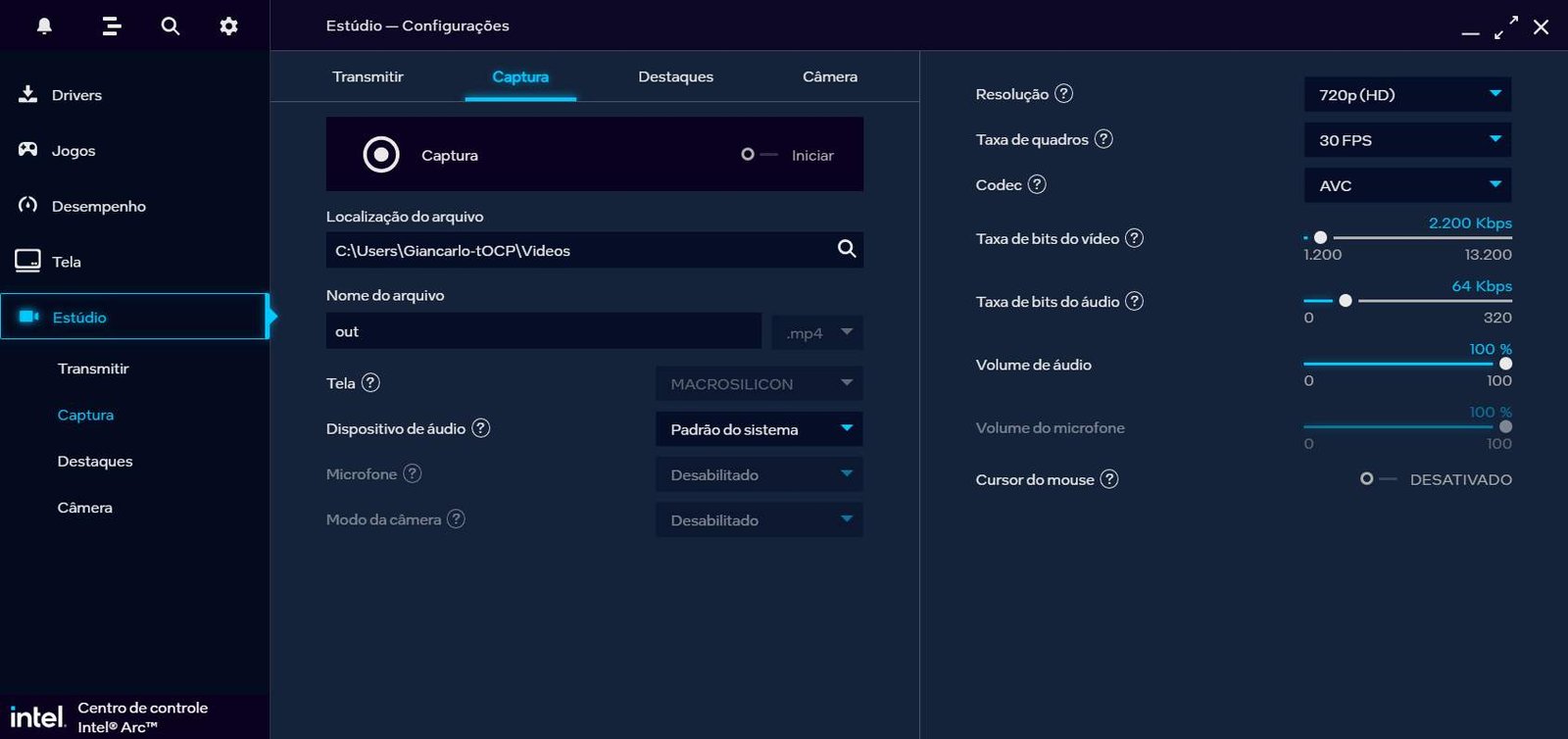
However, the significant difference lies in the quality of delivery, with stability issues, frametime problems, and artifacts becoming a thing of the past. Things now run smoothly in the tested games, including Shadow of the Tomb Raider, where artifacts were observed in DX12 during the UHD750 tests.
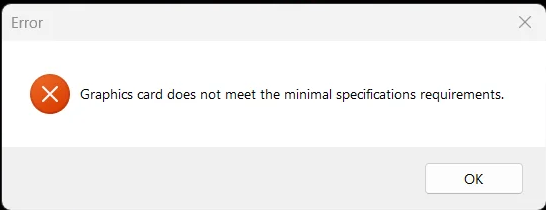
The only game that refused to run was Starfield, displaying a message stating that the graphics card did not meet the minimum requirements. Upon searching the internet for a solution, numerous other users were found reporting the same error, including some with AMD and NVIDIA GPUs. Given this, in this case, we’ll give Intel the benefit of the doubt.
Similar to the UHD750 and AMD’s iGPUs, overclocking is also possible with the UHD770, and fortunately, you don’t need a “Z” chipset for this. This functionality is already available on “B” boards, such as the ASRock B760M PG Riptide used in this article.
Overclocking the UHD770 is relatively straightforward, requiring an increase in the integrated GPU’s power limit, selection of its multiplier (GT Frequency), and, if necessary, voltage adjustment (CPU GT Voltage). It’s important to note that the maximum multiplier is 21x (2100), and the reference is the bclk. In other words, if the bclk goes up, the integrated video frequency increases accordingly.
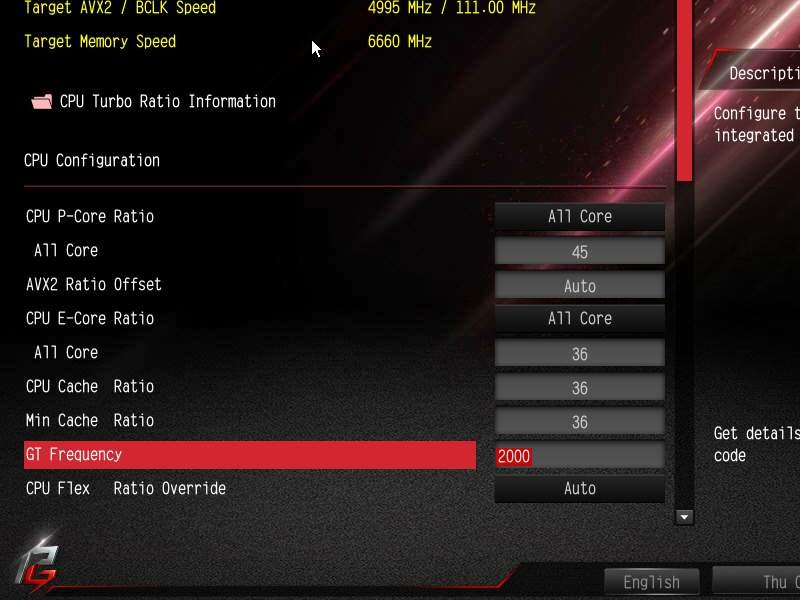

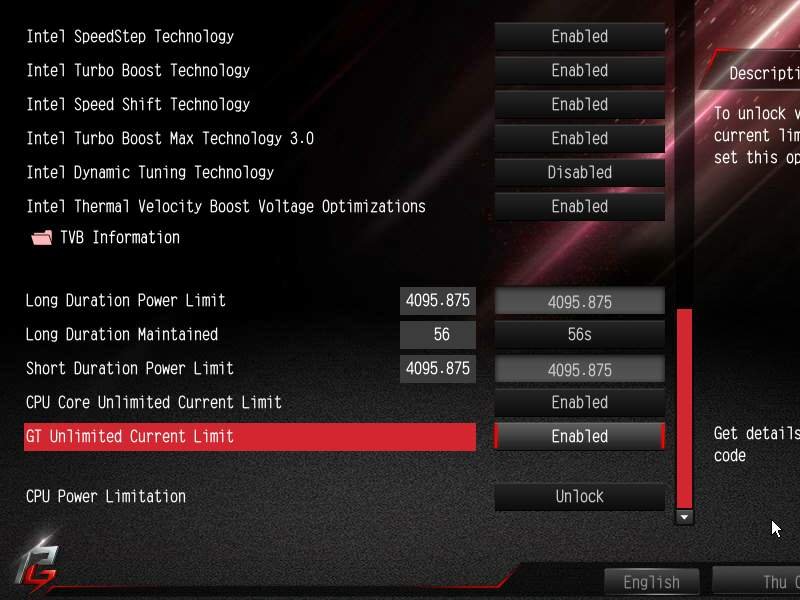
With that said, it was possible to reach 2219 MHz on the iGPU with the voltage fixed at 1.35V, which seems reasonable. However, there are reports of 13th generation units reaching up to 2500 MHz.
Benchmarks:
Regarding benchmarks, Cyberpunk 2077, Horizon: Zero Dawn, Shadow of the Tomb Raider (SOTTR), and 3DMark Time Spy were selected – encompassing both a synthetic benchmark and three games with support for the latest technologies.
- In Cyberpunk 2077, the latest version of the game was used, running at 720p/1080p with the “Low” preset. When activated, FSR 2.1 was set to “Balanced.” The benchmark tool included with the game and CapframeX were employed to record the log with the results.
- Horizon: Zero Dawn was tested at 720p/1080p with the “Ultimate Performance” preset and FSR set to “Balanced” and “Performance.” The benchmark tool provided with the game and CapframeX were used to record the log with the results.
- For Shadow of the Tomb Raider (SOTTR), the included benchmark tool was utilized at 720p/1080p with the “Low” preset, TAA, and XeSS set to “Performance” when activated.
For the overclocking tests, the i9 12900K was operating at 2219 MHz on the iGPU with a fixed voltage of 1.35V. The BCLK was set at 111 MHz, P-Cores @ 5 GHz, E-Cores @ 4 GHz, Uncore @ 4 GHz, and DDR5 memory @ 6660 MT/s CL32 with manually adjusted sub-timings.
For the stock tests, MCE was deactivated, memory was set to DDR5-4800 CL40 (Jedec), and the iGPU was running at 1550 MHz, adhering to the CPU specifications.
3DMark Time Spy:
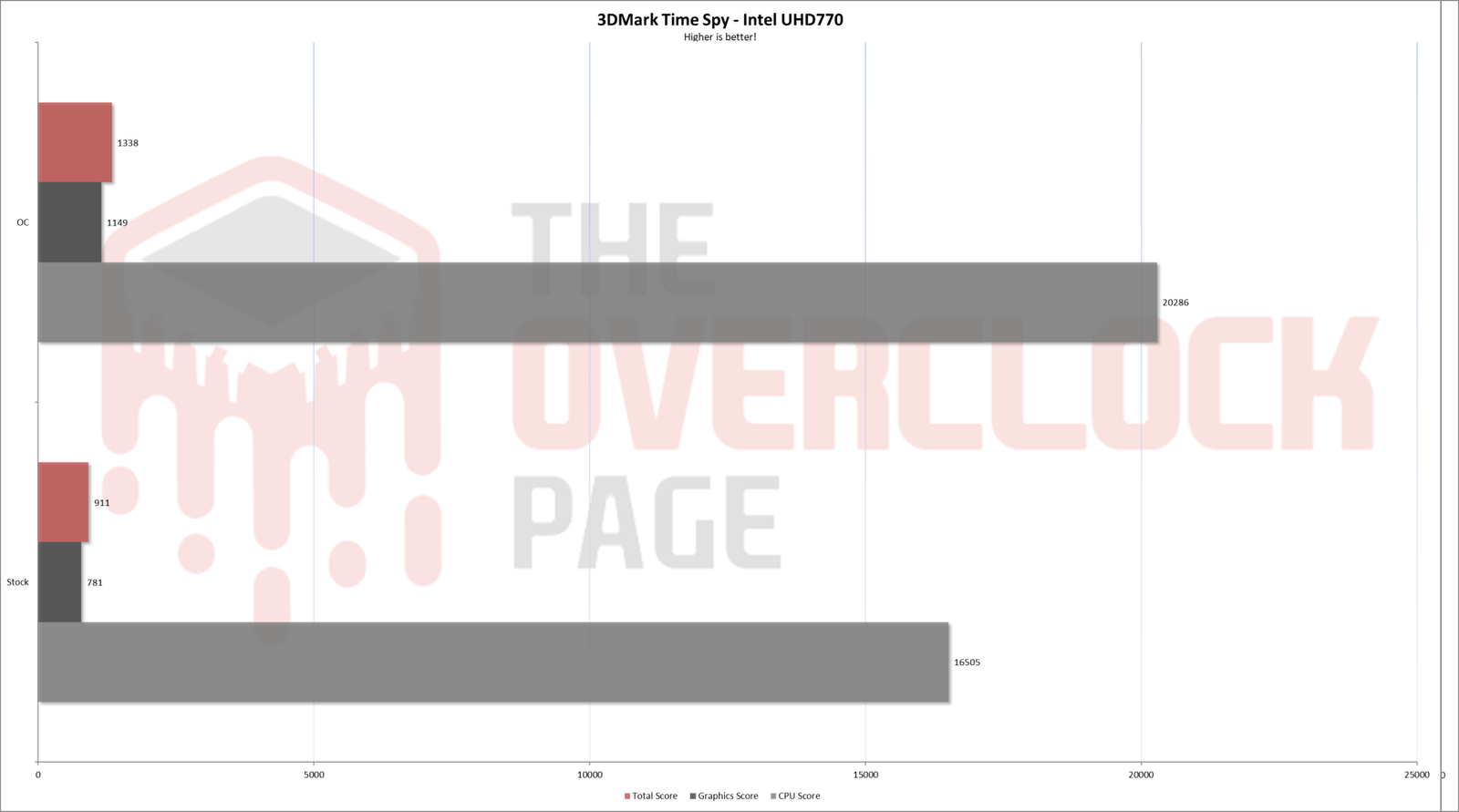
In 3DMark Time Spy, the UHD770 at stock settings showed a GPU Score remarkably similar to that of a Vega 6 with DDR4-3200, which is the integrated graphics used in APUs like Ryzen 5 5350G and Ryzen 3 5300U. However, with overclocking, there was an increase of just over 47%, which is a significant improvement.
Gaming 720p:
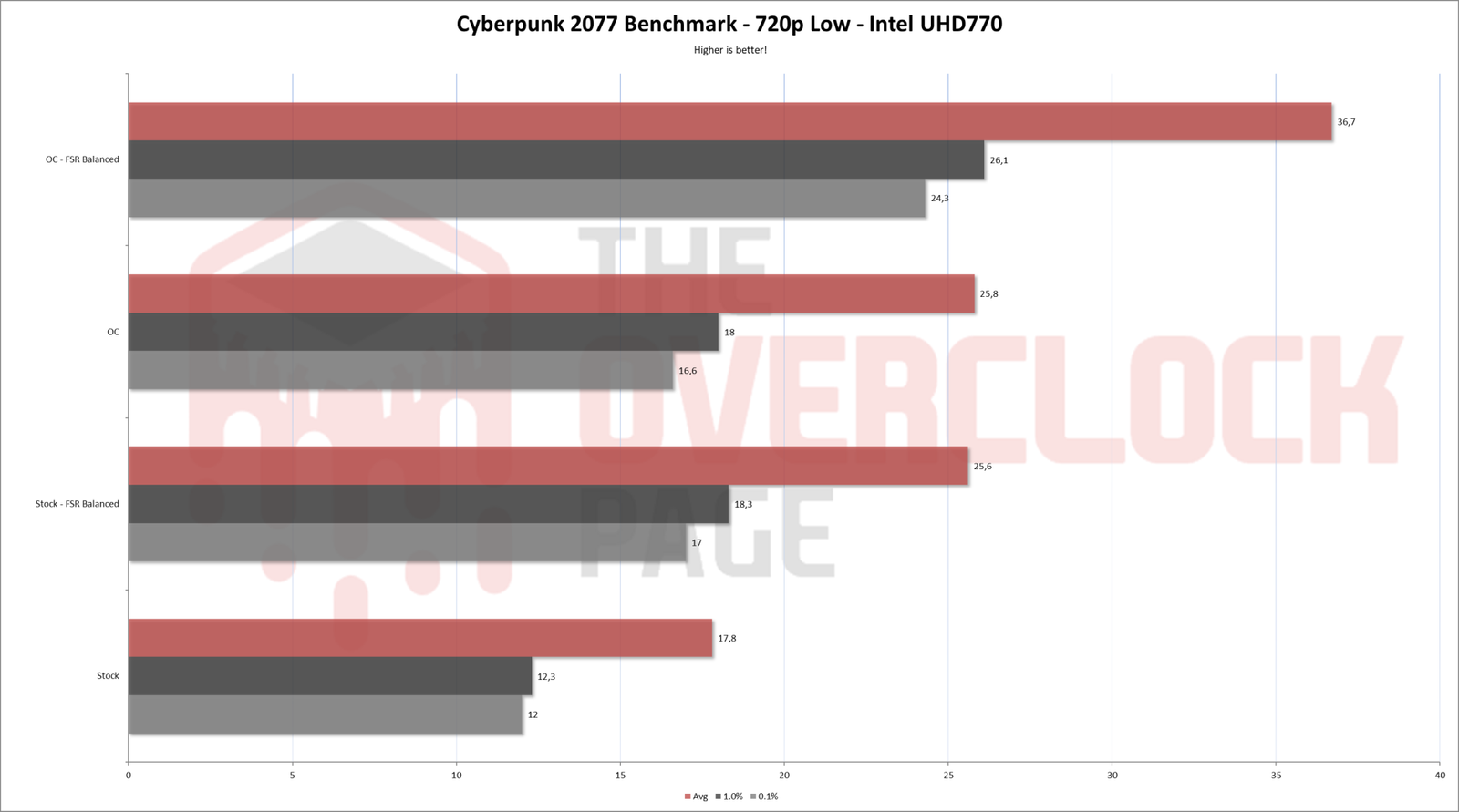
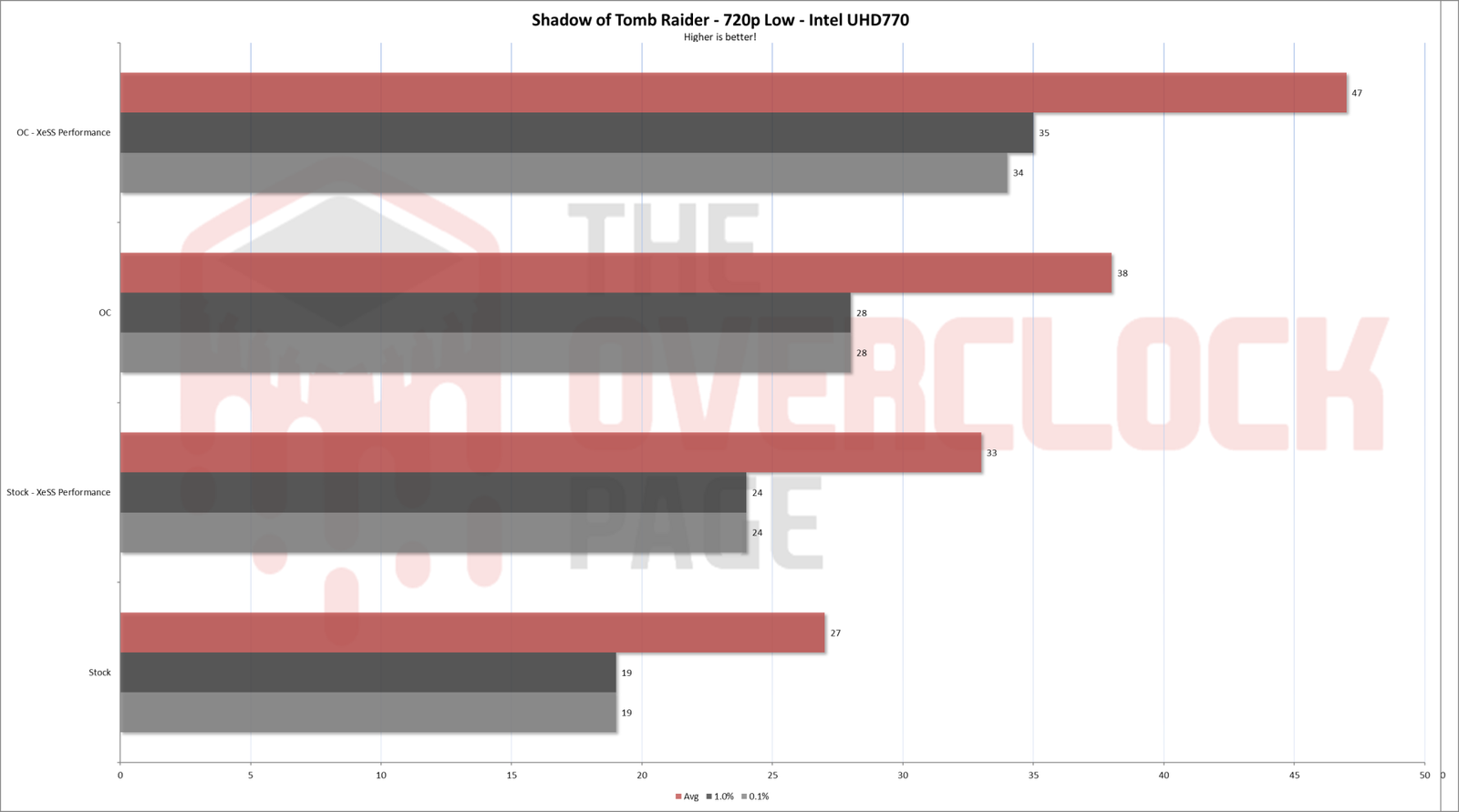
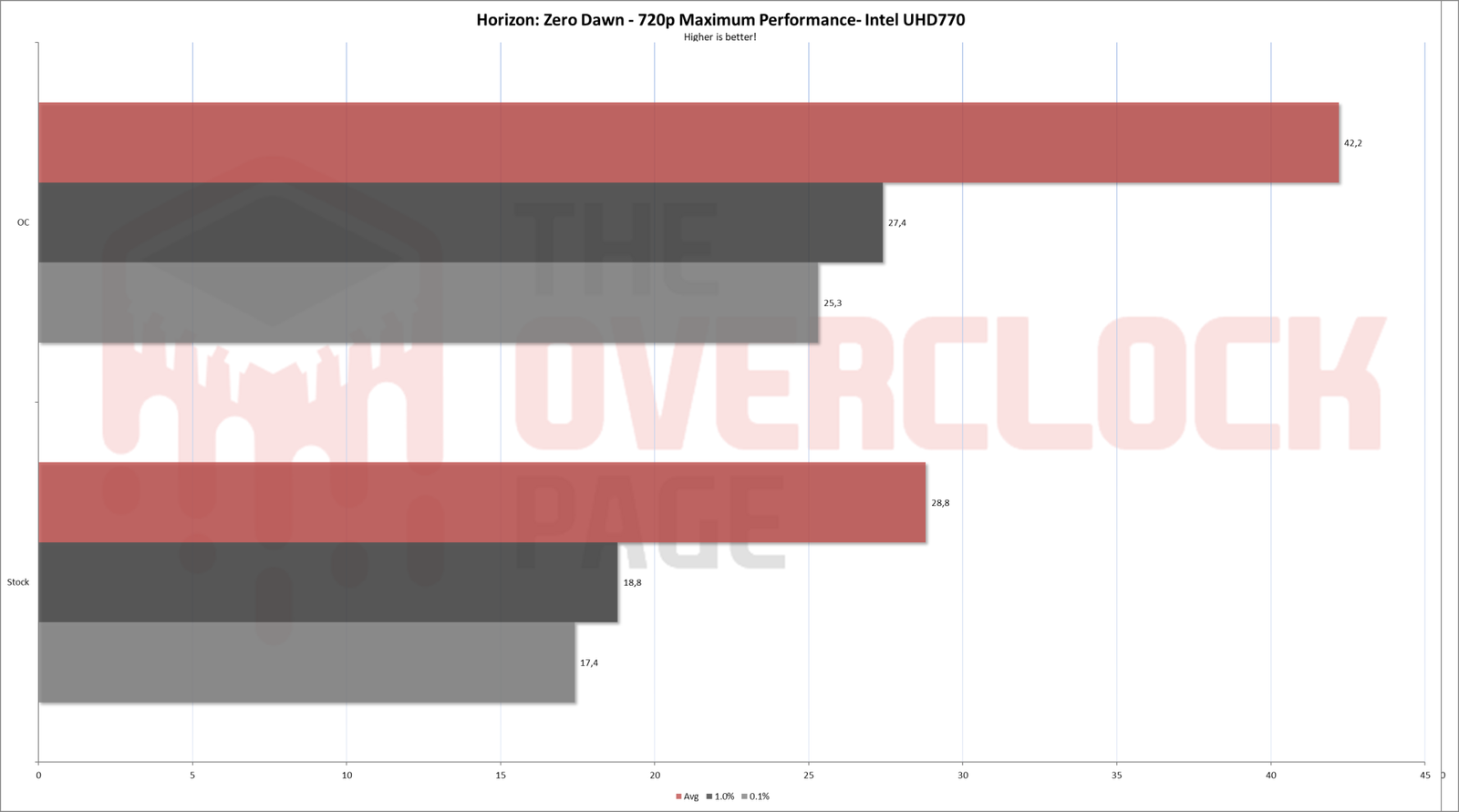
In a small GPU like this, upscaling technologies such as FSR and XeSS proved to be a game-changer, making playable what would typically be challenging, albeit at the cost of image quality.
Translating this into numbers, FSR brought a gain of over 40% in metrics, making even a demanding game like Cyberpunk 2077 reasonably playable, of course, after overclocking. This was also observed in Shadow of the Tomb Raider (SOTTR), where XeSS yielded less than FSR, around 25%, but still sufficient to make it playable.
Gaming 1080p:
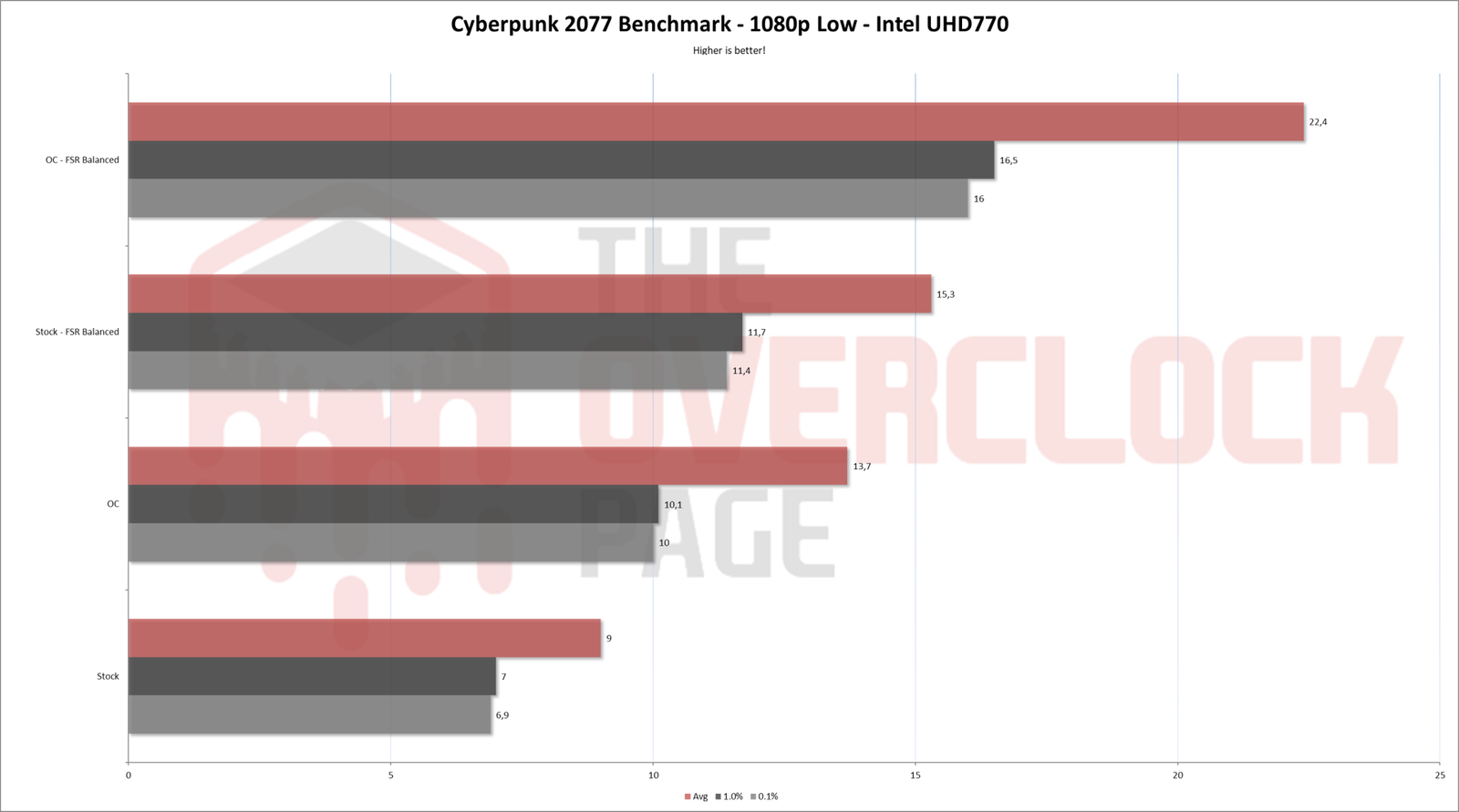
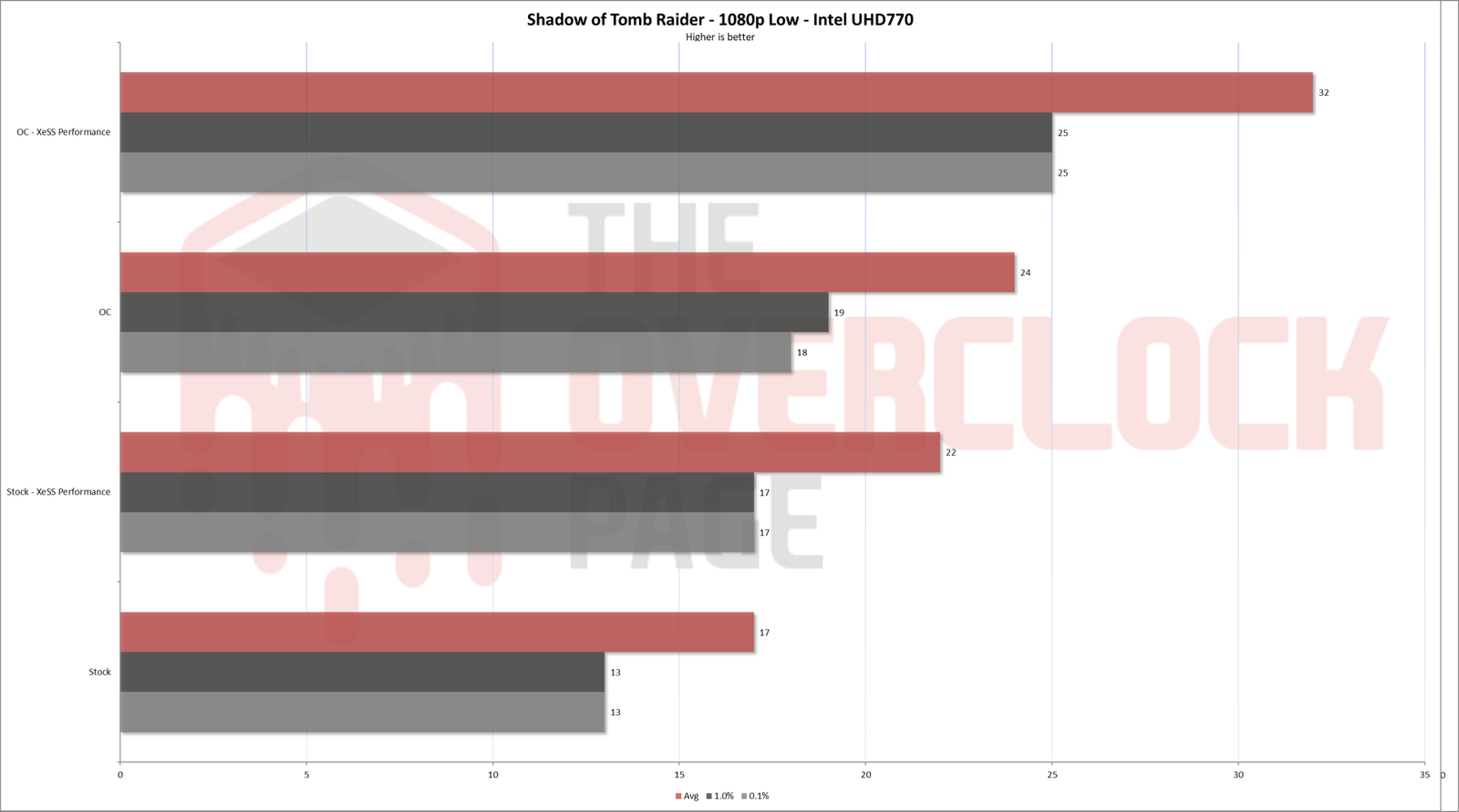
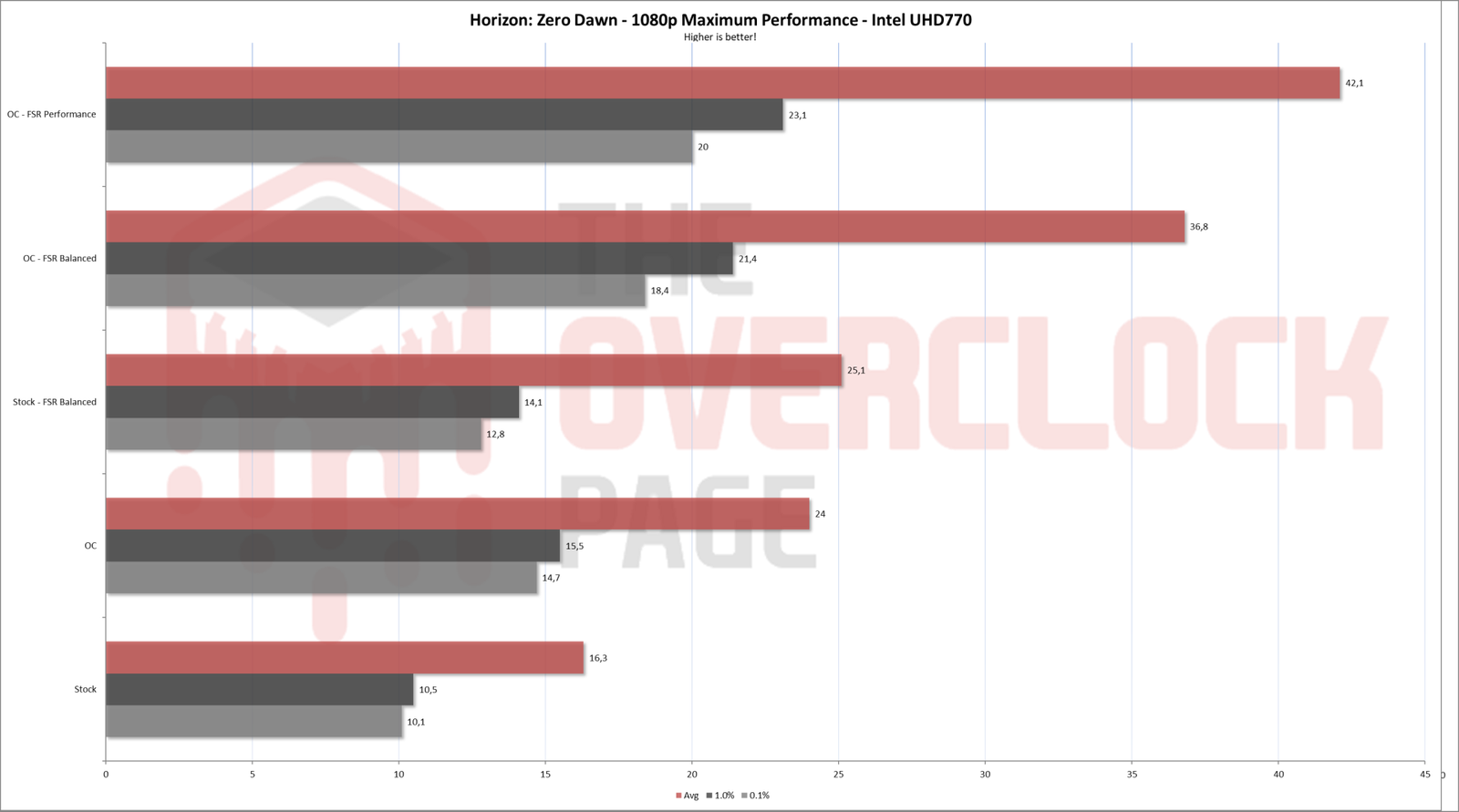
As expected, at 1080p, things didn’t fare too well for the UHD770, even with overclocking and FSR/XeSS, experiencing challenges in all three games. It’s interesting to note that FSR in “Performance” mode eked out a bit more performance, with gains ranging from 8 to 14% compared to “Balanced” in Zero Dawn.
Conclusion:
Regarding driver quality and functionality, Intel’s efforts with its dedicated GPUs have had a positive impact on integrated graphics as well. Since it uses the same driver package, improvements made for Intel Arc GPUs carry over here. For instance, the new Arc Control Center, bug fixes, and game optimizations provide a vastly superior experience compared to the UHD750 in our test two years ago. There are no bugs, artifacts, or graphic glitches, with only Starfield displaying an error message, which may not necessarily be Intel’s fault.
Regarding performance, as expected from its specifications, it is quite modest but sufficient for eSports games and older titles. Upscaling technologies like FSR and XeSS had a significant impact on performance, showing gains ranging from 25% to almost 50%. Combined with overclocking, which itself brought a 40% performance boost, the UHD770 received a considerable boost, making some AAA titles playable, albeit with obvious compromises in graphic quality.